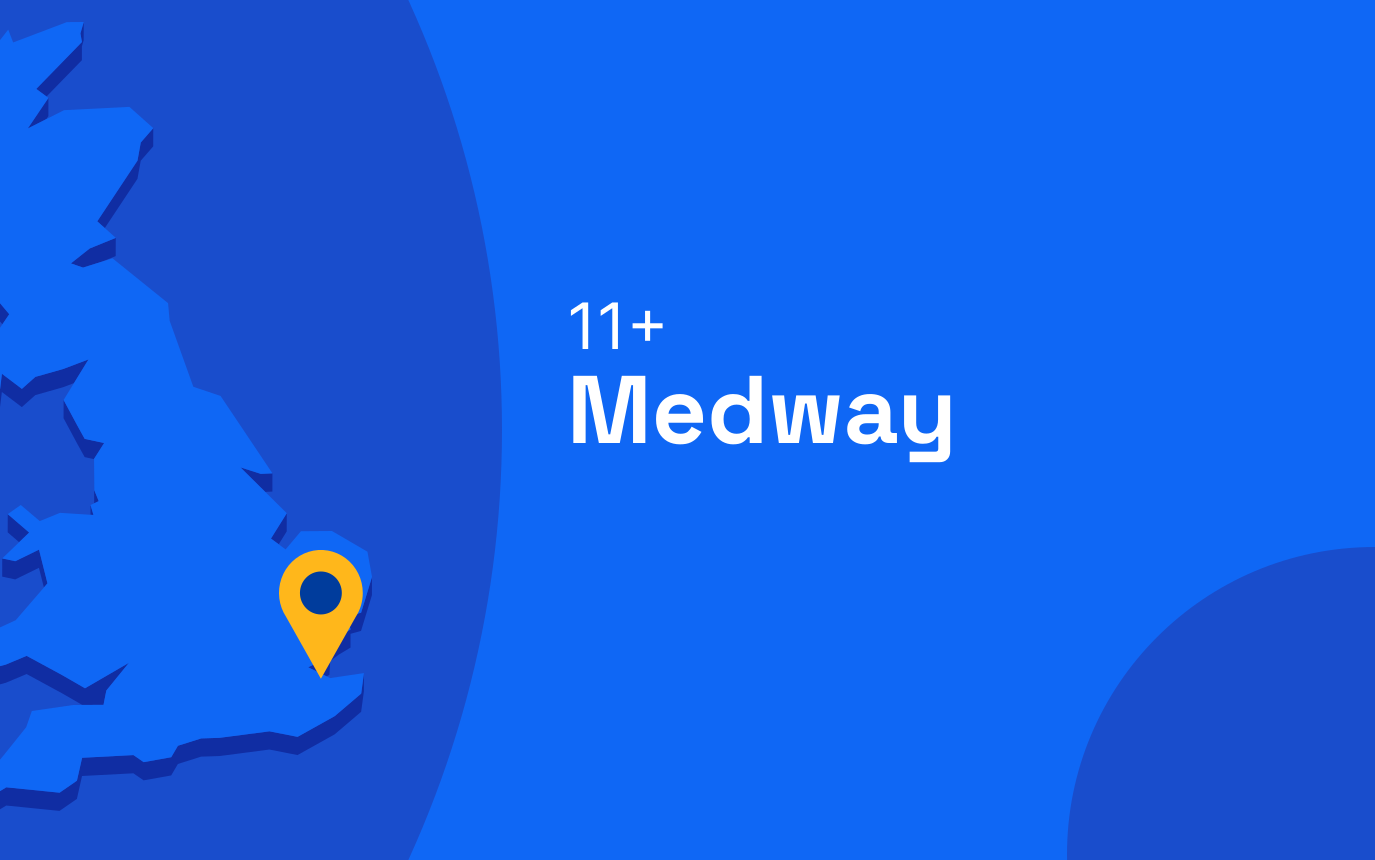
Are you considering a grammar school in Medway for your child? We’ve collated everything you need to know about admissions in 2025–2026. Keep reading to:
- Find out more about grammar schools in Medway
- Learn about the Medway Test – the local 11 plus exam
- Discover which subjects your child will be tested on
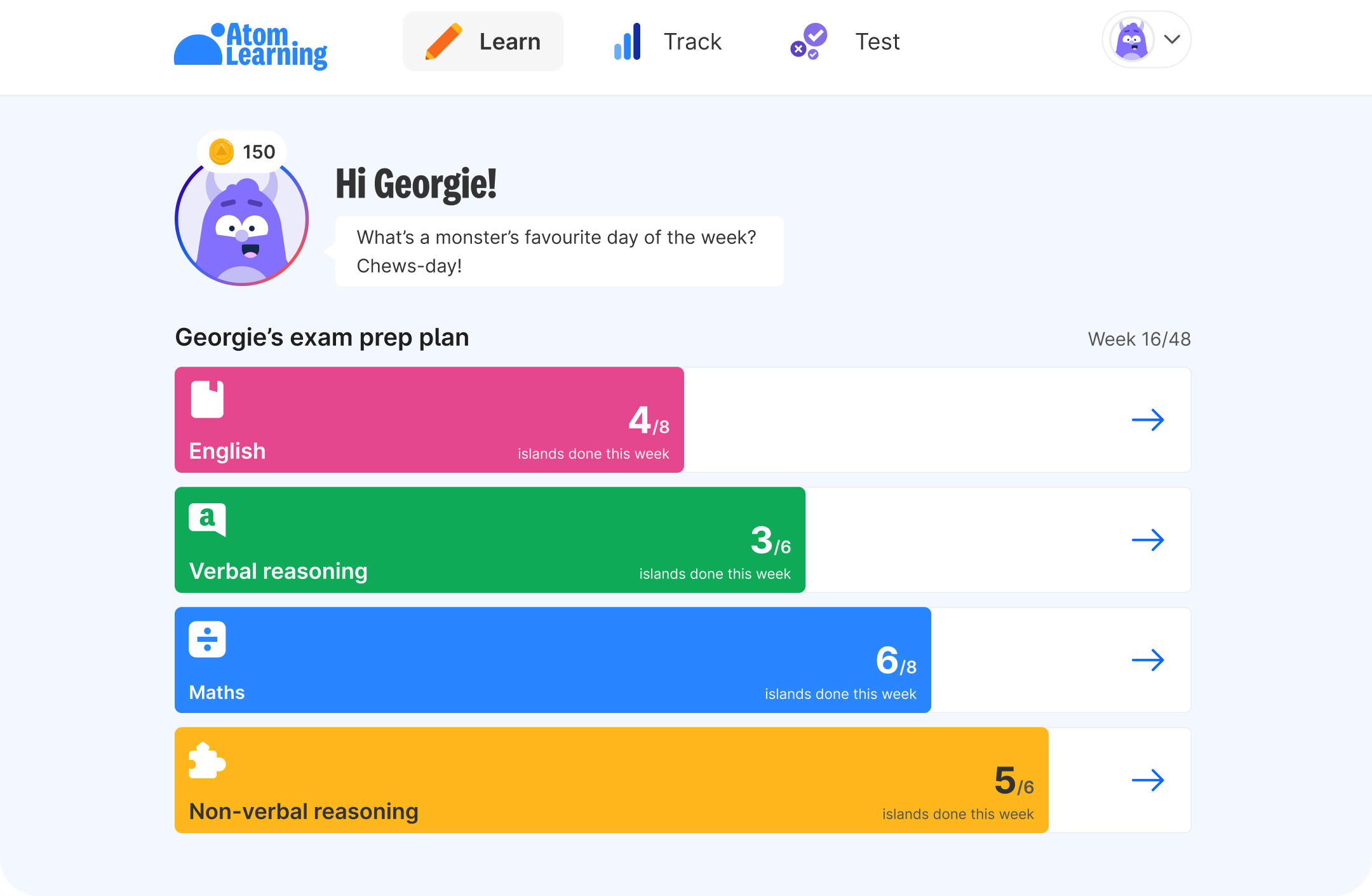
- Plus, get exclusive resources to help your child prepare!
Which schools use the Medway Test?
- Chatham Grammar School
- Fort Pitt Grammar School
- Holcombe Grammar School
- Rainham Mark Grammar School
- Rochester Grammar School
- Sir Joseph Williamson’s Mathematical School
Chatham Grammar School, Fort Pitt Grammar School and Holcombe Grammar School are currently single-sex (boys and girls only). However, they will be fully co-educational from September 2026. This means boys and girls can apply to these schools in autumn 2025 for 2026 entry.
Dates for your diary
- Monday 19th May 2025: Medway Test registration opens
- Friday 13th June 2025: Medway Test registration closes
- Tuesday 16th – Wednesday 17th September 2025: Medway Test takes place for children who attend primary schools in Medway
- Saturday 20th – Sunday 21st September 2025: Medway Test takes place for children who do not attend Medway primary schools
- Wednesday 15th October 2025:* Medway Test results are released to parents
- Friday 31st October 2025: national deadline to apply for school places
- Monday 2nd March 2026: national school offers day
Dates can vary, so always check with your target schools!
What is the Medway Test?
The Medway Test is an 11 plus exam used by grammar schools in the Medway area of Kent. All six grammar schools within the Medway Council authority area use the Medway Test. This means that your child will only need to take the test once, regardless of how many grammar schools in Medway they're applying to.
The Medway Test takes place in September in Year 6. If your child goes to a Medway primary school, they will likely take the test at their own school on a school day. Alternatively, your child will be allocated a test centre, which will be a local school in Medway, and they will take the exam at the weekend.
Note that if your child is applying for a grammar school within the Kent authority area, Bexley or Bromley, they will take a separate exam. Find out more information about these exams:
What's on the Medway Test?
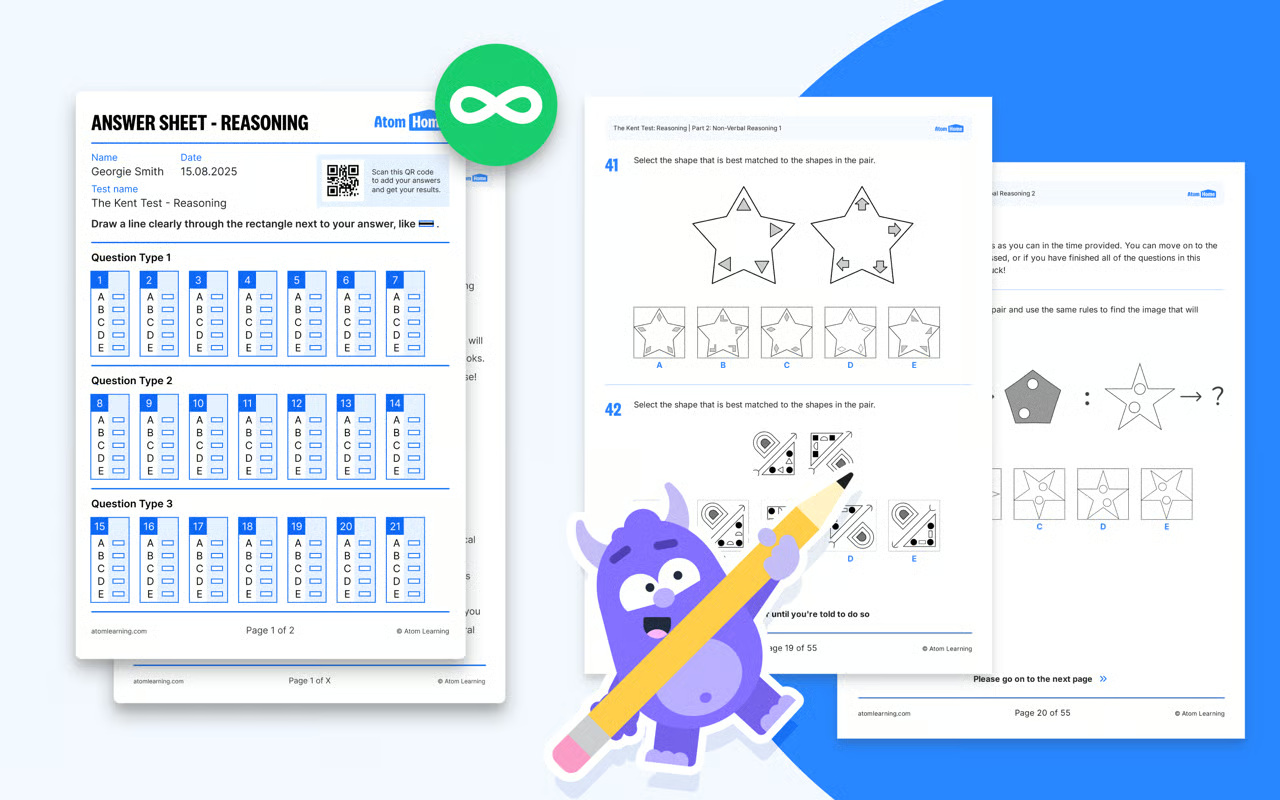
The Medway Test consists of three papers.
English
11 plus English exams assess the knowledge and skills children have learnt following the Key Stage 2 national curriculum. Most 11 plus exams include a reading comprehension exercise, where children need to show their understanding of a passage of text. Many tests also include questions which assess vocabulary, spelling, punctuation and grammar.
Children who read regularly and widely tend to perform well in 11 plus English exams. Engaging with a wide range of reading material helps improve skills in analysis, vocabulary, inference, comprehension, and imagination.
Maths
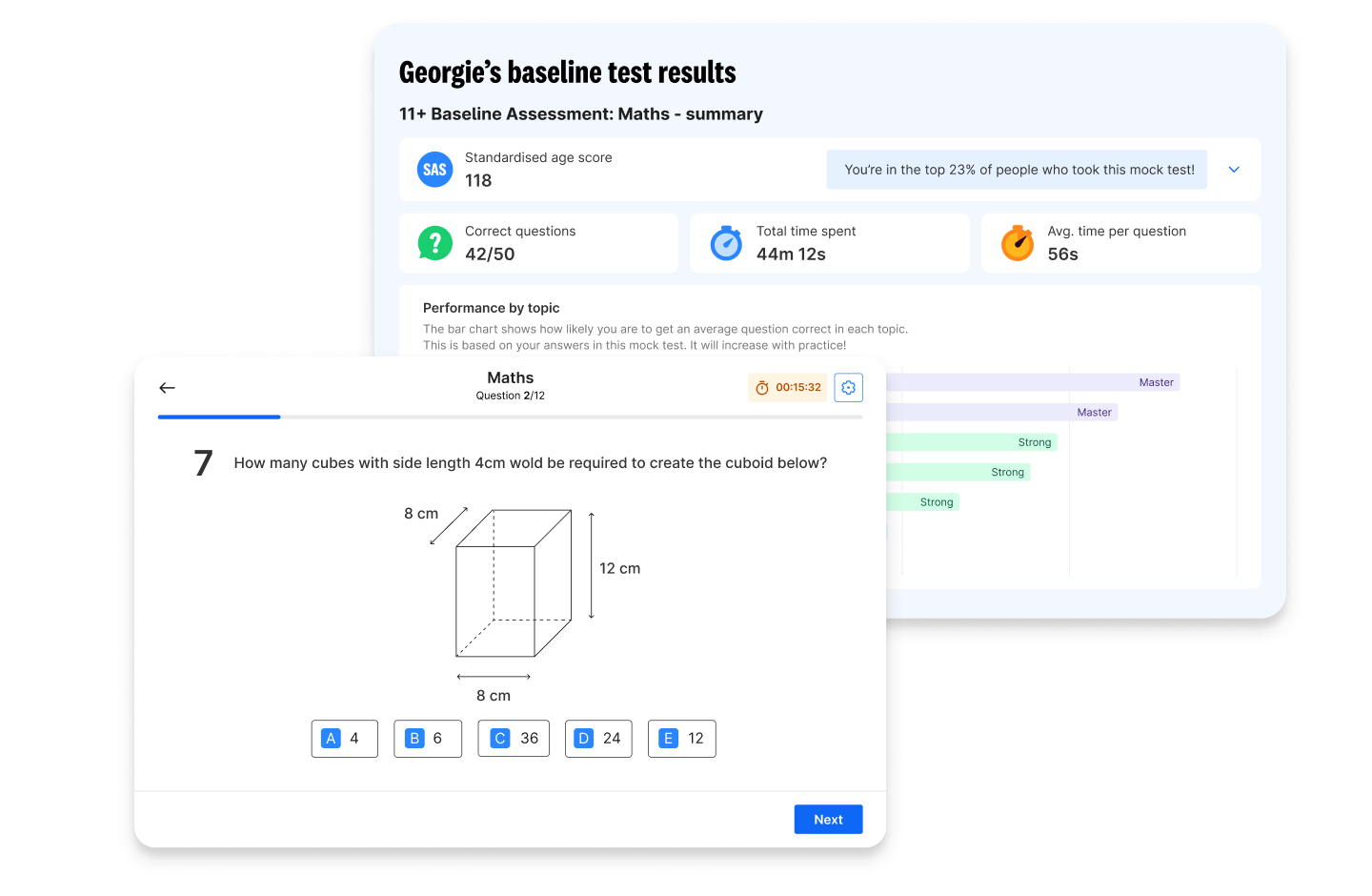
11 plus maths exams test the content your child will have learned in their Key Stage 2 maths lessons. Your child should be comfortable with their times tables, and have an age-appropriate knowledge of:
- the four operations (addition, subtraction, multiplication and division)
- fractions and decimals
- percentages and ratio
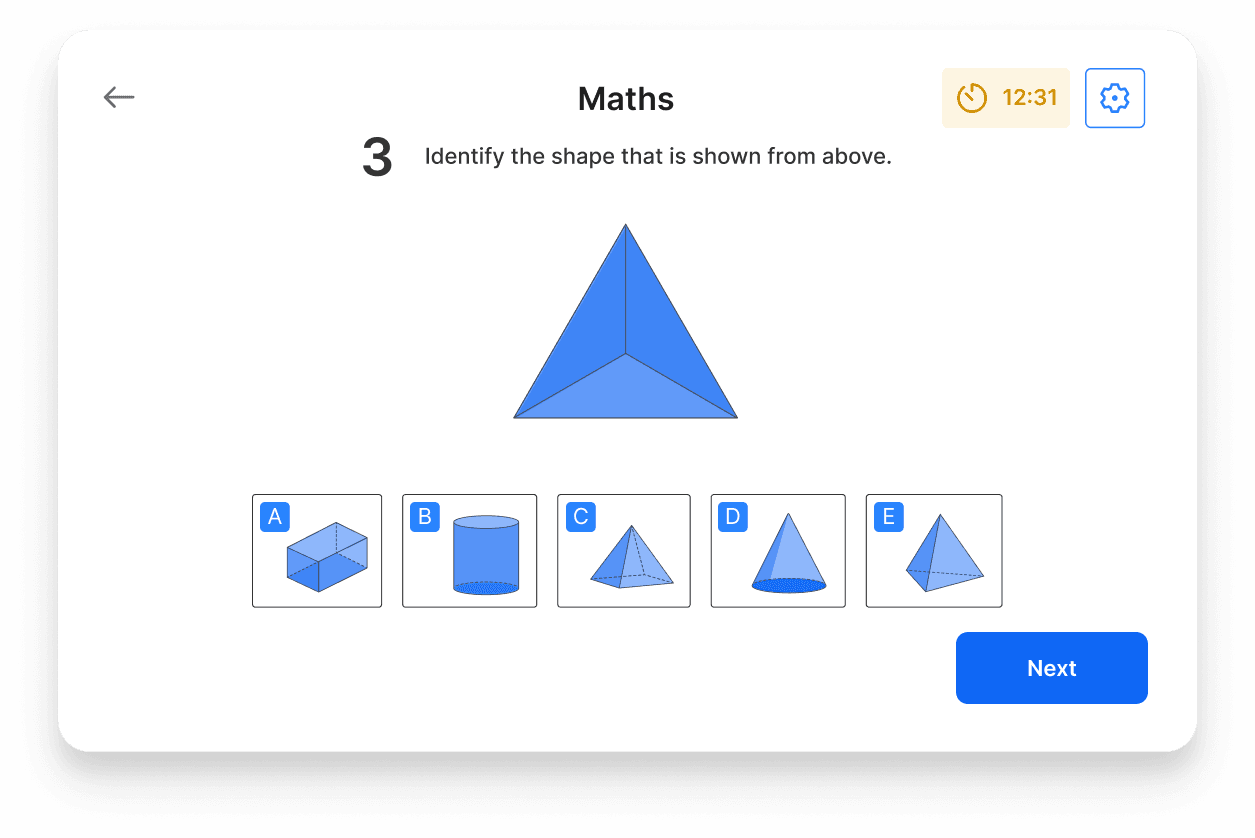
- geometry, including area, perimeter and measurements
The questions might be more difficult than your child is used to. This is so that they can demonstrate the skills they have already learned to solve different kinds of problems.
Reasoning
Reasoning is usually divided into two different types: verbal reasoning and non-verbal reasoning.
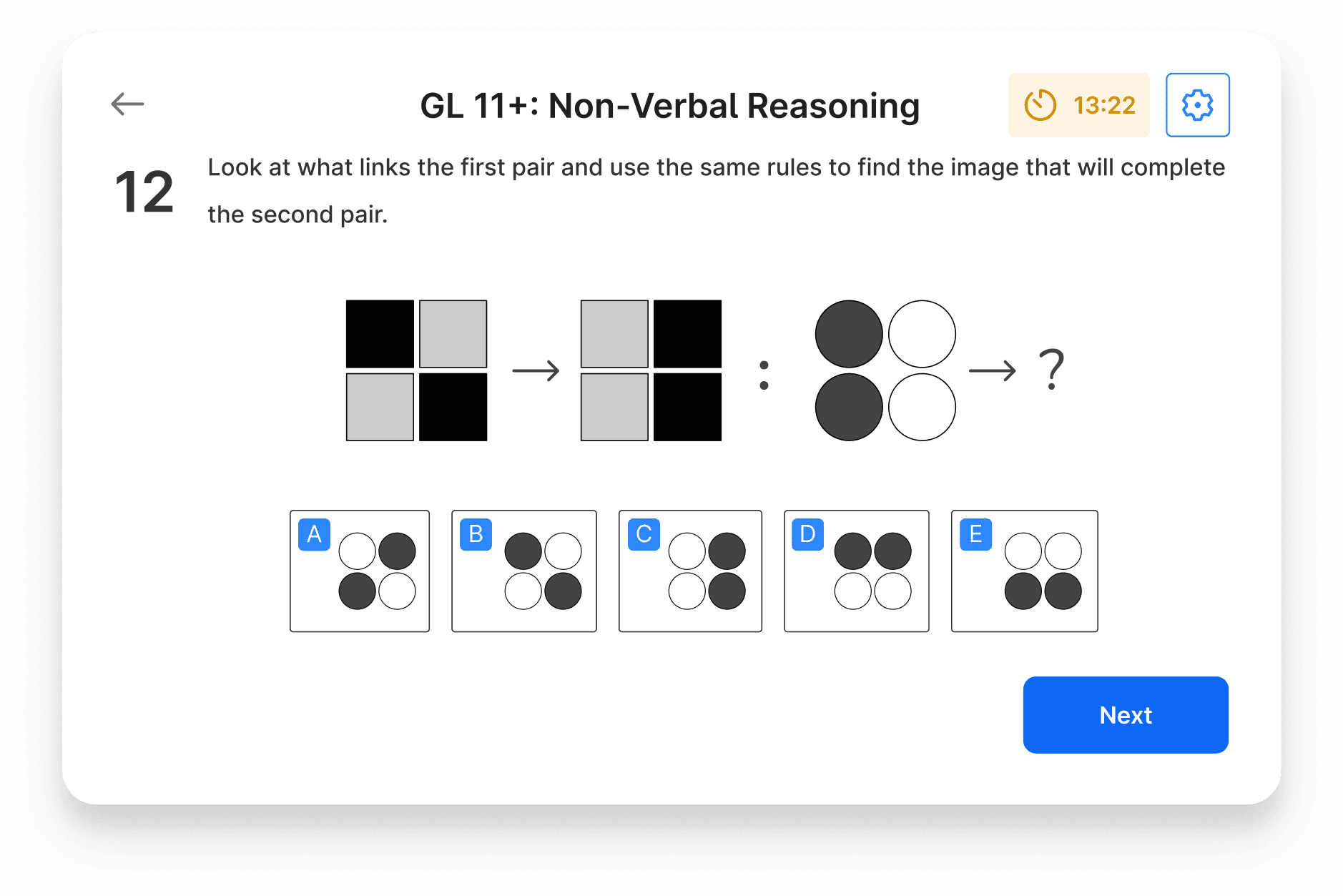
Both types of reasoning involve analysing information and using logic to solve problems. Verbal reasoning focuses on written information – such as letters, words, numbers and symbols. Non-verbal reasoning involves using visual information, like shapes, pictures and diagrams.
Verbal and non-verbal reasoning aren't taught on the primary school curriculum. Lots of grammar schools include reasoning tests in their 11 plus exam to look at potential, rather than learned knowledge.