Preparing for your English Language GCSE starts with a clear understanding of what your exam will look like for your chosen exam board.
If you’re revising for English Language with OCR, we’ve got all the details you need to understand what the exams will consist of and how to prepare effectively. Read on to find out more!
The OCR GCSE English Language exam consists of two written papers and a speaking assessment.
The papers are both 2 hours long and equally weighted.
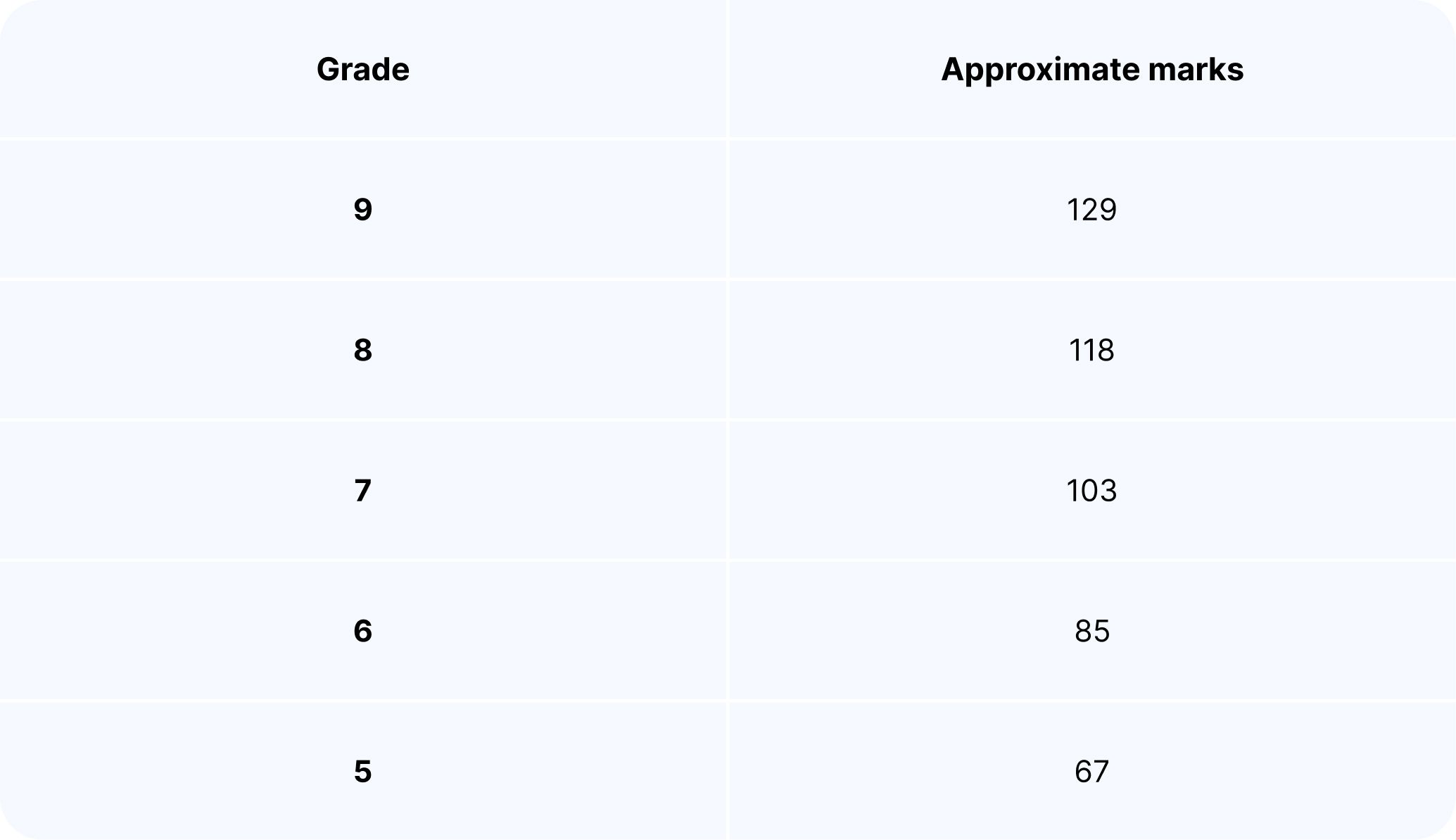
GCSE grade boundaries are set after the exam. Take a look at last year’s boundaries below.
What’s the format of the OCR GCSE English Language exam?
The OCR English Language exam consists of the following:
Two written papers with a total of 160 marks available.
Both papers are 2 hours long and worth 80 marks.
There is also a spoken language assessment graded separately from the exams.
Don’t miss Atom’s GCSE giveaway!
Six months. Six epic prizes. Still up for grabs: tickets to Reading Festival 2026 and the latest Apple tech, including an iPad Air, Vision Pro and more.
What’s the difference between Papers 1 and 2 for OCR English Language?
The two papers are of equal length and weighting, but test you on different parts of the English Language curriculum.
Paper 1: Communicating information and ideas
Paper 1 is split into two sections:
In section one, the focus is on reading. You’ll be asked a series of questions on unseen texts provided in the paper. You’ll need to show your understanding of the extracts and analyse how they communicate ideas.
In section two, the focus is on writing. You’ll be asked to write one of two pieces, communicating to an audience. For example, you might be asked to write a speech or a letter.
Similar to Paper 1, the second exam is split into two parts, with a focus on reading and then writing:
In Part 1, you’ll be asked to answer questions on unseen texts, showing your understanding of how they create impact on the reader and comparing the two.
Part 2 will ask you to write creatively, with two prompts to choose from. This is your chance to use your imagination and creative writing skills.
AO4: evaluate texts, and in writing, produce coherent, accurate, effective texts
Examiners are looking for you to show your reading and writing skills throughout this exam. Remember to think about structure, form and to read through your answers carefully to make sure they’re accurate.
What are the grade boundaries for OCR GCSE English Language?
It’s important to remember that the exact grade boundaries for your GCSE exams will change every year. Exam boards adjust the grade boundaries after an exam has happened, depending on how advanced the exam content was and how the cohort performed.
This is so students don’t have an advantage or disadvantage because of the year they took the paper. For example, if your paper were harder, grade boundaries would be lowered so that a grade 5 reflects the same level of knowledge as in previous years.
To give a sense of what to expect, here are the grade boundaries for last year’s OCR English Language GCSE:
While we can’t say the exact boundaries for the next exam, the table above should help you understand what marks to aim for to hit your target grade.
How can I prepare for GCSE English Language?
Here are 5 top tips for preparing for your GCSE English Language exams:
1. Master your analytical skills
A key area that GCSE English Language tests is your ability to analyse and understand texts.
Every time you read a text, annotate it for metaphors, similes, alliteration, rhetorical questions, and tone. Make sure to look at the structural choices, too.
Always ask yourself; Why did the writer do that? What effect does it produce for the reader?
Remember to back up your analysis with quotes and explain the impact of these devices.
Top tip: Try teaching others what you know about a text to help build confidence in your understanding.
2. Practise writing little and often
English Language exam questions ask you to answer a variety of questions, including essays, and to write your own pieces.
Practise writing PEE/PEEL paragraphs (Point, Evidence, Explain, Link) as a clear way to structure your thoughts.
Use past papers and practise writing answers under timed conditions.
Focus on analysing the texts. Think about how language, structure, and form create meaning.
Practise creative writing using prompts and get feedback from your teacher or friends to help you improve.
Top tip: Use practice papers under timed conditions to get used to planning and writing clear answers.
3. Don’t forget to practise comparing and contrasting
In both papers, you’ll be asked to compare and contrast texts. It’s a good idea to practise this and get used to drawing parallels between different source materials.
Practise comparing vocabulary, tone, viewpoint, structure, and the effects of these on the audience.
Think about how you structure your comparisons to keep your writing clear and easy to understand.
Top tip: Colour code your notes to help organise your thoughts and make them easier to digest.
4. Practise with past papers and mark schemes
Testing your skills with past papers is a great way to build speed, accuracy and confidence. Incorporate test questions into your revision routine to help put your learning into practice.
Practise writing plans for answers and outlines for essays to build a strong habit.
Try taking the full exam, working through it in your own time and noting which sections you found easiest and most challenging.
And there you have it - your guide to OCR English Language GCSE. Using your understanding of the exam questions and assessment objectives, you can be sure to prepare thoroughly for anything your exam throws at you! Good luck.