
3. Create a reading-friendly home
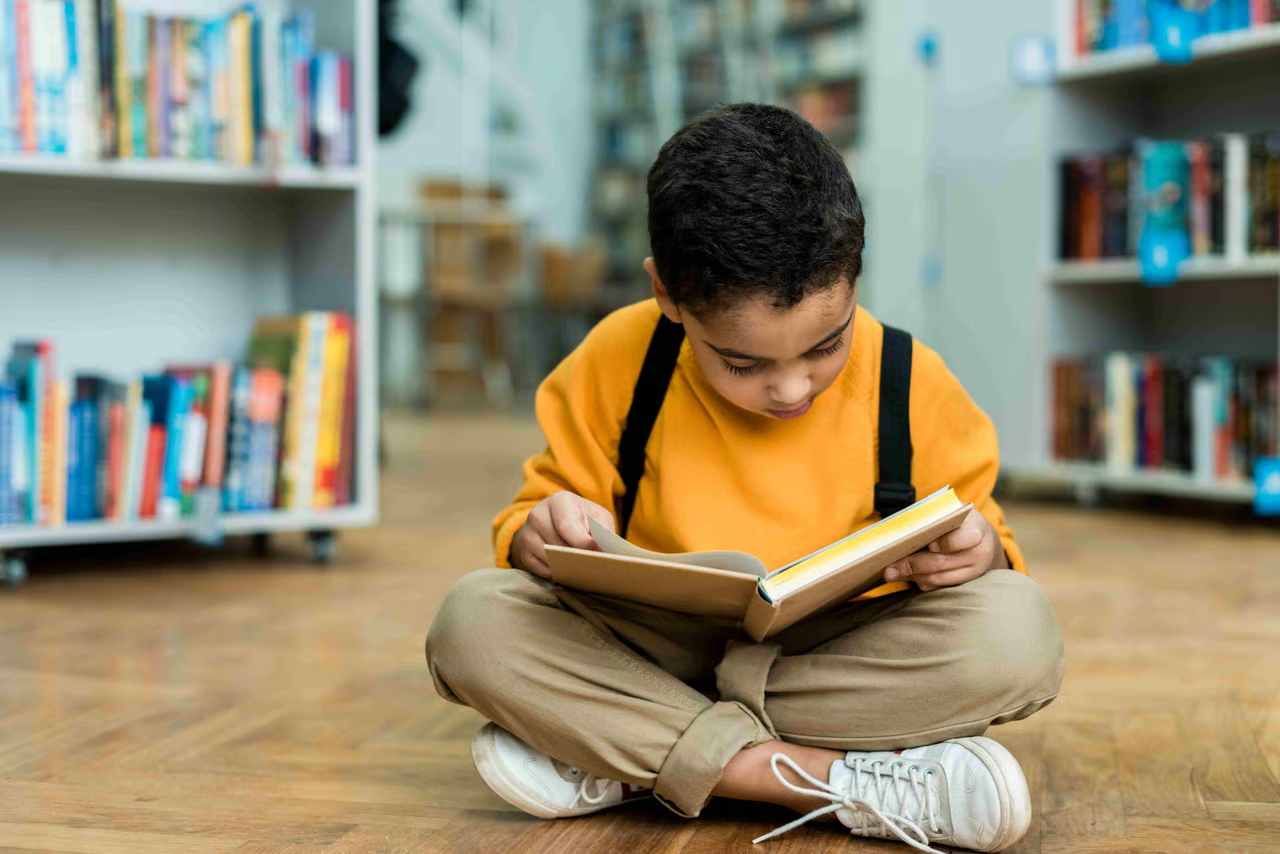
Ensure your child has plenty of opportunities for regular reading by leaving a variety of reading materials around the home – particularly in rooms where they play and relax, such as the living room or bedroom. If your child is surrounded by books, they're more likely to pick one up and start reading. You could even create a cosy reading environment or a book nook, a comfortable space for your child to read. This will help to show your child that reading is a pleasurable activity that can be accomplished anywhere.
You can also make books readily available to your child. Arrange books on low shelves or baskets so that they can be reached easily. Incorporate reading into everyday spaces by having books in various rooms in the house, such as the living room or kitchen. If your child has access to a variety of reading materials and the freedom to choose, they’ll develop their own natural curiosity and begin to explore what they’re most interested in.
4. Make reading fun
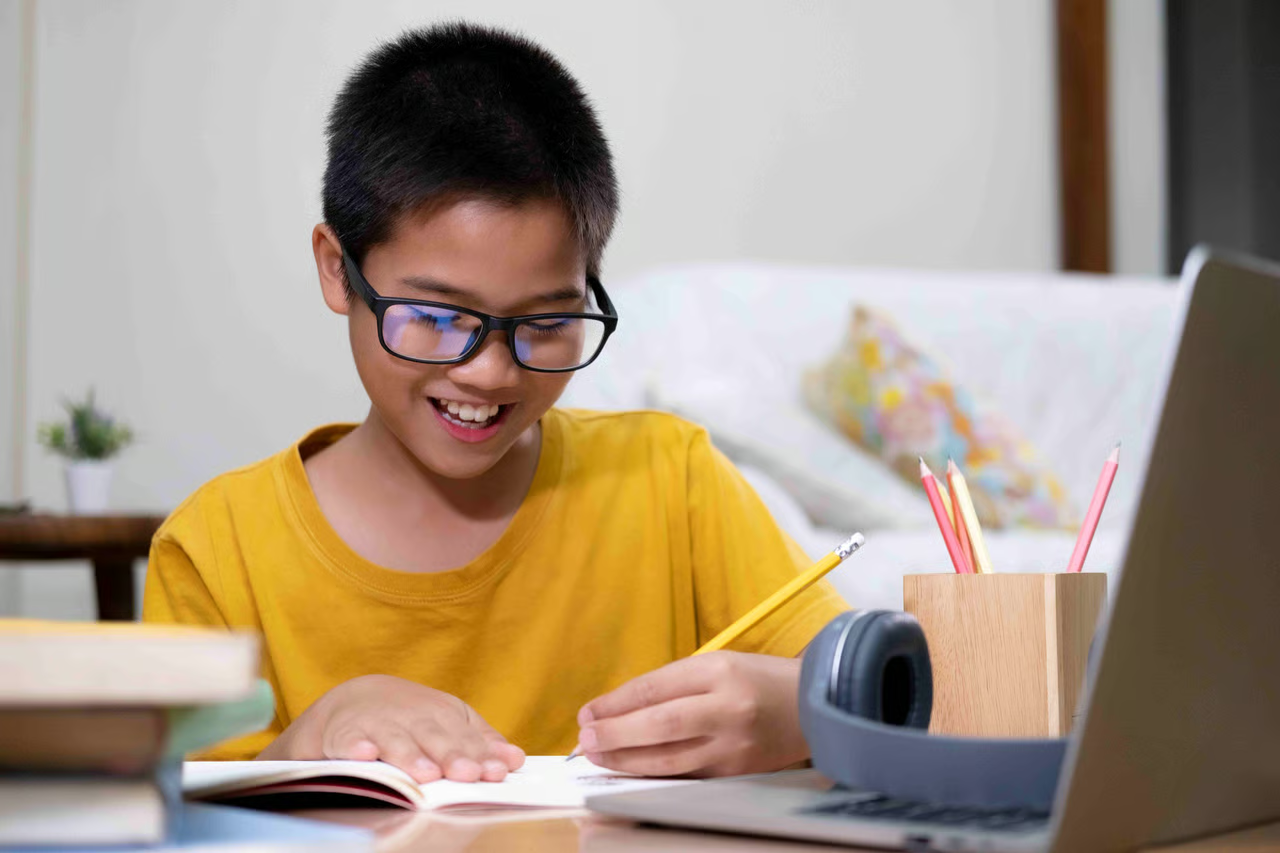
Let’s be honest, children only want to do something when it’s fun. If they don’t enjoy reading, they’re more likely to give any excuse not to do it. But, if you can find a way to make reading fun for them, they’ll have more motivation to do it.
One way to make reading fun is to turn it into a game or use a reward system, such as a sticker chart, to incentivise your child. Every chapter or book they read gets a sticker or star. Adding this game or reward to reading might motivate them to pick up a book.
Reading challenges are another valuable option. They are an excellent way to motivate reluctant readers, support confident readers, and help all children discover the joy and benefits of books. They not only make reading fun but also help to build discipline and comprehension skills while allowing your child to feel a sense of achievement. Most local libraries host reading challenges at various times throughout the year, or you can find some online to participate in as well.
5. Be a reading role model
Children are impressionable, and you’ll undoubtedly have experienced intriguing moments where your child has copied your language or imitated your behaviour. However, this natural admiration may not be so apparent when they reach their teen years, so make the most of this window of opportunity and role model good reading habits.
When children observe you reading regularly and enjoy it, they associate reading with value, importance, and pleasure. Be visible when spending time with a book or a newspaper, and allow your child to ask questions about what you’re reading and invite them to get involved. Tell them about the book and why you’re excited about it. If you want to take it one step further, you could even read the same book as your child. Sit together and read, and then talk about the chapter you read afterwards.
If you show them how enthusiastic you are about reading, they’re likely to mimic the behaviour. If they do, encourage them and express your excitement.