

Back to blog

Your guide to Edexcel GCSE Religious Studies

By
Atom
|
February 2, 2026

Performing well in Edexcel GCSE Religious Studies comes down to understanding the exam just as much as the content itself.

Edexcel offers two Religious Studies courses: Religious Studies A and Religious Studies B. While both assess similar skills, they are structured differently. 

This guide walks you through how both courses work, what examiners are looking for, and how to prepare effectively, so your revision time turns into real marks.

Key takeaways

  • Edexcel GCSE Religious Studies is assessed entirely through written exams, taken at the end of Year 11
  • There is no coursework; your final grade comes 100% from exam performance
  • You’ll study two religions across both courses
  • Religious Studies A focuses more on beliefs, practices, and textual understanding
  • Religious Studies B focuses more on ethics, philosophy, and applied religion
  • Strong answers combine accurate knowledge, religious sources of authority, and clear evaluation

What’s the format for Edexcel GCSE Religious Studies?

Edexcel offers two full-course GCSE Religious Studies specifications:

Both courses are linear, meaning all exams are sat at the end of Year 11, and both assess the same core skills: knowledge, explanation, and evaluation.

Religious Studies A: exam format

Religious Studies A consists of three exam papers:

Paper 1: Study of religion
1 hour 45 minutes | 50% of the qualification

Paper 2: Study of a second religion
50 minutes | 25% of the qualification

Your school will choose between paper 3 & 4:

Paper 3: Philosophy and Ethics
50 minutes | 25% of the qualification

Paper 4: Textual Studies
50 minutes | 25% of the qualification

Religious Studies B: exam format

Religious Studies B is assessed through two exam papers:

Paper 1: Area of Study 1
1 hour 45 minutes | 50% of the qualification

Paper 2: Area of Study 2
1 hour 45 minutes | 50% of the qualification

Students study two Areas of Study, each from a different religion. An Area of Study is a themed unit (such as ethics, peace and conflict, or social justice), explored through the beliefs and teachings of one religion.

What’s the difference between the Papers for Edexcel GCSE Religious Studies?

Religious Studies A

Religious Studies A is more structured and content-led.

  • Paper 1 focuses on one religion, covering:
    • Beliefs and teachings
    • Practices
    • Sources of wisdom and authority
    • Forms of expression and ways of life
  • Paper 2 covers a second religion, focusing on:
    • Beliefs and teachings
    • Practices
  • Paper 3 (Philosophy and Ethics) explores arguments for God’s existence and religious views on relationships and families
  • Paper 4 (Textual Studies) focuses on a close study of either Mark’s Gospel or the Qur’an

Religious Studies A emphasises detailed knowledge, the use of scripture, and clear explanations of religious beliefs and practices.

Religious Studies B

Religious Studies B is organised around real-world themes and issues rather than studying one religion in isolation.

Students study two Areas of Study from this list:

  • Religion and Ethics
  • Religion, Peace and Conflict
  • Religion, Philosophy and Social Justice

Each Area of Study includes topics such as:

  • Beliefs
  • Ethical issues (e.g. life and death, crime and punishment)
  • Living the religious life
  • Philosophical and social questions

Religious Studies B focuses on real-world issues and looks at how different religious beliefs are applied, discussed, and evaluated.

What are examiners looking for?

Edexcel examiners assess answers using two assessment objectives:

  • AO1: Knowledge and understanding of religions and beliefs
  • AO2: Analysis and evaluation of religious beliefs, arguments, and viewpoints

To reach the top grades, examiners want to see:

  • Accurate knowledge: a clear understanding of beliefs, practices, and key terms
  • Use of sources of authority: including scripture, teachings, and religious texts
  • Developed explanations: explaining why beliefs matter, not just what they are
  • Balanced evaluation: considering more than one viewpoint
  • Justified conclusions: clear, reasoned judgments that follow from the argument

A simple structure works best: make a point, explain it, support it, and evaluate it. This is often referred to as the PEEL technique. You can read a full breakdown of how to use it effectively here.

What are the grade boundaries for Edexcel GCSE Religious Studies?

It’s important to remember that the exact grade boundaries for your GCSE exams will change every year. Exam boards adjust grade boundaries after an exam, depending on the exam's difficulty and how the cohort performed.

This is so students don’t have an advantage or disadvantage because of the year they took the paper. For example, if your paper were harder, grade boundaries would be lowered so that a grade 5 reflects the same level of knowledge as in previous years

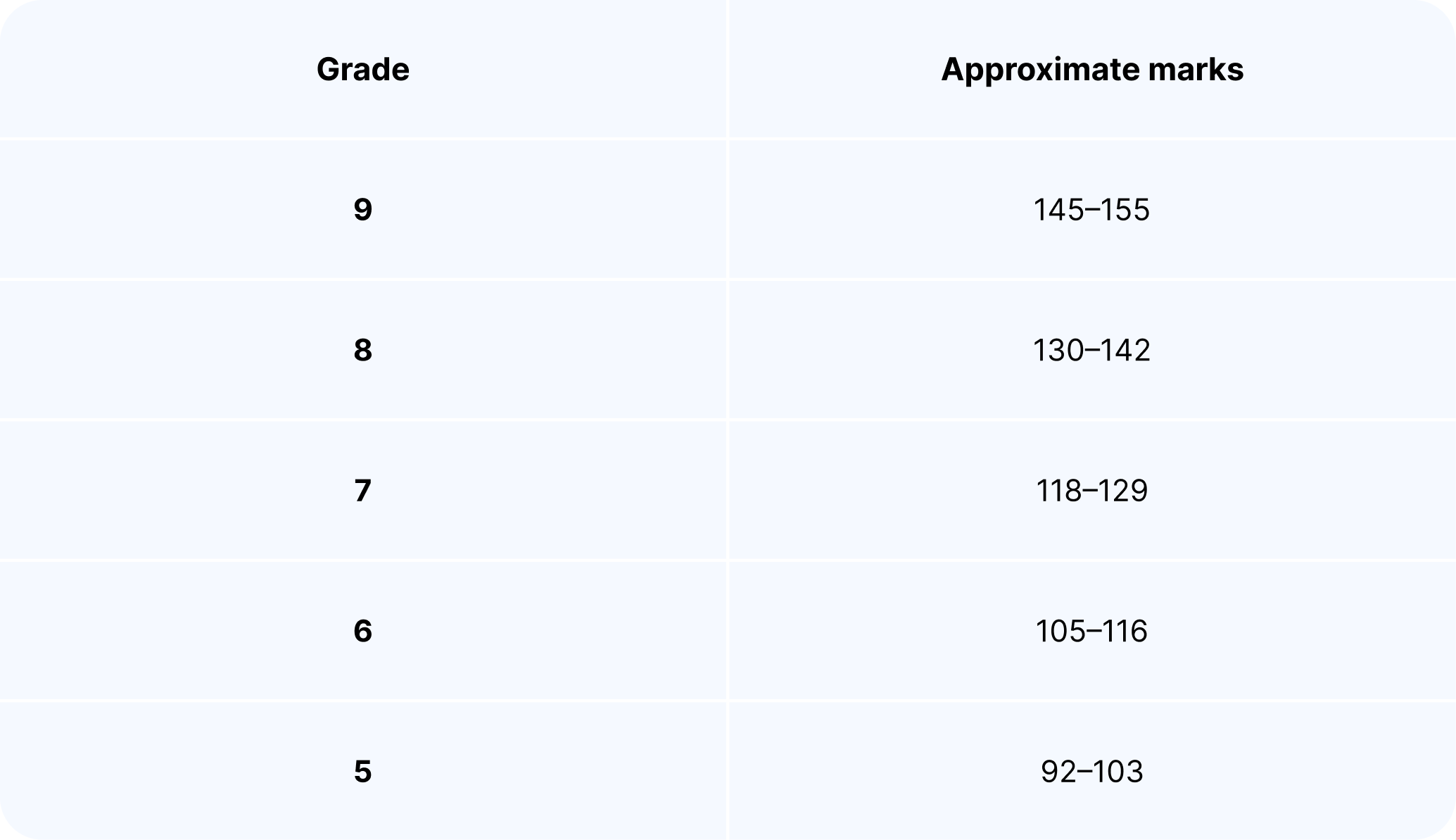
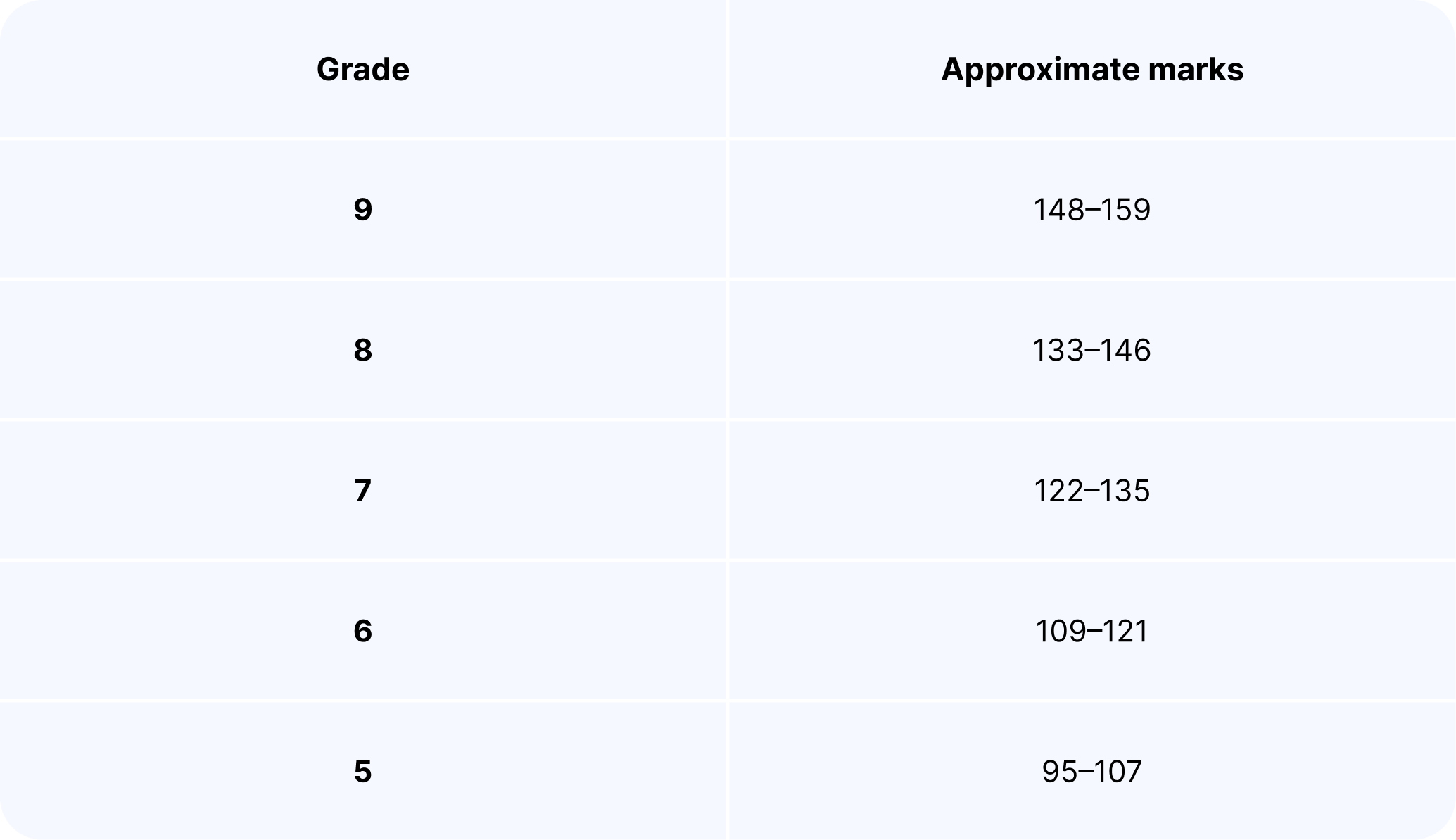
To give a sense of what to expect, here are the grade boundaries for Religious Studies Edexcel GCSE from the last year:

Religious Studies A: 

Religious Studies B: 

Atom GCSE is coming!

Guided courses.
Instant feedback.
Built for the 2026 exams.

Join the waitlist now to be the first to get free, early access. 

Sign up now

What key topics do I need to know for Edexcel GCSE Religious Studies?

Religious Studies A

You will study:

  • Two religions selected by your school, which may include Christianity, Catholic Christianity, Islam, Judaism, Buddhism, Hinduism, and Sikhism.
  • Core areas including:
    • Beliefs and teachings
    • Religious practices
    • Sources of wisdom and authority
    • Forms of expression and ways of life

Depending on your course, you’ll also study either:

  • Philosophy and Ethics (e.g. arguments for God, relationships and families), or
  • Textual Studies (Mark’s Gospel or the Qur’an)

Religious Studies B

You will study two Areas of Study, each with a different religion, covering topics such as:

  • Ethics and moral decision-making
  • Crime and Punishment
  • Peace and conflict
  • Matters of life and death
  • Philosophy of religion
  • Social justice and equality

Depending on your school, the religions studied may include Christianity, Catholic Christianity, Islam, Judaism, Buddhism, Hinduism, or Sikhism.

Across both courses, you’ll need to understand religious and non-religious viewpoints.

Where can I find past papers and mark schemes?

Practising with past papers and mark schemes is one of the most effective ways to prepare for GCSE Religious Studies.

Past papers help you understand question styles, see how marks are awarded, and build confidence with real exam timing and structure.

Head to the Edexcel website to find past papers and mark schemes from previous GCSE Religious Studies exams: 

How can I prepare for Edexcel GCSE Religious Studies?

The most effective preparation for Edexcel GCSE Religious Studies focuses on both content and exam technique. Knowing the material is important, but understanding how to use it in exam answers is what earns the most marks.

1. Revise beliefs, teachings, and key terms thoroughly

Make sure you know the core beliefs and teachings for each topic, and that you can use accurate religious terminology

Examiners reward precision, so vague descriptions often limit marks.

2. Practise explaining why beliefs matter

It’s not enough to state what a religion teaches. Higher-mark answers explain why those beliefs are important and how they influence religious life and behaviour today.

3. Learn how to structure evaluation answers

Longer questions require a clear, logical structure. Strong answers:

  • Present more than one viewpoint
  • Support ideas with religious teachings or sources of authority
  • Reach a clear, justified conclusion

Using a simple writing technique, such as PEEL (Point, Explain, Evidence, Link), will help you to keep answers focused and exam-ready.

4. Use past questions to practise timing and planning

Practising with real Edexcel-style questions helps you:

  • Get used to command words
  • Judge how much to write for different mark questions
  • Plan answers quickly and avoid running out of time

Even short-term practice can make a big difference in the exam.

5. Review mark schemes and examiner feedback

Mark schemes show exactly how marks are awarded. Looking at examiner comments helps you understand:

  • What separates mid-level and top-level answers
  • Common mistakes to avoid
  • How are evaluation answers are developed at higher grades

Reviewing your answers will also help to guide your revision; use lower-scoring questions or topics to decide what to focus on next, rather than revising everything equally.

Confidence in Religious Studies comes from clarity. When you know how to approach the questions and explain your ideas clearly, the exam feels far more manageable. Keep building your understanding, stay consistent with your practice, and go into the exam ready to show your thinking.

No items found.
No items found.
No items found.
No items found.
No items found.

Contents