

Preparing for multiple 11-plus entrance exams can feel like a lot. Grammar and independent schools each have their own formats, subjects, and timelines, so there’s a lot to keep track of.
But take a deep breath; you don’t have to do it all at once, and you don’t have to do it alone.
With the right approach, it’s possible to prepare for a mix of exams without stress taking over. This blog will guide you through how to stay organised, balance different exam styles, and help your child feel confident for their 11+ exams.
Whether your child is applying to grammar schools, independent schools, or both, we’re here to help you navigate the process step by step.
1. Make a shortlist of your target schools
Before you begin to prepare for the 11+ exams, take a step back and get a clear idea of which schools you’re aiming for. A well-researched shortlist makes everything else feel more manageable.
Start by considering your child’s strengths, learning style, and personality. Would they thrive in a highly academic grammar school? Or are they better suited to an independent school's broader curriculum and facilities? Location, admissions criteria, and school ethos all play a part in this decision.
Once you’ve narrowed down your options, it becomes much easier to tailor your child’s preparation, focusing on the right subjects, formats, and timelines.
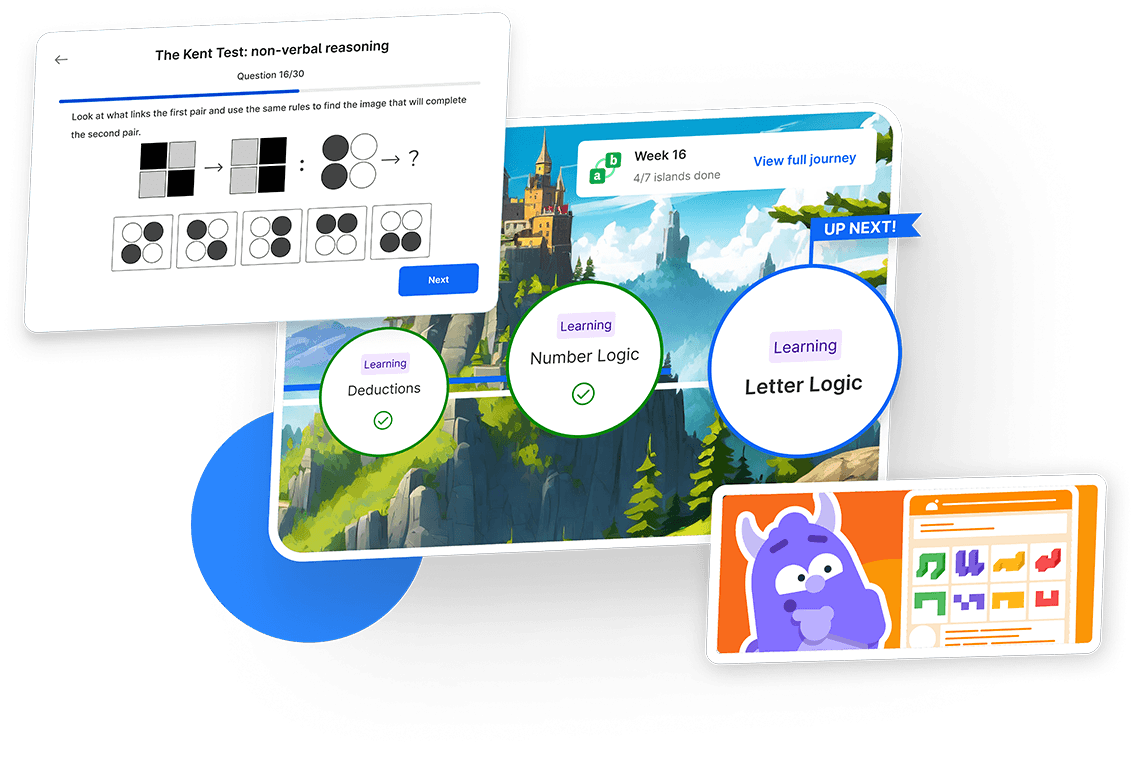
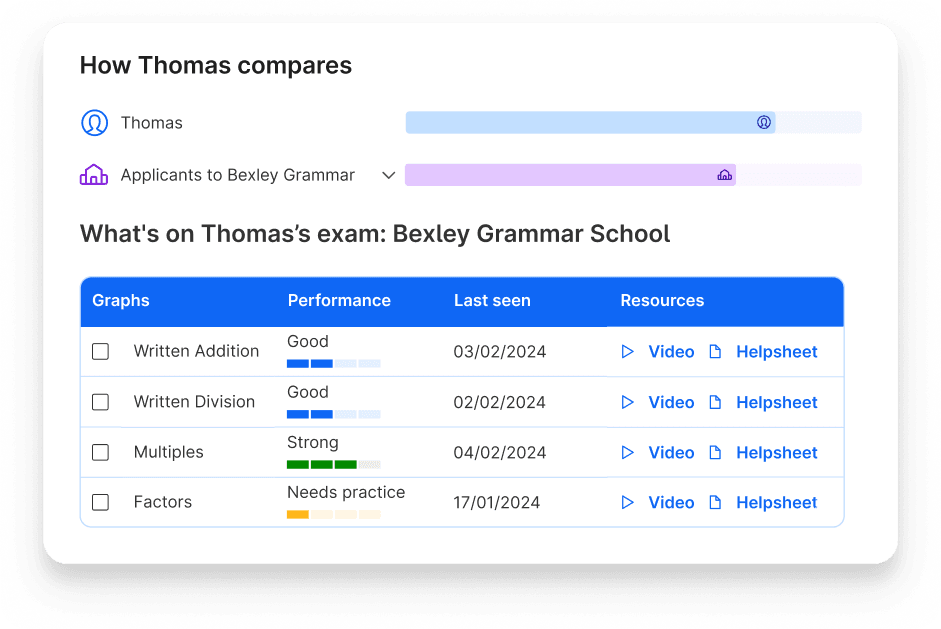
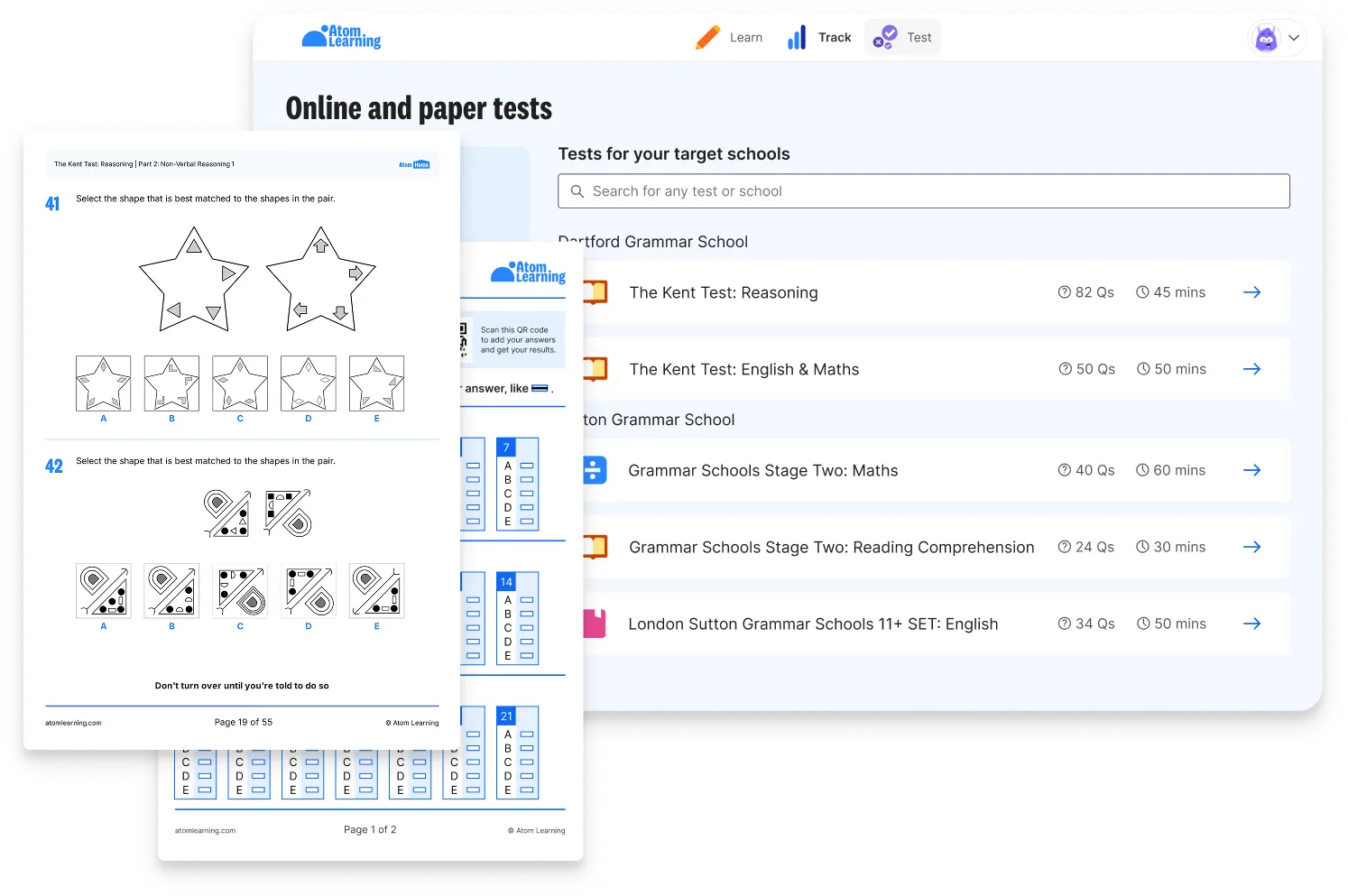
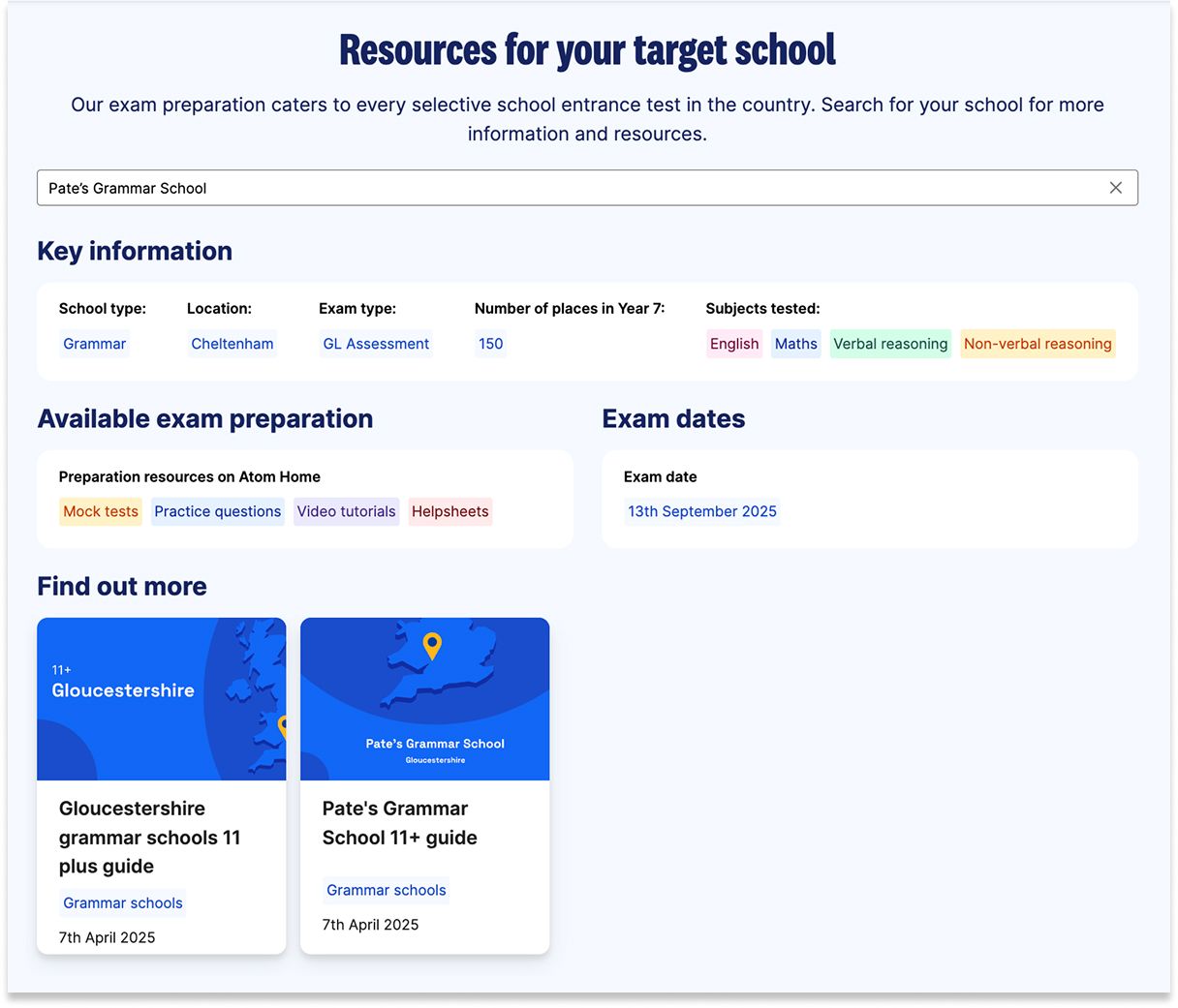
Need help making your shortlist? Atom provides all the key information in one place, from entry requirements to exam formats, along with personalised guidance and targeted practice for each school on your list.
Just scroll down on our homepage to explore schools and find the right fit for your child.

2. Get to know the different 11+ exam formats
The 11+ isn’t a set format for grammar and independent schools, so again, it’s important to research the specific details for each exam.
Here are some key differences between the exam formats to help you build an initial understanding. However, make sure to check your target school's admissions policies, as exams can be bespoke.
Grammar school exam format
- Exam boards: Many grammar schools use 11+ exams provided by GL Assessment. Others use exams from smaller providers or tests created by their own school departments. Find your local grammar school here to learn more about individual grammar school exams and their requirements.
- Standardised format: Most tests (particularly those provided by GL Assessment) are multiple-choice and machine-marked. For more information on the multiple-choice exam format, read our article How to fill in 11+ answer sheets correctly: a step-by-step guide for parents.
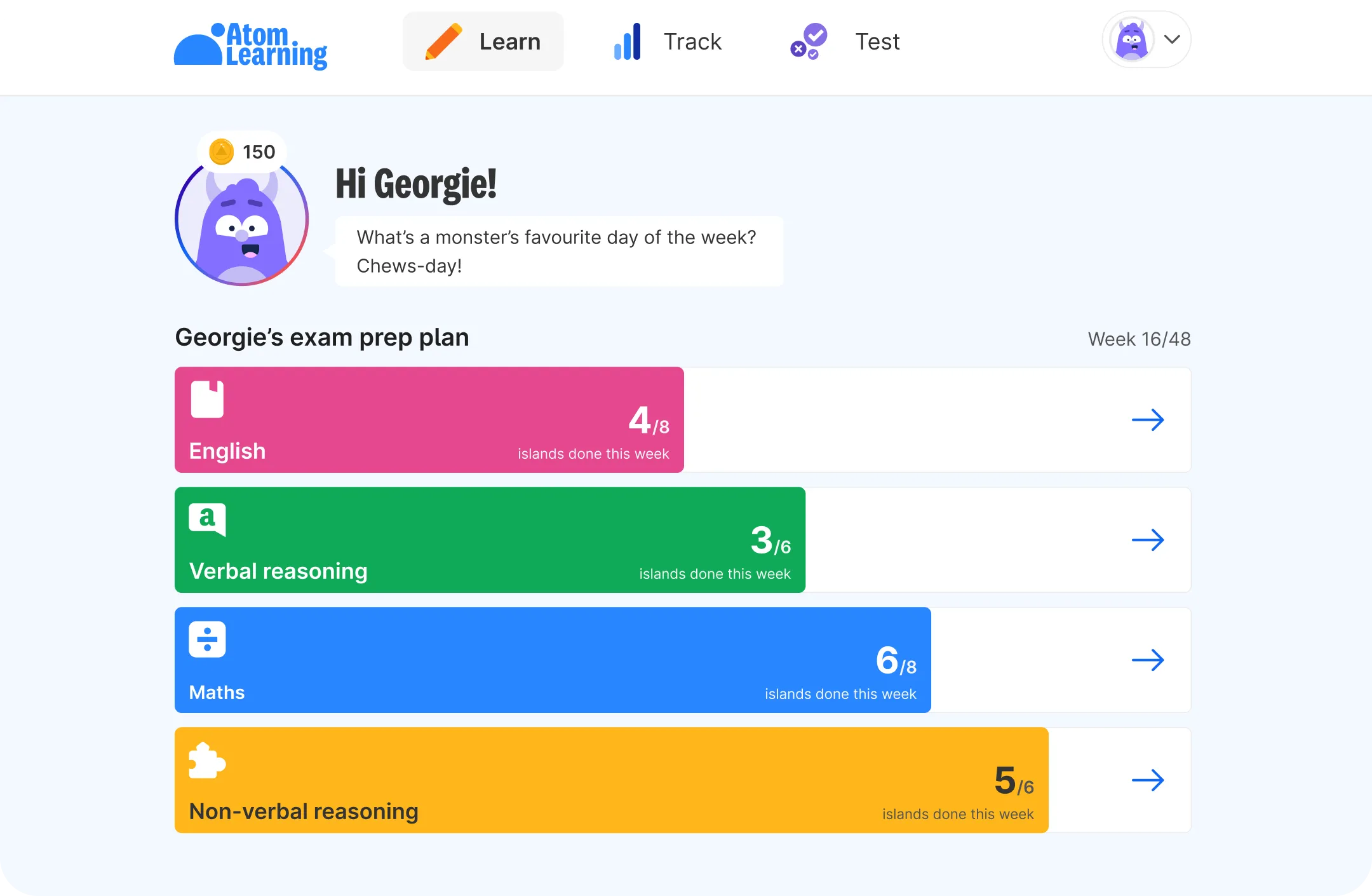
- Core subjects: English, Maths, Verbal Reasoning, and Non-Verbal Reasoning. 11+ exams test all or some of these subjects.
- Interviews? Interviews are rare in the 11+ entrance process for grammar schools.
Independent school exam format
- Exam boards: Many independent schools use their own internally set papers, but exam boards such as ISEB Common Pre-Test, CEM Select, Quest Assessments or GL are used for some independent schools.
- Standardised format: Tests will likely include written answers, especially in English and Maths. While grammar schools usually have a set format (often multiple-choice), independent schools' 11+ entrance exams can vary. They can include creative writing or longer answers.
- Core subjects: Typically English, Maths, and sometimes Verbal and Non-Verbal Reasoning or a separate reasoning paper.
- Interviews? Interviews are a common part of the 11+ entrance exam for independent schools and play an important role in whether children are accepted. Learn more about the 11+ interview process in our Guide to senior school interviews.
Understanding the format for each school and the difference between grammar and independent school preparation means you can prepare with purpose, no surprises or guesswork, just steady, focused progress tailored to what your child will face on exam day.