
Back to blog

Oxford AQA International GCSE French: everything you need to know

By
Atom
|
September 2, 2026

Studying Oxford AQA International GCSE French? Here's a full breakdown of the exam, so you know exactly what to expect.

If your school follows Oxford AQA, you're working towards the International GCSE French qualification (9265). This guide walks you through how the papers are structured, what you'll be tested on, and how to prepare with confidence. Read on to find out more.

Key takeaways:

  • Oxford AQA International GCSE French is graded on the 9 to 1 scale.
  • You'll sit four papers, each worth 25%: listening, speaking, reading and writing.
  • Your speaking paper is recorded by your teacher and marked externally by Oxford AQA.

What's the format of the Oxford AQA International GCSE French exam?

You'll sit four papers, worth 200 marks in total. There are no Foundation or Higher tiers, so every student sits the same four papers.

  • Paper 1: Listening. 50 minutes, worth 40 marks (25%).
    • A series of recordings, some short and some longer, with questions to answer in English and in French. Recordings get harder as the paper goes on.
  • Paper 2: Speaking. 20 minutes, including 10 minutes of supervised preparation time, worth 40 marks (25%).
    • A photo card discussion followed by a longer, natural conversation. Your teacher records this and sends it to Oxford AQA to be marked, so there's no external examiner in the room.
  • Paper 3: Reading. 1 hour 15 minutes, worth 60 marks (25%).
    • A range of texts with comprehension questions, plus a short translation task from French into English.
  • Paper 4: Writing. 1 hour 15 minutes, worth 60 marks (25%).
    • Shorter, structured tasks plus at least one longer piece where you describe, give opinions or write about past, present and future events.

Full details, including sample papers, are in the official Oxford AQA International GCSE French specification.

What are the grade boundaries for Oxford AQA International GCSE French?

It's important to remember that the exact grade boundaries for your exams will change every series. Oxford AQA sets them after the exam has been sat, based on how difficult the papers were and how the whole cohort performed, so a grade 5 this series reflects the same standard as a grade 5 last series, even if the raw marks needed look different.

Your final grade combines four separate papers, so there isn't one simple number to aim for. Oxford AQA publishes the exact boundaries for every paper after each series on its grade boundaries page.

Use last series' boundaries as a general guide to what a strong performance looks like, not as a fixed target. Boundaries can move by several marks either way from one series to the next.

What are examiners looking for?

Oxford AQA marks your answers against four skill areas, one for each paper. In plain English, examiners want to see that you can:

  • Understand the main points and details of spoken French, including different tones and opinions.
  • Hold a natural conversation, respond to unexpected questions and use accurate pronunciation.
  • Understand written French texts, including working out the meaning of unfamiliar words from context.
  • Write accurately and clearly in French, using a range of tenses and vocabulary.

Ask your teacher which of these four areas your recent practice answers show you're weakest in, so you know what to work on next.

The fastest way to spot the gaps in your writing is Atom, which gives you instant, examiner-style feedback on your practice answers, showing you exactly where you're losing marks and what to do differently next time.

Past papers and resources

Oxford AQA publishes past papers and mark schemes for International GCSE French on its resources page. These are the best way to see exactly how questions are worded and how marks are awarded.

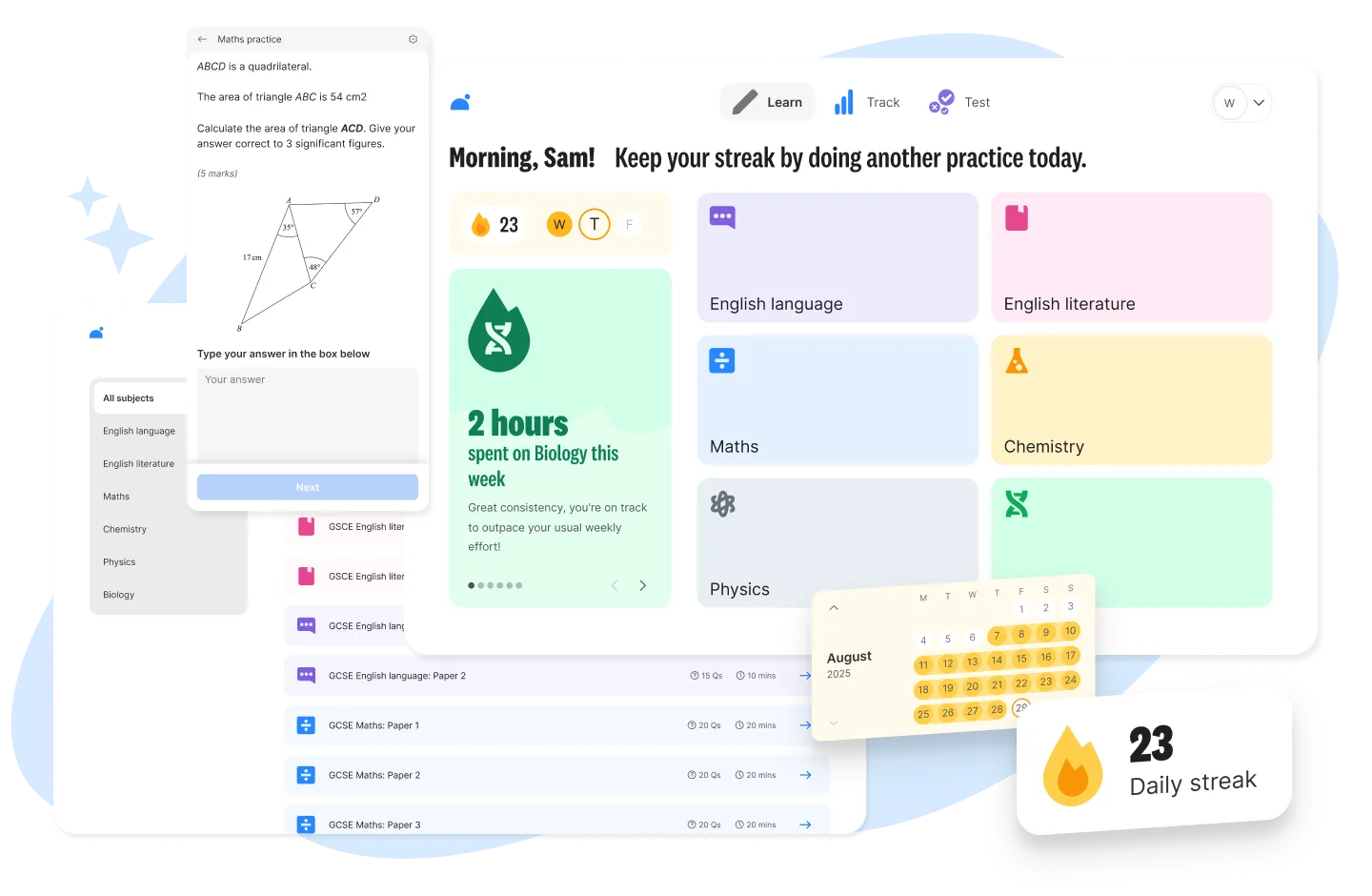
For extra practice with the same skills, Atom gives you practice questions and instant, examiner-style feedback on every answer, so you can see exactly where you're gaining and losing marks.

Take a look at our guide on how to get the most out of GCSE past papers for tips on using past papers effectively alongside your Atom practice.

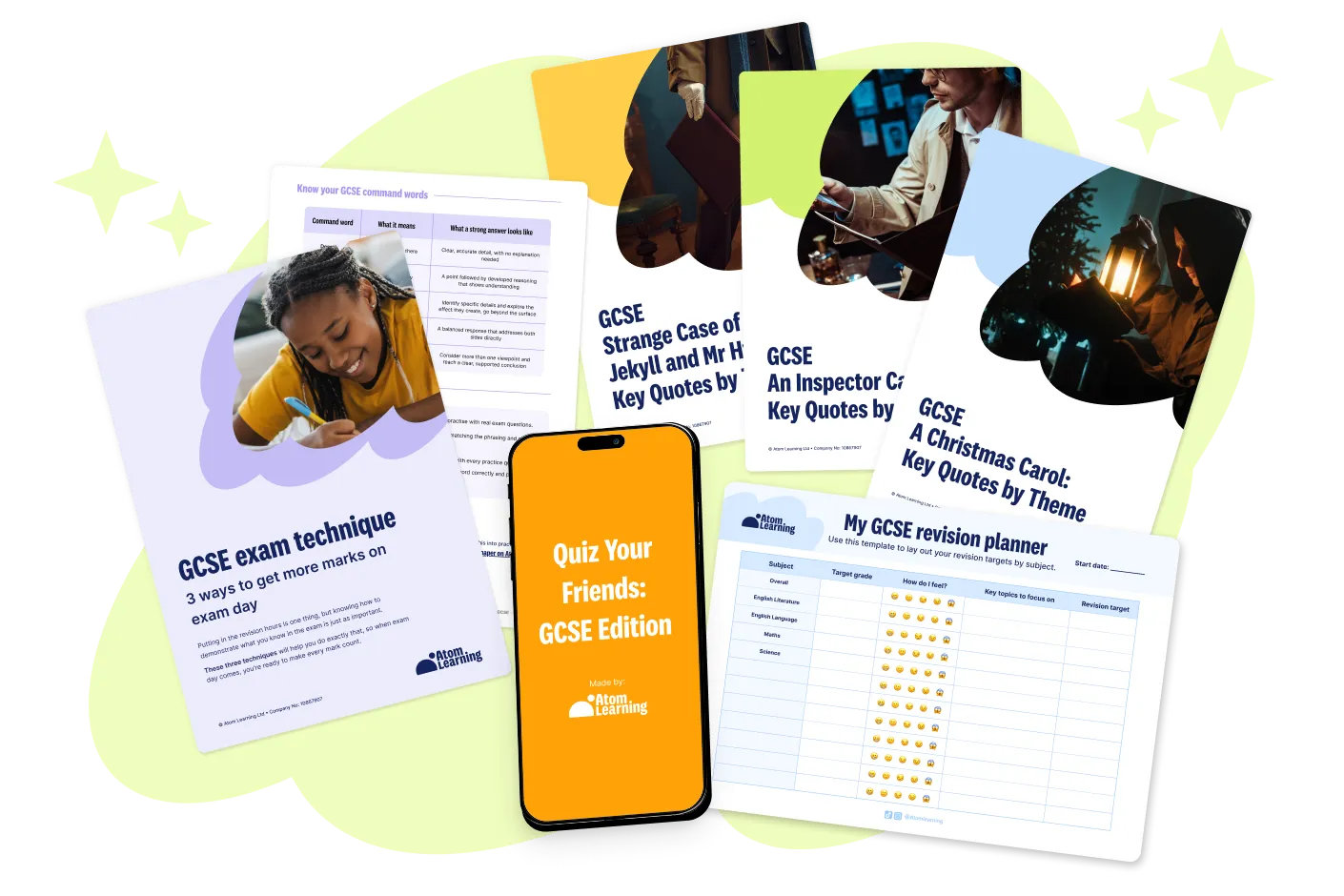
Not sure where to start with revision? We've got you.

From revision planners to formula sheets, we've got the tools to make revision feel a little less daunting.

All free. All in one place.

Let's get started

How can I prepare for Oxford AQA International GCSE French?

Here are 5 top tips to help you get ready:

1. Learn vocabulary in topics, not lists

Random word lists are hard to recall under pressure. Group new words by topic, such as family, technology or the environment, and practise them in full sentences.

Top tip: Turn each topic into 5 to 6 flexible sentences you can adapt to answer different questions on the same theme. Atom's topic-based practice questions are a good way to test yourself on this regularly.

2. Practise the photo card task specifically

Your speaking exam always starts with a discussion of a photo card, so this is a skill you can prepare in advance. Practise describing what you see, giving an opinion, and linking it to your own experience.

Top tip: Learn a simple structure you can reuse for any photo, such as describing the scene, giving an opinion, then connecting it to yourself.

3. Get comfortable with translation

Paper 3 includes a task where you translate French sentences into English, which needs a different skill from general reading comprehension. Practise translating short French sentences regularly, paying close attention to word order and tenses rather than translating word for word.

Top tip: Once you've translated a sentence, read your English version back on its own. If it sounds clumsy or unnatural, you've probably translated too literally, so rework it until it reads like something you'd actually say in English.

4. Rehearse your speaking answers out loud

Reading your notes silently won't prepare you for a live conversation. Practise your general conversation topics out loud, ideally with someone who can ask you follow-up questions.

Top tip: Record yourself and listen back for hesitation or mistakes with gender agreement, which are easy to miss when you're speaking.

5. Time yourself on writing tasks

Running out of time is one of the most common reasons students lose marks in Paper 4. Practise writing full answers under timed conditions so you know how long to spend planning, writing and checking.

Top tip: Leave the final two minutes to check accents, verb endings and agreement, since these are quick wins that examiners reward. Atom's timed practice papers are a good way to build this habit before the real exam.

Now that you understand how the papers are structured and marked, you can focus your revision on the skills that matter most.
No items found.
No items found.
No items found.
No items found.

Take control of your GCSE revision

Everything you need for GCSE success, in one place.

Feeling confident about your GCSEs comes from knowing what to revise, how to improve, and where to focus next.

🔮 GCSE practice papers based on our team's 2026 exam predictions

🎓 Guided courses that cover all the topics on your exams

✍️ Instant feedback that tells you where you’ve gained and lost marks

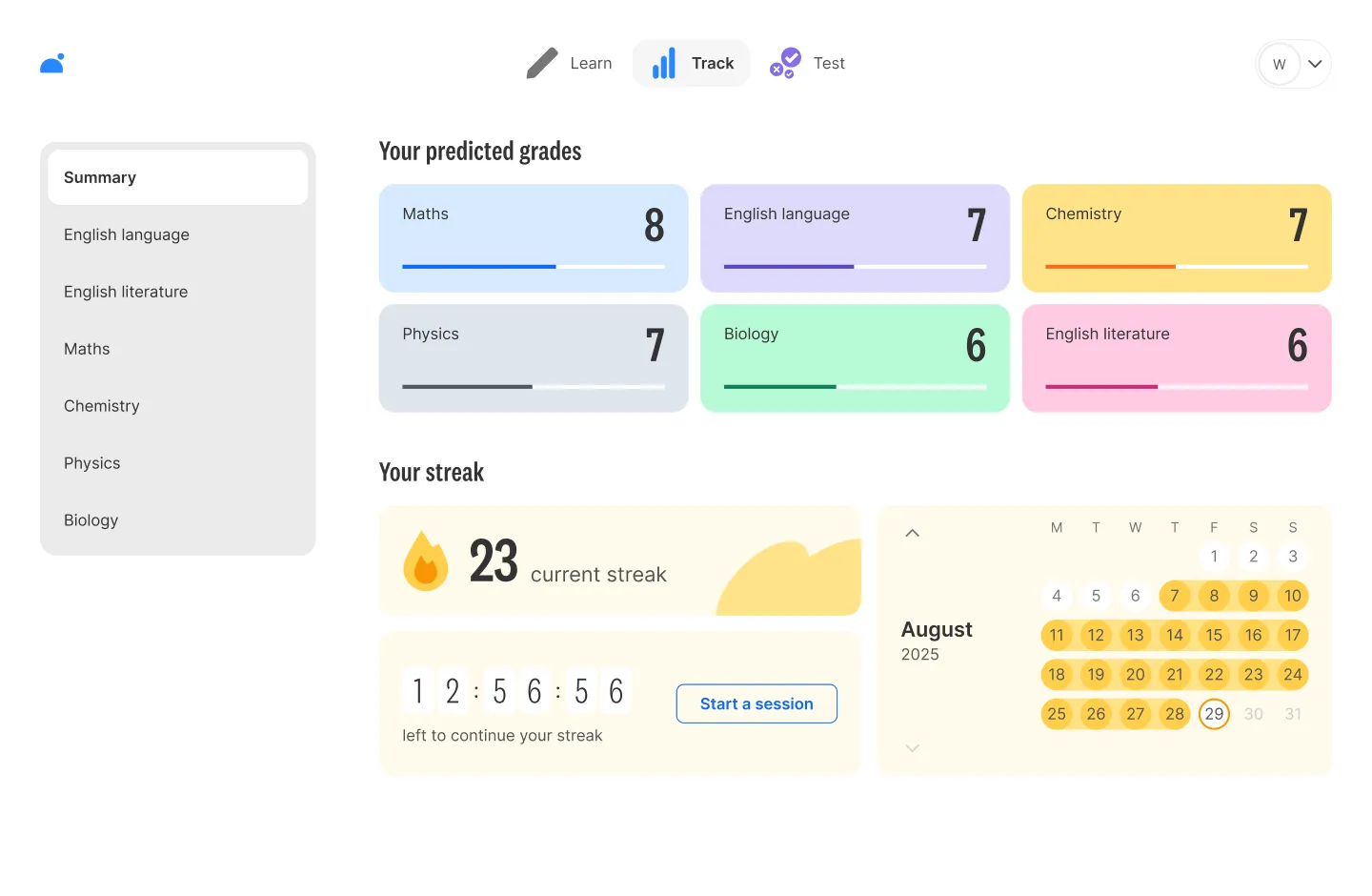
📈 Predicted GCSE grades and topic-by-topic tracking

Know where you stand and how to improve

Create your free account and start making real progress today.

Online GCSE revision

Contents