
Oxford AQA International GCSE Geography: your guide to the exam

Studying Oxford AQA International GCSE Geography? Here's a full breakdown of the exam, so you know exactly what to expect.
If your school follows Oxford AQA, you're working towards International GCSE Geography (9230). This guide walks you through how the papers are structured, what you'll be tested on, and how to prepare with confidence. Read on to find out more.
Key takeaways:
- Oxford AQA International GCSE Geography is graded on the 9 to 1 scale.
- You'll sit three papers, worth 220 marks in total.
- There's an individual fieldwork enquiry built into Paper 3, but no separate coursework component.
What's the format of the Oxford AQA International GCSE Geography exam?
You'll sit three papers, worth 220 marks in total. There are no Foundation or Higher tiers, and all three papers are taken at the end of the course.
- Paper 1: Living with the Physical Environment. 1 hour 30 minutes, worth 80 marks (36%).
- Covers natural hazards, ecosystems, and physical landscapes, with questions ranging from short recall to longer case study responses.
- Paper 2: Challenges in the Human Environment. 1 hour 30 minutes, worth 80 marks (36%).
- Covers urban issues, the changing economic world, and resource management, again mixing shorter questions with longer, case study-based ones.
- Paper 3: Geographical and Fieldwork Skills. 1 hour 15 minutes, worth 60 marks (28%).
- Includes questions on the individual fieldwork enquiry you carry out during the course, alongside general map, graph and data skills questions on unfamiliar material.
Full details, including sample papers, are in the official Oxford AQA International GCSE Geography specification.
What are the grade boundaries for Oxford AQA International GCSE Geography?
It's important to remember that the exact grade boundaries for your exams will change every series. Oxford AQA sets them after the exam has been sat, based on how difficult the papers were and how the whole cohort performed.
Your final grade combines three separate papers, so there isn't one simple number to aim for. Oxford AQA publishes the exact boundaries for every paper after each series on its grade boundaries page.
Use last series' boundaries as a general guide to what a strong performance looks like, not as a fixed target. Boundaries can move by several marks either way from one series to the next.
What are examiners looking for?
Oxford AQA marks your answers against clear skill areas across the three papers. Examiners want to see that you can:
- Show knowledge and understanding of geographical facts, ideas and processes.
- Apply your knowledge to unfamiliar places and situations, not just the case studies you've learned.
- Analyse and interpret data, including maps, graphs and photographs, and reach reasoned conclusions.
- Use and evaluate the geographical and fieldwork skills you developed during your own enquiry.
Ask your teacher for feedback on which of these areas your recent answers show you're weakest in, so you know what to work on next.
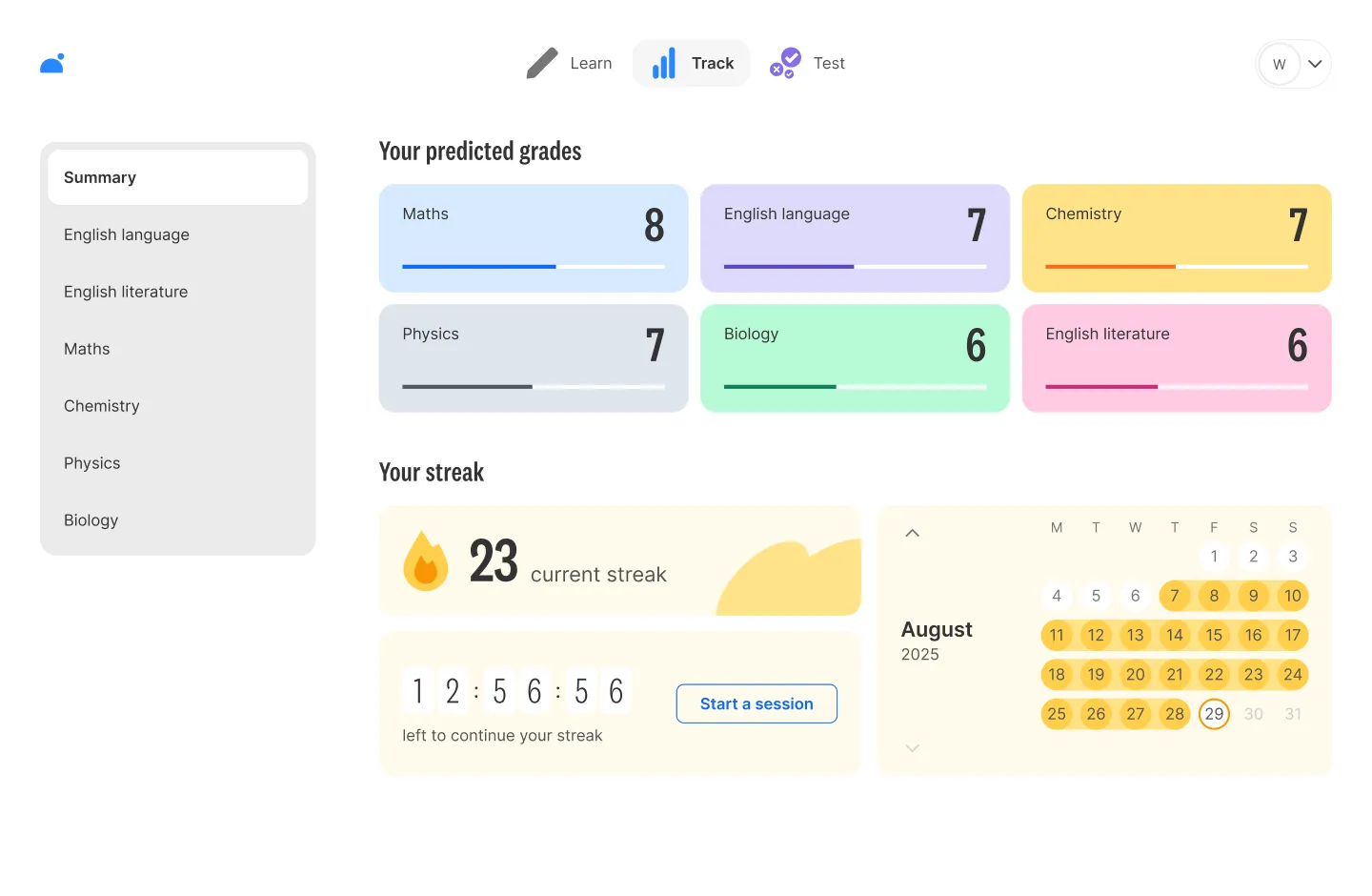
The fastest way to spot the gaps in your written answers is Atom, which gives you instant, examiner-style feedback on your practice answers, showing you exactly which areas you're losing marks on and what to do differently next time.
Past papers and resources
Oxford AQA publishes past papers and mark schemes for International GCSE Geography on its resources page. These are the best way to see exactly how questions are worded and how marks are awarded.
For extra practice with the same skills, Atom gives you practice papers and instant, examiner-style feedback on every answer, so you can see exactly where you're gaining and losing marks.
Take a look at our guide on how to get the most out of GCSE past papers for tips on using past papers effectively alongside your Atom practice.
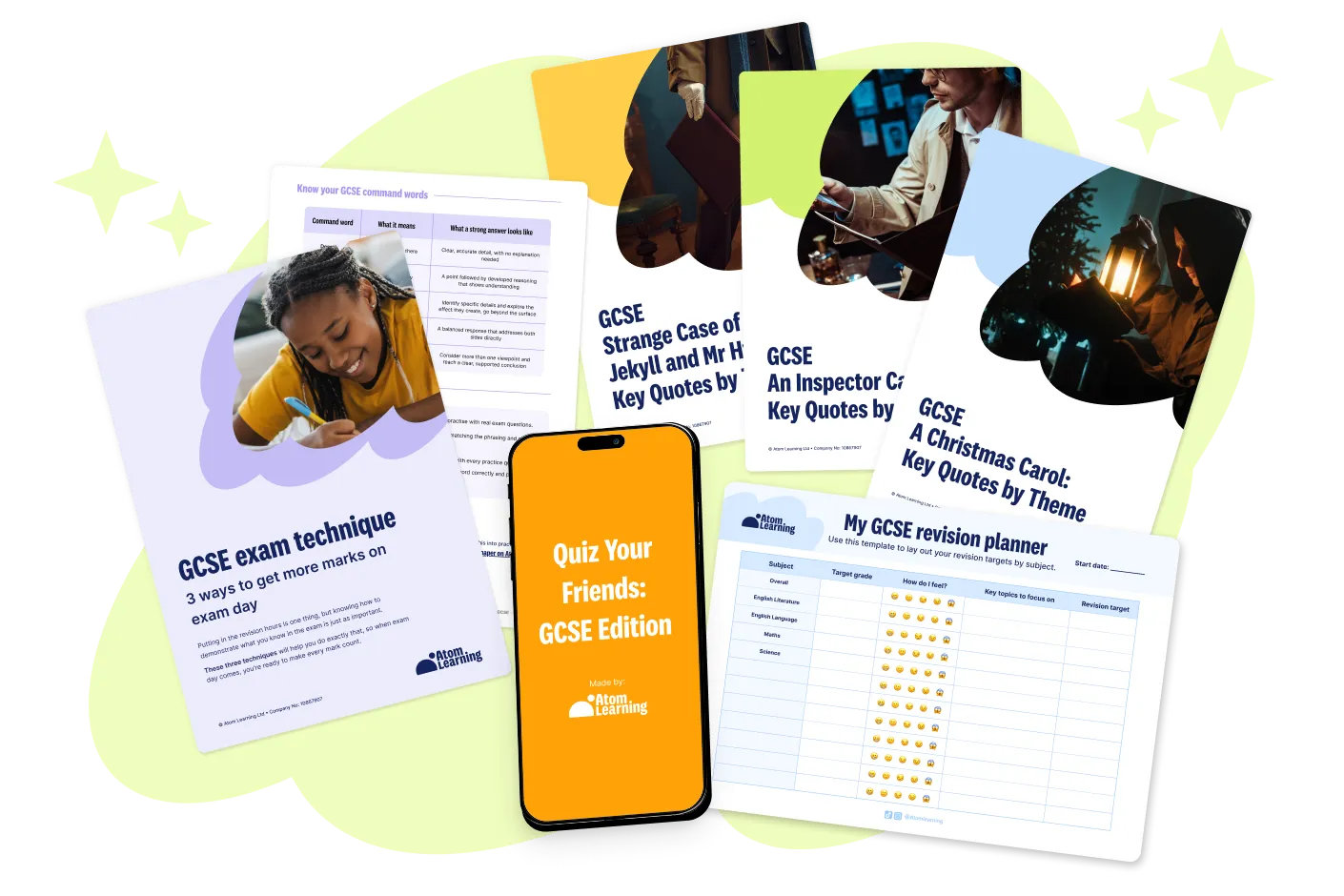
Not sure where to start with revision? We've got you.
From revision planners to formula sheets, we've got the tools to make revision feel a little less daunting.
All free. All in one place.

How can I prepare for Oxford AQA International GCSE Geography?
Here are 5 top tips to help you get ready:
1. Learn case studies in a consistent structure
Case studies are often where marks are lost, not because students don't know them, but because they can't recall the detail under pressure. Learn each one the same way every time: location, causes, effects, and responses or management strategies.
Top tip: Learn one precise statistic for every case study, since examiners reward specific detail over vague description. Atom's practice questions are a good way to test how well you can recall this detail under exam-style conditions.
2. Write up your fieldwork enquiry as you go
Paper 3 asks questions about your own fieldwork enquiry, so leaving it until the end of the course makes it hard to recall the detail. Keep short notes on your aim, methods, results and conclusions as you complete each stage.
Top tip: After your fieldwork day, write a five-sentence summary of what you did and why, while it's still fresh in your memory.
3. Use the command word to shape your answer
Exam questions use specific command words like "describe," "explain" and "assess," and each one needs a different type of answer. Before you write, check whether the question wants a pattern described, a cause explained, or different viewpoints weighed up.
Our free GCSE exam techniques guide has a section that breaks down exactly what each command word is asking for, to help you nail this exam technique before exam day.
4. Practise map and graph skills regularly
These skills only improve with repeated practice on real data, not by reading about them. Work through past Paper 3 style questions little and often throughout your course.
Top tip: Always check a graph's axis labels and units before you start answering, since misreading these is one of the most common mistakes.
5. Practise under timed conditions, in the exam's own style
Your content knowledge is a great foundation, and pairing it with real familiarity with the style and structure of the Oxford AQA papers will help it shine through. That way, exam technique becomes second nature rather than something you're figuring out on the day, so build this into your revision routine at least once a fortnight in your final term.
Top tip: Time pressure is what exposes the gaps in your case study knowledge that untimed revision hides. Atom gives you practice questions in the same style and structure as the real Oxford AQA papers, marked live and instantly, as if from an examiner, so you can see exactly where you gained and lost marks and fix it before the real exam.
Great Geography answers combine solid case study knowledge with the ability to apply it to unfamiliar questions, so keep practising both right up to results day.
Take control of your GCSE revision

Everything you need for GCSE success, in one place.
Feeling confident about your GCSEs comes from knowing what to revise, how to improve, and where to focus next.
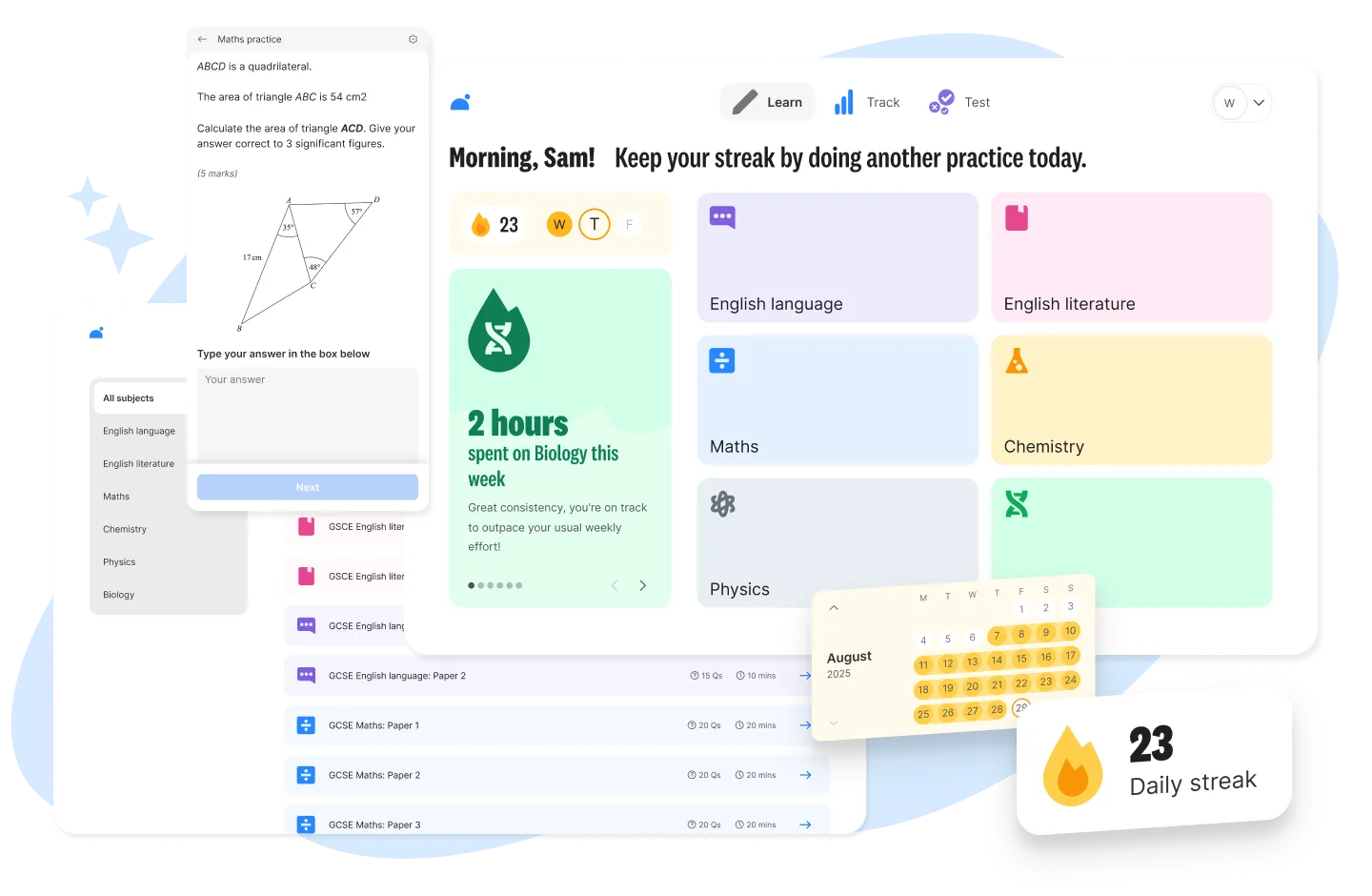
🔮 GCSE practice papers based on our team's 2026 exam predictions
🎓 Guided courses that cover all the topics on your exams
✍️ Instant feedback that tells you where you’ve gained and lost marks
📈 Predicted GCSE grades and topic-by-topic tracking
Create your free account and start making real progress today.