

The top 10 qualities of a good tutor

Private tuition is more popular than ever, with over 100,000 tutors now offering their services in the UK. But with no formal regulation, choosing the right tutor can feel like searching for a needle in a haystack.
So how do you know if a tutor is the right fit for your child?
Whether you're looking for extra support in core subjects or exam preparation, here are 10 key qualities of a good tutor to help guide your decision and make sure your investment pays off.
1. Strong subject knowledge
A great tutor has a deep and accurate understanding of the subjects they teach. This ensures:
- Your child is learning information and topics that are aligned with the curriculum or exam board
- Lessons go beyond surface-level facts to deepen your child’s understanding and reasoning skills
- The tutor can answer follow-up questions confidently and clearly
Look for tutors with strong academic backgrounds, relevant qualifications and familiarity with school expectations.
2. A positive, personable approach
Tuition works best when there’s trust and rapport between the tutor and the student. A personable tutor will:
- Make your child feel relaxed, respected and listened to
- Build a safe learning environment where questions are welcomed
- Adapt their tone and energy to keep your child engaged and motivated
A good personality fit is just as important as subject knowledge. Don’t be afraid to request a trial lesson!
3. Excellent communication skills
Clear communication helps both the tutor and student stay aligned. A skilled tutor will:
- Explain tricky topics and concepts in simple, age-appropriate ways
- Ask thoughtful questions to check your child’s understanding before moving onto the next topic
- Keep parents informed with regular, constructive feedback
You should feel confident that your tutor understands your goals, and that your child understands theirs.
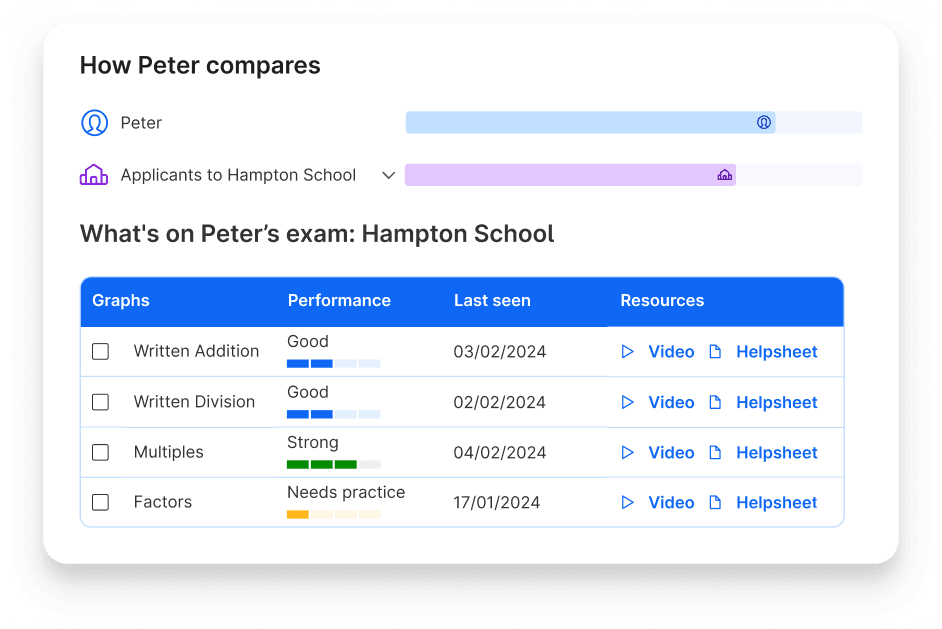
Stay on top of your child's progress with Atom Tuition. Our tutors integrate Atom's award-winning platform into teaching and learning, so you'll see if your child is on track to meet their goals.
4. Flexible and adaptive teaching
Every child learns differently. A flexible tutor can:
- Adjust their teaching methods to suit your child’s learning style (visual, auditory, hands-on, etc.)
- Change the pace and structure of sessions based on real-time needs
- Provide extra practice or extension work depending on progress
Flexibility is key to keeping your child both supported and challenged — the right balance for growth.
5. Patience and understanding
Learning doesn’t always click the first time, and that’s okay! A patient tutor will:
- Encourage your child to ask questions and try again without fear of ‘getting it wrong’
- Stay calm and supportive when your child finds something difficult
- Know when to slow down, revisit concepts, or change their approach
Patience creates a safe learning environment where confidence can flourish.
6. Motivation without pressure
Great tutors motivate children to take ownership of their learning. They’ll:
- Encourage curiosity and resilience, even when things get tough
- Set achievable goals that build confidence and momentum
- Use praise and feedback to help your child feel proud of their progress
They’ll also avoid creating dependency, helping your child grow into an independent and self-motivated learner.
7. High professional standards
You’re trusting a tutor with your child’s time, wellbeing and development. A professional tutor will:
- Arrive prepared, punctual and ready to teach
- Maintain appropriate boundaries and behaviour at all times
- Hold an enhanced DBS check and understand safeguarding best practice
They should also communicate with you respectfully and transparently, showing that your child’s success matters to them.
8. Genuine empathy and support
Empathy helps tutors connect on a deeper level. A tutor who shows empathy will:
- Recognise when your child feels frustrated, anxious or discouraged, and respond with care
- Encourage emotional as well as academic growth
- Be sensitive to your family’s needs and concerns
Children (and parents!) thrive when they feel understood. Empathy makes tutoring feel like a partnership.
9. Passion for their subject
A tutor who loves what they teach brings energy to every session. Their enthusiasm can:
- Make tricky topics more engaging and enjoyable
- Spark your child’s interest in subjects they previously found dull or difficult
- Encourage curiosity and a positive attitude toward learning
Passion is infectious. It can be the difference between “I have to study” and “I want to learn.”
10. Meaningful experience
Tutoring is a skill built over time. An experienced tutor will:
- Know how to explain concepts in multiple ways until they stick
- Be comfortable working with a range of learning needs and personalities
- Have strategies for dealing with common challenges (e.g. exam nerves, low confidence, gaps in foundational knowledge)
If your child has specific learning needs or is preparing for a particular exam, look for a tutor with relevant experience or training.