Choosing where to revise for your GCSEs is harder than it looks, and with so many platforms promising better grades, it is difficult to know which one will actually move yours.
This guide gives you a clear, honest comparison of Atom Home and Seneca, two of the most widely used GCSE revision platforms in the UK, so you can spend your time revising rather than researching. Whether you are already using Seneca and wondering what else is out there, or starting from scratch, here is everything you need to make the right call.


Atom Home vs Seneca: the learning experience
Atom Home and Seneca are built around different ideas about what revision is for. Understanding that difference is the fastest way to work out which one suits you.
Free courses or exam practice?
Seneca is one of the best-known revision platforms in the UK, with more than 1.5 billion questions answered on it to date. Its base version is genuinely free: over 600 courses matched to exam board specifications across GCSE and A Level, with no subscription required. Premium packages start from £6.99 a month and add 800+ premium courses and e-books, plus Seneca's Smart Learning and Wrong Answer modes.
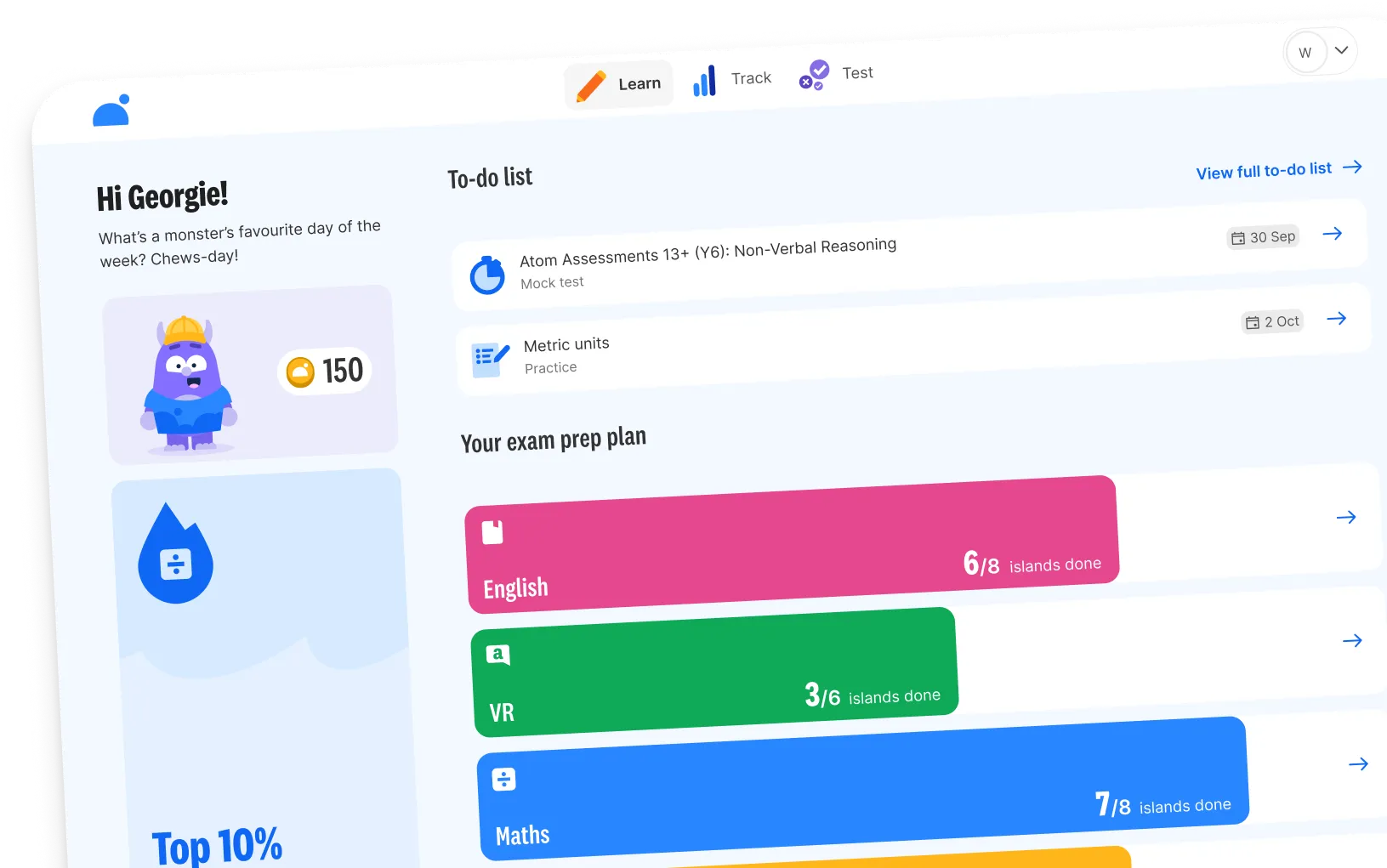
Atom Home works differently. Rather than a library of courses to work through, it builds a revision plan around your subjects, your exam boards and your exam dates, then puts full-length predicted papers at the centre of it — marked instantly against genuine exam-board mark schemes, with feedback showing exactly where marks were won and lost.

What happens between sessions
On Seneca, momentum comes from the platform itself. XP, weekly streaks, regional school leaderboards and the memory palace are designed to keep you logging back in, and for a lot of students that works. It is one of the few revision tools teenagers open without being told to.
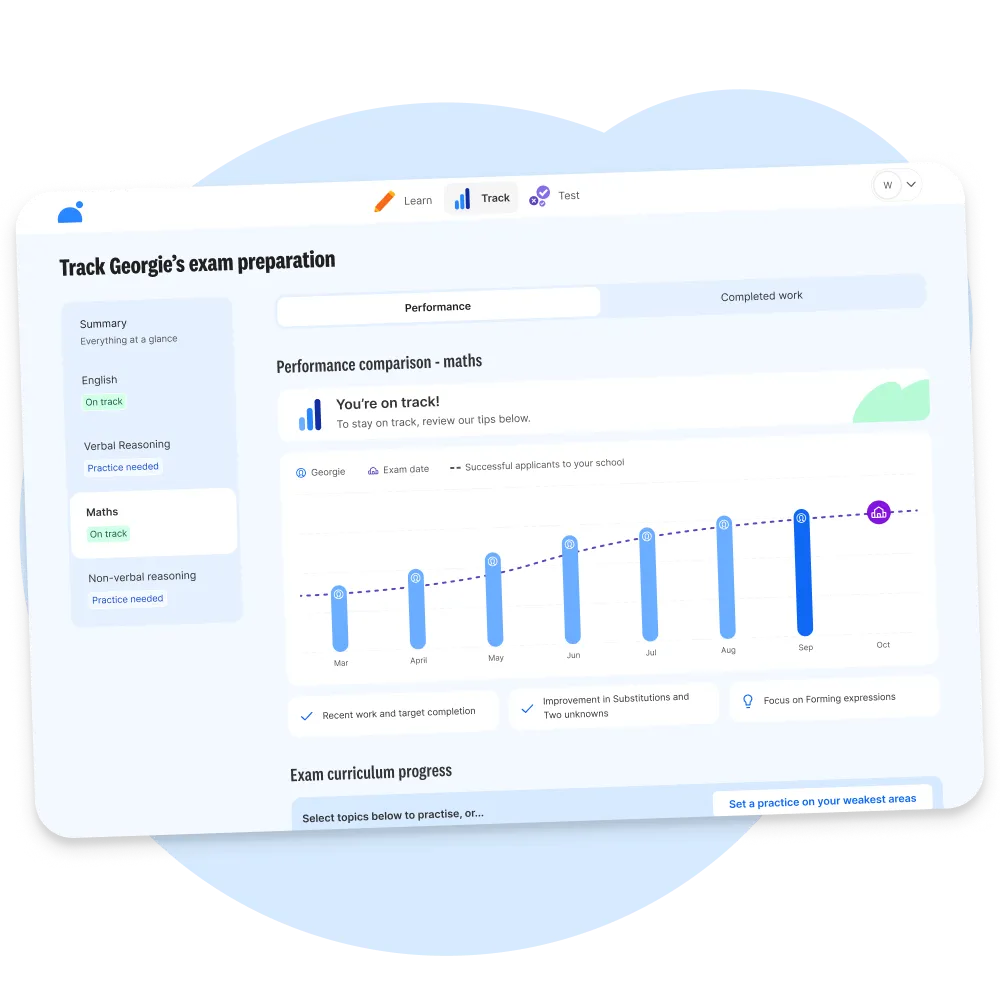
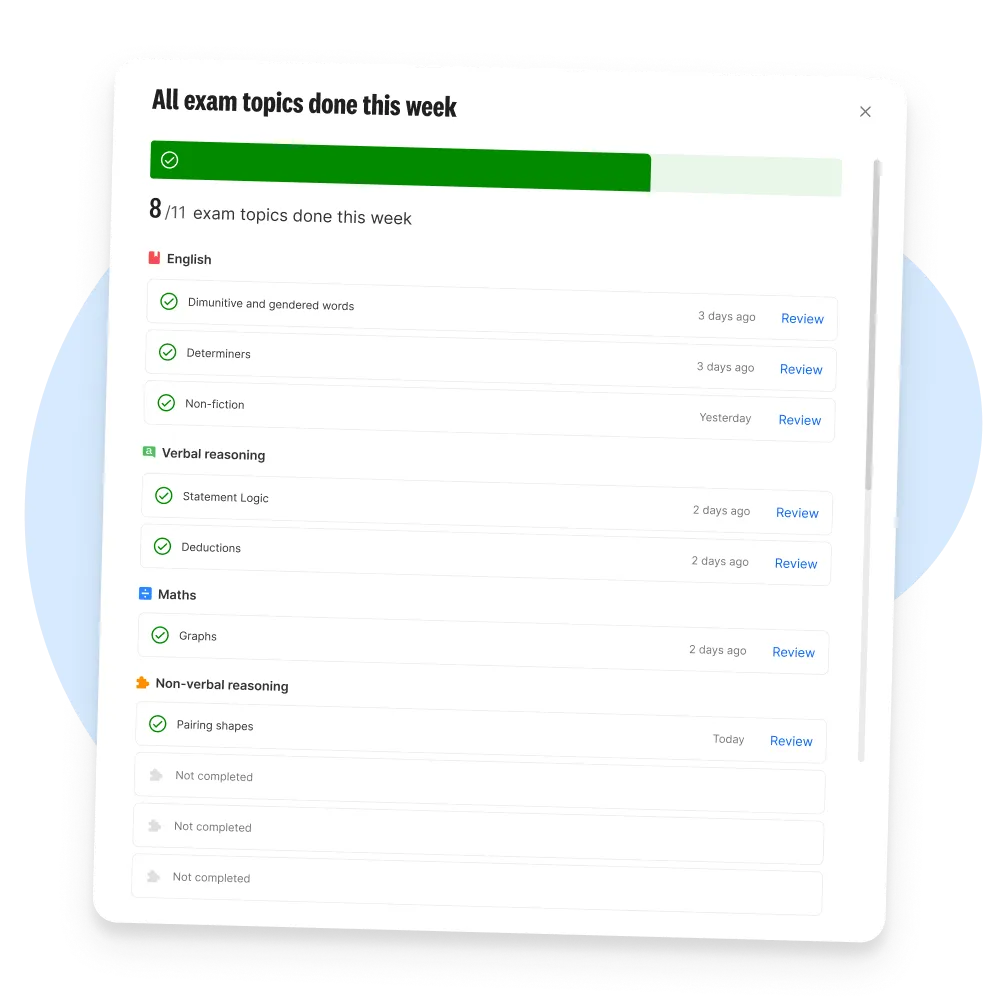
What Seneca does not tell you is how close you are to the grade you want. Atom Home is built around that question. Every practice paper you complete updates a predicted grade against real grade boundaries, alongside a topic-level view of which parts of each specification are solid and which are not. What you do next is shaped by that, rather than by how much XP you earned last week.
Revision tool or exam preparation platform
This is the central difference between Atom Home and Seneca. Seneca is very good at getting content into your head: short questions, spaced repetition and wrong-answer drilling, wrapped in a format that makes revision feel less like work. Atom Home is built for the other half of the problem — proving you can get the marks back out under exam conditions.
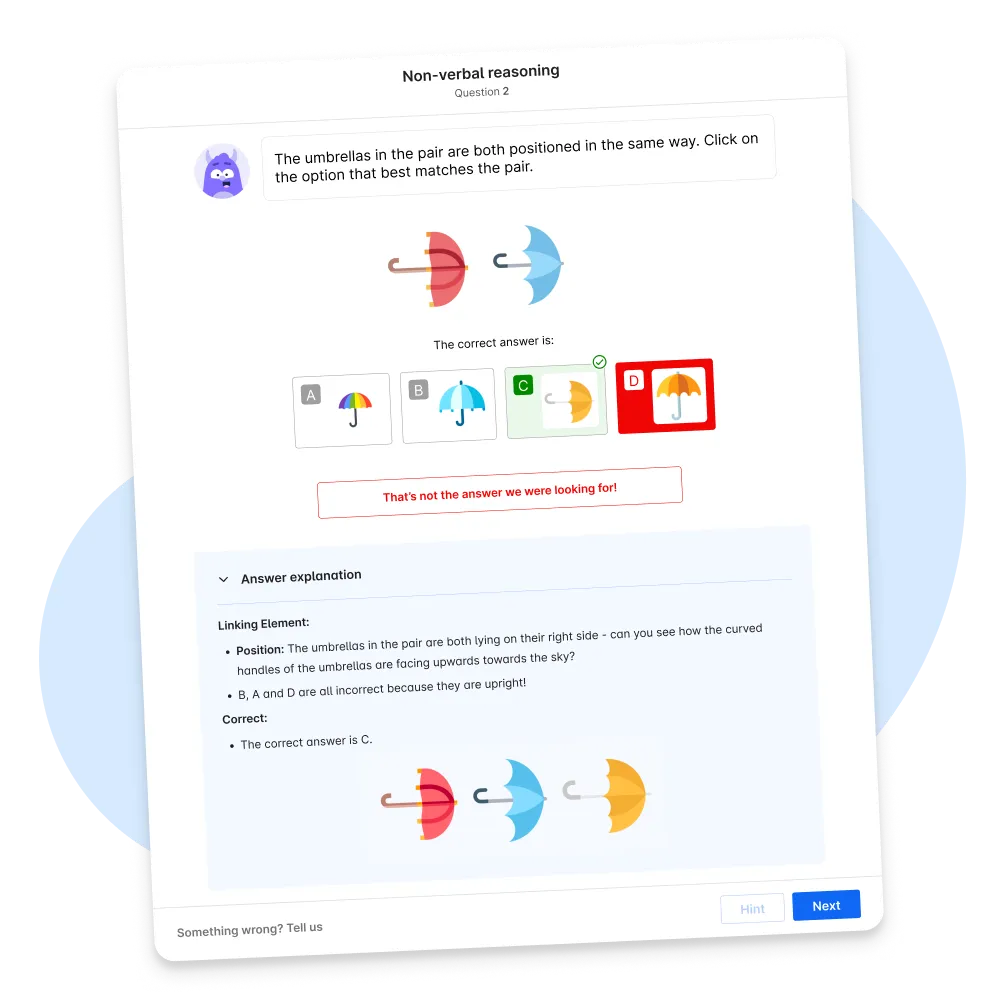
Seneca's mini-mock exams are assembled from your study history. Atom Home's are full-length predicted papers in the format of the real thing, sat end to end, with the timing and stamina that involves. If you know your content but keep dropping marks in the exam itself, that is the gap worth closing.
Free courses or exam practice?
Atom Home works differently. Rather than a library of courses to work through, it builds a revision plan around your subjects, your exam boards and your exam dates, then puts full-length predicted papers at the centre of it — marked instantly against genuine exam-board mark schemes, with feedback showing exactly where marks were won and lost.
What happens between sessions
What Seneca does not tell you is how close you are to the grade you want. Atom Home is built around that question. Every practice paper you complete updates a predicted grade against real grade boundaries, alongside a topic-level view of which parts of each specification are solid and which are not. What you do next is shaped by that, rather than by how much XP you earned last week.
Atom Home cost vs Seneca: what do you get for your money?
Monthly cost
Seneca is the cheaper option by a wide margin, and it is worth being straight about that. The base platform is free, with no time limit. Premium comes in three packages, each available monthly, seasonally or annually: Supreme from £6.99 a month, Exam Boost from £8.99 a month, and the Amelia AI Assistant package from £14.99 a month. The Seneca Guarantee — your money back if you complete every relevant course and do not achieve all 7–9s — is an extra £5.99 a month.
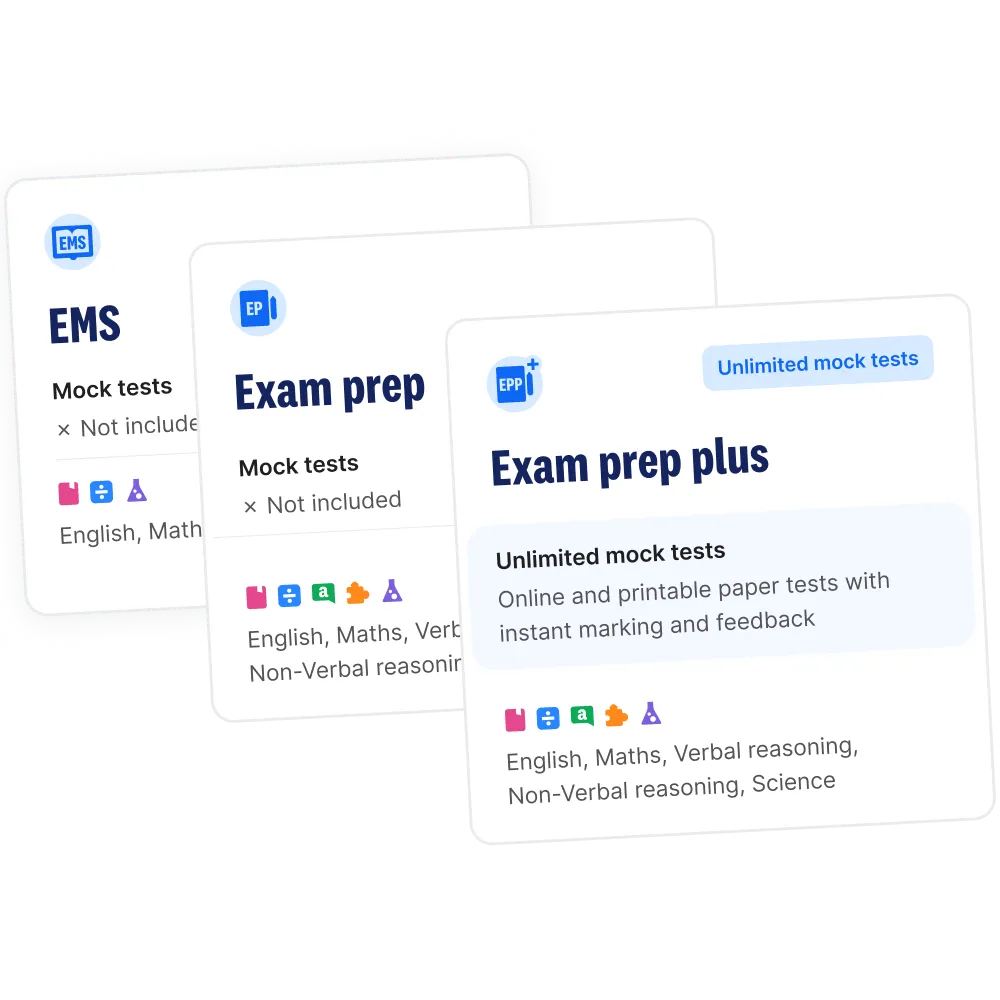
Atom Home plans start at £39.99 a month for English, maths and science. Exam Prep is £59.99 a month, and Exam Prep Plus, which includes unlimited mock tests with instant marking, is £69.99 a month. Annual plans save 20%, bringing Exam Prep Plus down to £55.99 a month, billed at £671.90 a year.

What's included?
Seneca's free tier gives you course content across your subjects, with cram mode capped at 20 questions at a time. Premium lifts that cap and adds more than 20,000 open-ended exam questions with AI marking, quiz mode, and mini-mock exams built from your study history. The top package adds an AI assistant that gives feedback on your mock answers.
Every Atom Home plan includes unlimited practice questions, AI marking, an AI tutor, and a performance dashboard showing predicted grades, topic strengths and gaps, and progress over time. Full-length mock tests are the dividing line between plans: they are included on Exam Prep Plus, but not on English, maths and science or on Exam Prep.
Monthly cost
Atom Home plans start at £39.99 a month for English, maths and science. Exam Prep is £59.99 a month, and Exam Prep Plus, which includes unlimited mock tests with instant marking, is £69.99 a month. Annual plans save 20%, bringing Exam Prep Plus down to £55.99 a month, billed at £671.90 a year.
What's included?
Every Atom Home plan includes unlimited practice questions, AI marking, an AI tutor, and a performance dashboard showing predicted grades, topic strengths and gaps, and progress over time. Full-length mock tests are the dividing line between plans: they are included on Exam Prep Plus, but not on English, maths and science or on Exam Prep.
Atom Home vs Seneca: personalised revision
Both platforms adapt to you. They adapt to different things, and it is worth knowing which before you commit your revision time to either.
How each adapts to you
Seneca's Smart Learning Mode tells you what to learn and when, but it needs data first — it only comes into play once you have studied a course long enough for the platform to build a picture of you. Wrong Answer Mode brings back questions you have previously got wrong, which is spaced repetition done well. Both work at the level of course content.
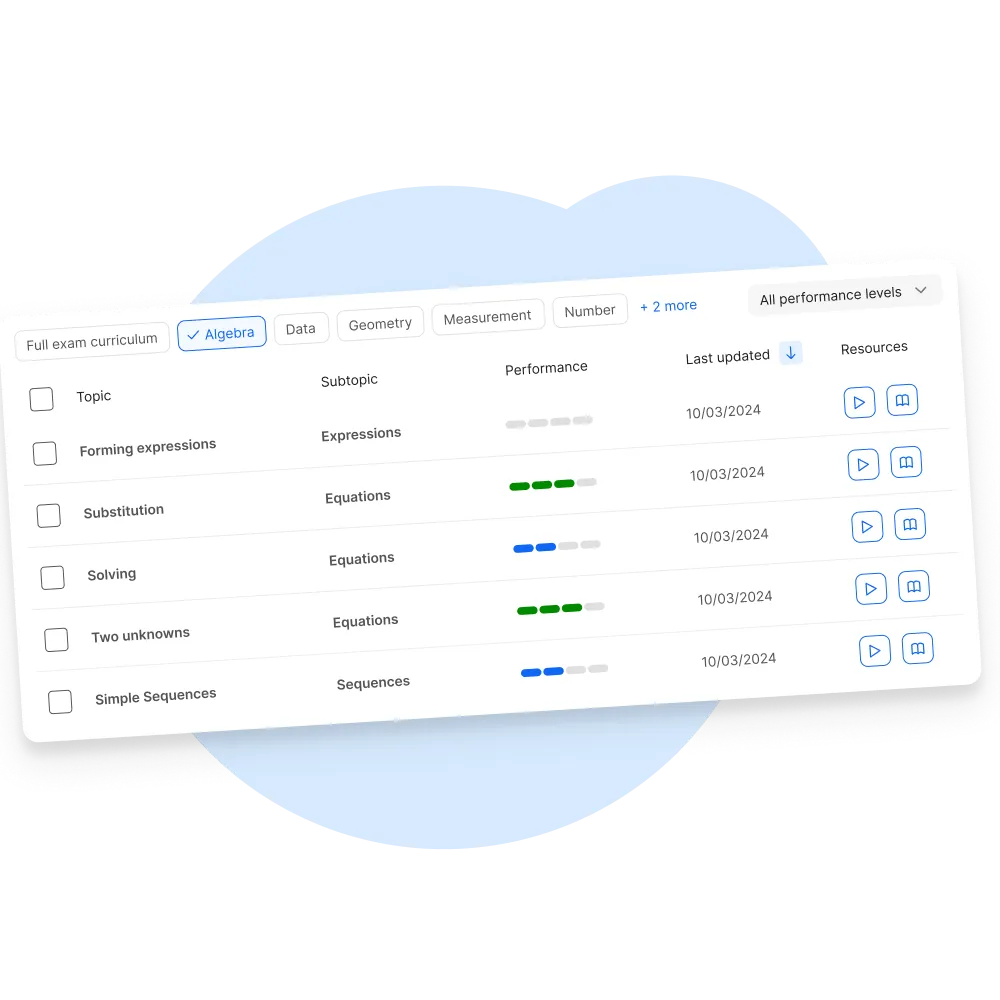
Atom Home adapts around your exam instead. You set your subjects, exam boards and exam dates, and the plan is built backwards from there. What you see next is driven by the topics where your papers show you are losing marks, not by how recently you last studied a section.
What happens when you get stuck
On Seneca, that depends on your package. Free and Supreme users get the course content and wrong-answer drilling. From Exam Boost upwards you get AI-marked exam questions, and the Amelia package adds an AI assistant that responds to your specific course and gives feedback on mock answers.
Atom Home includes an AI tutor on every plan, alongside annotations, flashcards and worked explanations. There is no tier at which you are left with the content on its own.
Practice papers
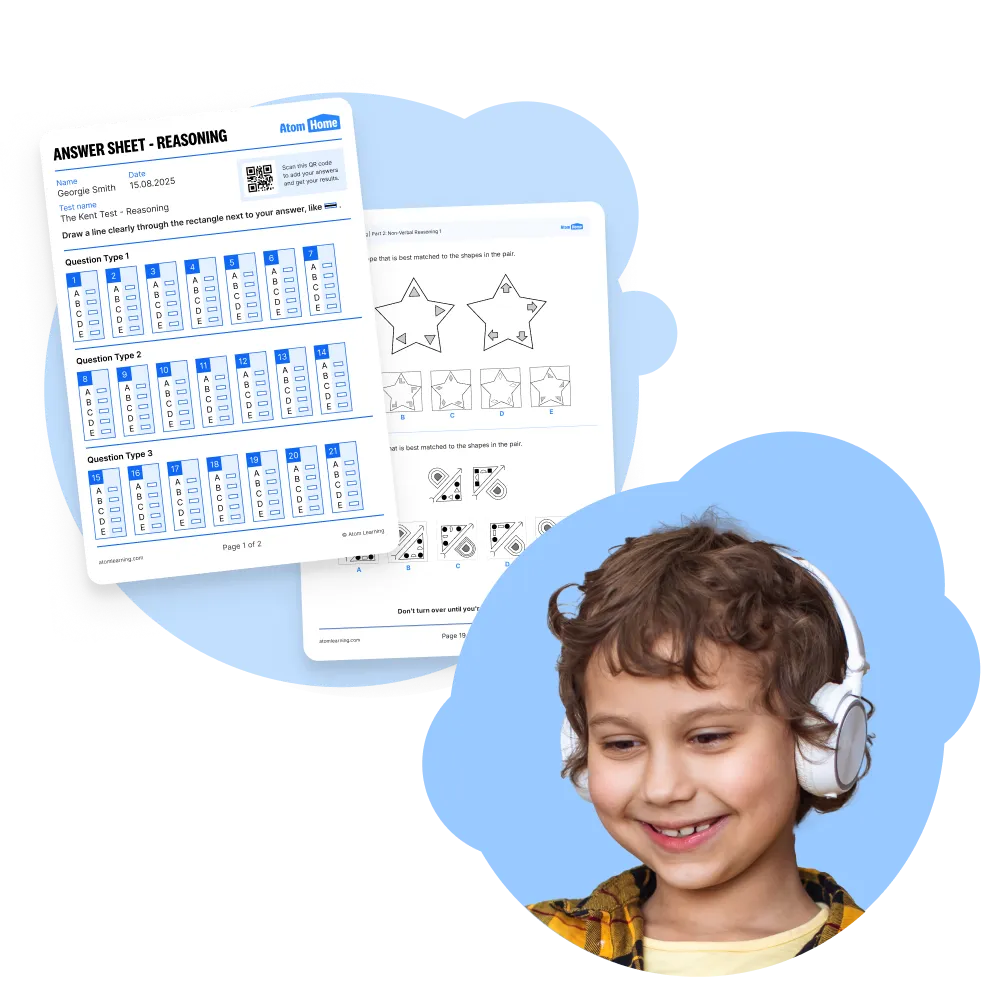
Seneca Premium includes Predicted Papers as part of its course library, plus mini-mock exams generated from what you have already studied. Atom Home's practice papers are full-length and built on real past-paper formats for your exam board, marked automatically against genuine exam-board mark schemes and reviewed by subject specialists and former examiners. On Exam Prep Plus they are unlimited, so you can sit a fresh paper as often as you want without working through the same questions twice.
How each adapts to you
Atom Home adapts around your exam instead. You set your subjects, exam boards and exam dates, and the plan is built backwards from there. What you see next is driven by the topics where your papers show you are losing marks, not by how recently you last studied a section.
What happens when you get stuck
Atom Home includes an AI tutor on every plan, alongside annotations, flashcards and worked explanations. There is no tier at which you are left with the content on its own.
Atom Home vs Seneca: tracking progress
What you can see
Seneca's dashboard is built around activity: XP earned this week, questions answered, total learning time, your position on a regional school leaderboard, and a memory palace tracking how much of each course you have covered. It tells you how much you have done.
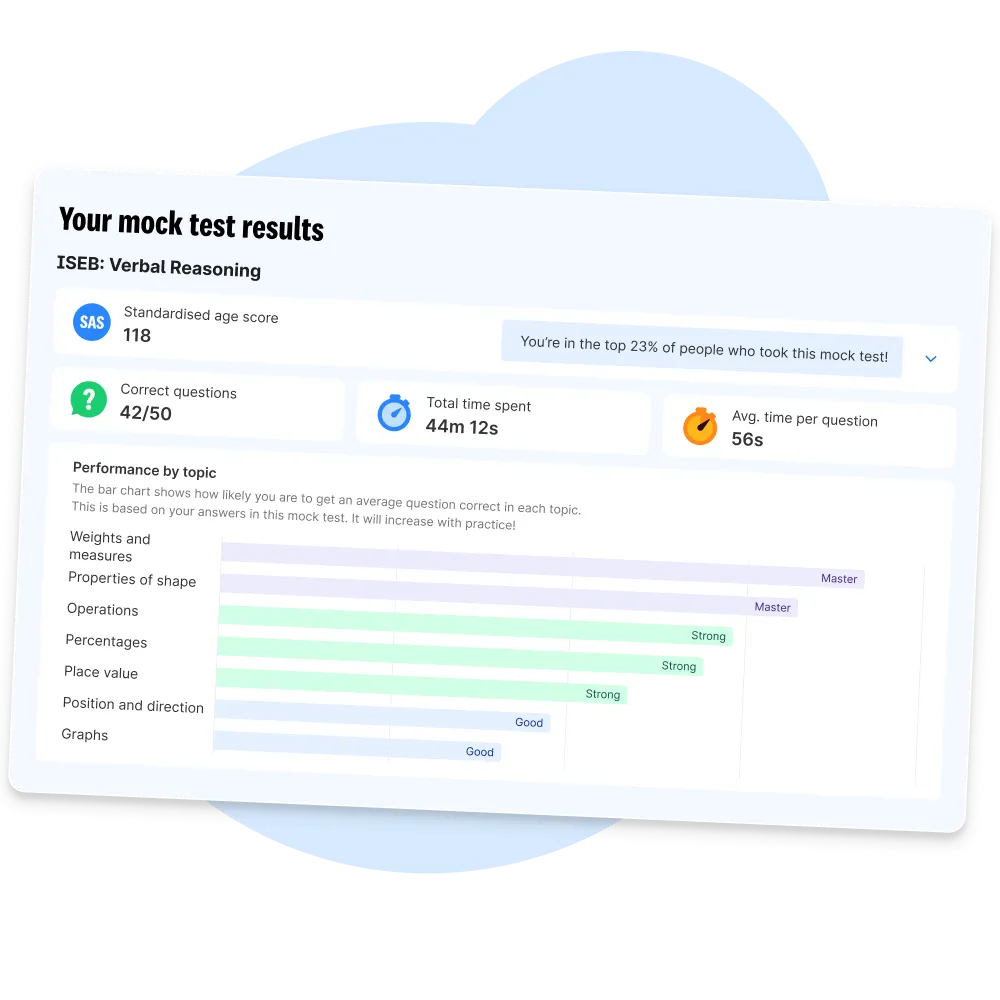
Atom Home's dashboard is built around outcome: a predicted grade for each subject, mapped to real grade boundaries, with topic-by-topic strengths and gaps underneath and progress plotted over time. It tells you where you currently stand.
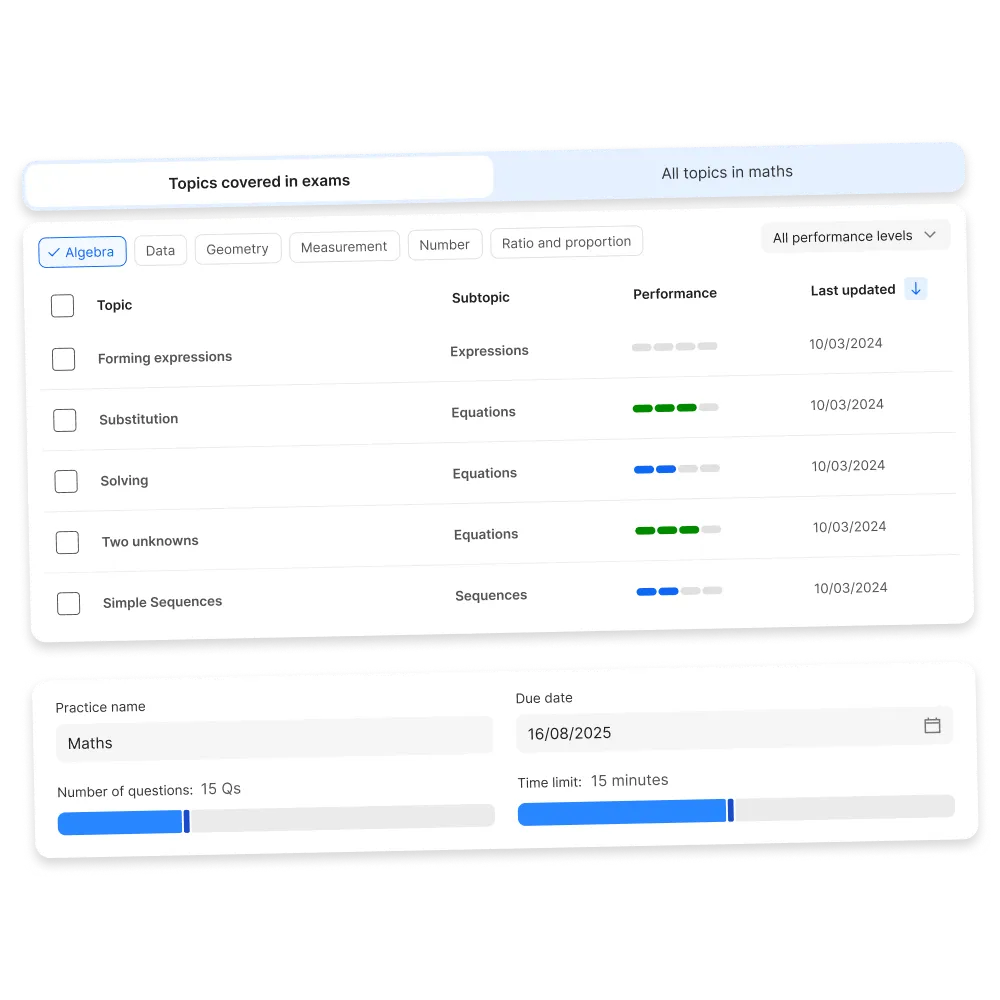
How progress is measured
That difference matters more than it first appears. Covering every course on a platform and answering a lot of questions is a reasonable measure of effort, but a weak measure of readiness. It is entirely possible to finish a full course, hold a long streak, and still lose marks on a six-mark question because nobody has shown you how one is marked.
Atom Home measures the thing you are actually assessed on — marks against a real mark scheme — and reports it back as a grade. If your predicted grade moves, your revision is working. If it does not, you know where to look.
What parents can see
Seneca runs a separate parent platform, and routes its pricing help through a Parent FAQs section: the expectation is that the student chooses the package and a parent pays for it. Atom Home's GCSE experience is written for the student, and the performance dashboard, predicted grades and topic breakdown are the same view wherever revision gets discussed. For a parent who wants to know whether revision is actually working, a predicted grade against real grade boundaries answers that faster than an XP total does.
What you can see
Atom Home's dashboard is built around outcome: a predicted grade for each subject, mapped to real grade boundaries, with topic-by-topic strengths and gaps underneath and progress plotted over time. It tells you where you currently stand.
How progress is measured
Atom Home measures the thing you are actually assessed on — marks against a real mark scheme — and reports it back as a grade. If your predicted grade moves, your revision is working. If it does not, you know where to look.
What parents can see
Seneca runs a separate parent platform, and routes its pricing help through a Parent FAQs section: the expectation is that the student chooses the package and a parent pays for it. Atom Home's GCSE experience is written for the student, and the performance dashboard, predicted grades and topic breakdown are the same view wherever revision gets discussed. For a parent who wants to know whether revision is actually working, a predicted grade against real grade boundaries answers that faster than an XP total does.
Atom Home vs Seneca: the verdict
Both platforms are well made, and millions of students have got through their GCSEs with Seneca. They are not really competing for the same job.
Where Seneca wins
Two things Seneca does that Atom Home does not. The first is breadth: Seneca carries subjects Atom Home has not built yet, Computer Science and Drama among them, so if your timetable includes those you will not find them here. The second is price — a free platform with 600+ courses is a real offer, not a trial, and no paid product makes that irrelevant.
If either of those is decisive for you, Seneca is the better answer and this page is not going to argue otherwise.
Which is right for you
If you want free, engaging revision content across a wide range of subjects, Seneca is hard to beat and nothing here should suggest otherwise. The base platform costs nothing, the course library is enormous, and the gamification genuinely keeps students coming back. For broad coverage on no budget, start there.
Atom Home is built for a narrower and later problem: you know the content reasonably well, you are not converting it into marks, and you want to know what grade you are actually on. One subscription gives you a revision plan built around your subjects, exam boards and exam dates, full-length predicted papers marked against genuine exam-board mark schemes, examiner-style feedback on where marks were lost, and a predicted grade that updates as you improve. Atom Home covers AQA, Edexcel, OCR and iGCSE, across up to twelve subjects depending on your board. If the gap between what you know and what you score is the thing holding your grades back, closing it is what Atom Home is for.
Where Seneca wins
If either of those is decisive for you, Seneca is the better answer and this page is not going to argue otherwise.
Which is right for you
Atom Home is built for a narrower and later problem: you know the content reasonably well, you are not converting it into marks, and you want to know what grade you are actually on. One subscription gives you a revision plan built around your subjects, exam boards and exam dates, full-length predicted papers marked against genuine exam-board mark schemes, examiner-style feedback on where marks were lost, and a predicted grade that updates as you improve. Atom Home covers AQA, Edexcel, OCR and iGCSE, across up to twelve subjects depending on your board. If the gap between what you know and what you score is the thing holding your grades back, closing it is what Atom Home is for.
Is Atom Home better than Seneca for GCSE revision?
Is Seneca good for GCSE?
What is Seneca Premium?
Is Seneca free?
How much does Atom Home cost compared to Seneca?
Does Atom Home have GCSE practice papers?
Does Atom Home give predicted grades?
Which exam boards does Atom Home cover for GCSE?
Can I use Seneca and Atom Home together?
Does Seneca have a parent dashboard?
We’re here to support you through your child’s 11+ journey.
Whether you want help building a revision plan, understanding exam content, or checking key dates, our team is happy to help.