
Your ultimate guide to Edexcel GCSE Geography

If you’re taking Edexcel GCSE Geography, this guide will walk you through exactly what to expect, from how the exam is structured to how to prepare confidently and effectively.
One important thing to know from the start is that Edexcel offers two different Geography GCSE courses: Geography A and Geography B.
They’re assessed differently and cover different topics, so it’s essential to know which one you’re studying.
If you’re unsure, check with your teacher before you start revising. Revising the wrong course is an easy mistake to make and can mean wasting valuable revision time.
Whether you’re just starting revision or getting closer to exam day, understanding the exam format, assessment objectives, and key topics will help you feel calm, confident, and in control.
Key takeaways
- Edexcel GCSE Geography is assessed through three exams, all taken at the end of Year 11
- There are two different courses: Geography A and Geography B
- Both courses assess physical geography, human geography, fieldwork, and geographical skills, but through different themes
- There is no coursework, but fieldwork knowledge is examined
- Grade boundaries change each year, but past data can help you set realistic targets
- Regular practice with exam-style questions and case studies is one of the most effective ways to improve your marks
What’s the format for Edexcel Geography GCSE?
For both Geography A and Geography B, the exam structure is the same:
- Three written exam papers
- 1 hour 30 minutes per paper
- Each pathway consists of Papers 1 and 2 (94 marks each) and Paper 3 (64 marks), making a total of 252 marks
- Each paper is worth 37.5%, 37.5%, and 25% of your final grade
- All exams are sat at the end of Year 11
- There is no non-exam assessment (coursework); your final grade is based entirely on exam performance
While the structure is the same, the content within the papers differs depending on whether you’re taking Geography A or Geography B.
What’s the difference between Papers 1, 2 and 3 for Edexcel Geography GCSE?
All three papers are important, but each one tests different content and skills.
Paper 1: Physical Geography (Geography A) / Global Geographical Issues (Geography B)
Paper 1 assesses the big physical and global themes, but the focus depends on your course.
Geography A: Physical Geography
This paper focuses on natural environments and physical processes.
You’ll be asked to:
- Explain physical processes and landforms
- Use case studies accurately
- Interpret maps, diagrams, photographs, and data
- Apply knowledge to unfamiliar contexts
This paper rewards clear explanations, strong case study detail, and confident use of geographical terminology.
Geography B: Global Geographical Issues
This paper focuses on major global challenges affecting people and environments worldwide and on how they are managed.
You’ll be expected to:
- Understand the causes and impacts of global issues
- Use case studies from different parts of the world
- Analyse data, maps, and graphs
- Evaluate different responses or solutions, not just describe them
For Geography B, examiners place slightly more emphasis on evaluation and decision-making, especially in longer-mark questions.
Paper 2: Human Geography (Geography A) / UK Geographical Issues (Geography B)
Paper 2 focuses on people, places, and how human activity shapes environments, but again, the content differs by course.
Geography A: Human Geography
This paper focuses on how people shape places and how those places affect people’s lives.
You’ll be asked to:
- Compare places and strategies
- Use real-world examples
- Explain and evaluate human impacts
- Structure longer answers clearly
This paper rewards balanced arguments, clear structure, and the use of specific examples.
Geography B: UK Geographical Issues
This paper focuses on the UK in depth, combining physical and human geography.
You’ll be asked to:
- Analyse UK landscapes and settlements
- Apply geographical skills to UK contexts
- Use fieldwork-related understanding
- Evaluate challenges and management strategies
This paper blends knowledge, skills, and application, so confident use of data and evidence is especially important.
Paper 3: Geographical Investigations (Both Geography A and B)
Paper 3 is the same for both Geography A and Geography B and focuses on applying geographical skills, rather than recalling large amounts of content.
This paper assesses:
- Physical fieldwork
- Human fieldwork
- Data presentation, analysis, and conclusions
You’ll be asked to:
- Interpret unfamiliar resources
- Analyse data and evidence
- Justify conclusions clearly
There is no coursework, but you’re assessed on your understanding of fieldwork methods, not on completing an investigation yourself.
This paper rewards clear reasoning, confident data handling, and well-structured answers, rather than memorised case studies.
Knowing which course you’re studying and how each paper works allows you to focus your revision on the right topics and the right skills, so every revision session counts.
Atom GCSE is coming!
Guided courses. Instant feedback. Built for the 2026 exams.
Join the waitlist now to be the first to get free, early access.

What are examiners looking for?
Edexcel examiners assess your work using three assessment objectives. In simple terms, they want to see that you can:
- AO1: Demonstrate knowledge and understanding of places, processes, environments, and issues
- AO2: Apply that knowledge to unfamiliar contexts and interpret information
- AO3: Analyse and evaluate geographical information, data, and evidence
To reach the top grades, examiners are looking for:
- Specific case study detail
Named places, facts, figures, and real examples, not vague descriptions. - Direct answers to the question
Always respond to the command word (for example: explain, compare, evaluate), as this helps you understand how to structure your answer and what the examiner expects to see. - Clear structure in longer answers
Examiners reward answers that are organised into clear points, each supported by evidence and explanation. Following a simple structure will help you stay focused on the question and make it easier for the examiner to award marks. - Evaluation, not just description
Higher-mark questions expect you to weigh up different ideas or strategies, not just describe them. This means using evidence to reach a justified judgement that directly answers the question.
What are the grade boundaries for Edexcel Geography GCSE?
It’s important to remember that the exact grade boundaries for your GCSE exams will change every year. Exam boards adjust grade boundaries after an exam, depending on the exam's difficulty and how the cohort performed.
This is so students don’t have an advantage or disadvantage because of the year they took the paper. For example, if your paper were harder, grade boundaries would be lowered so that a grade 5 reflects the same level of knowledge as in previous years.
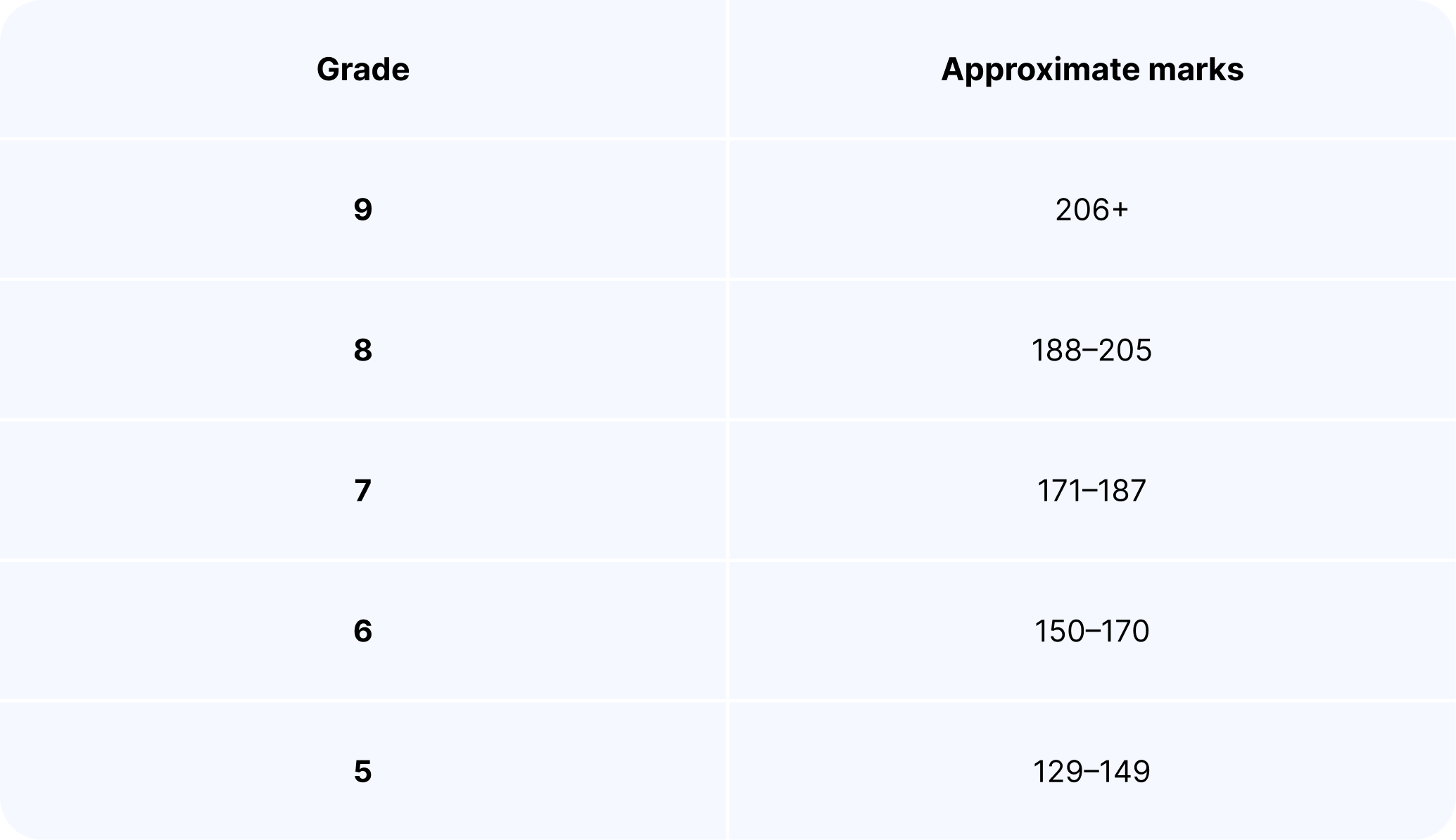
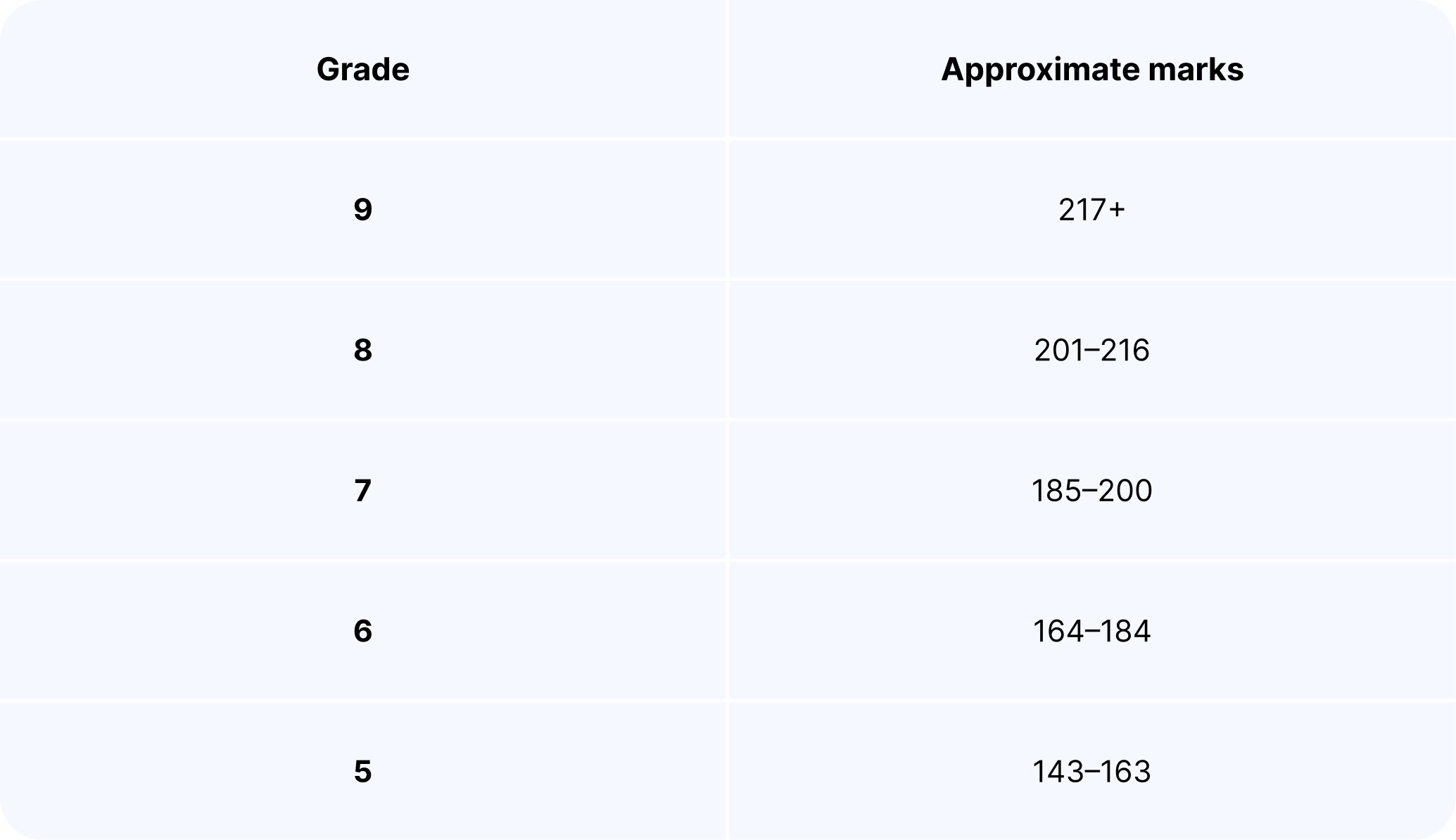
To give a sense of what to expect, here are the grade boundaries for Edexcel Geography GCSE from the last year:
Geography A:
Geography B:
What key topics do I need to know for Edexcel Geography GCSE?
This is where Geography A and Geography B differ most. Make sure you revise the correct course.
Geography A
Paper 1: The Physical Environment
- The changing landscapes of the UK
- Weather hazards and climate change
- Ecosystems, biodiversity, and management
Paper 2: The Human Environment
- Changing cities
- Global development
- Resource management
Geography B
Paper 1: Global Geographical Issues
- Hazardous Earth
- Development dynamics
- Challenges of an urbanising world
Paper 2: UK Geographical Issues
- The UK’s evolving physical landscape
- The UK’s evolving human landscape
- Geographical investigations
Paper 3 (both courses)
- Physical fieldwork
- Human fieldwork
- Geographical skills (maps, graphs, data analysis)
Where can I find past papers and mark schemes?
Practising with past papers and mark schemes is one of the most effective ways to prepare for GCSE Geography.
Past papers help you understand question styles, see how marks are awarded, and build confidence with real exam timing and structure.
Head to the Edexcel website to find past papers and mark schemes from previous GCSE Geography exams:
How can I prepare for Edexcel Geography GCSE?
Here are five practical ways to prepare confidently and improve your results.
1. Learn case studies properly
For each case study, make sure you know:
- Where it is
- Why it’s relevant
- Key facts and figures
- Causes, impacts, and management
Top tip: Practise applying the same case study to different questions.
2. Practise exam-style questions regularly
Knowing content isn’t enough, you need to practise using it!
- Answer short questions accurately
- Practise 6-, 8-, and 12-mark questions regularly
- Focus on timing and structure
Short, regular practice beats last-minute cramming.
3. Get confident with command words
Words like describe, explain, compare, and evaluate all require different answers.
Make sure you know:
- What each command word is asking
- How many points to include
- When a conclusion is needed
4. Use past papers and mark schemes together
Don’t just complete papers, learn from them.
- Plan answers before writing
- Compare your answers to the mark scheme
- Identify exactly where marks are gained and lost
This shows you what Edexcel actually rewards.
5. Practise geographical skills little and often
Skills appear across all three papers.
Practise:
- Reading OS maps
- Interpreting graphs and data
- Using figures and evidence in answers
The more familiar these feel, the calmer you’ll be in the exam.
Edexcel GCSE Geography isn’t about learning everything; it’s about learning the right things and using them well. With a clear plan and the right preparation, you’ll go into the exam calm, confident, and in control.
Save this guide and come back to it as you revise. You’ve got this 💪🌍