
GCSE English Literature breakdown: topics, learning objectives & sample questions

Whether you’re a student revising key texts, a parent supporting at home, or a teacher planning next term’s lessons, understanding what’s expected in GCSE English Literature is essential.
This guide breaks down the core topics, skills and assessment style for 2026, with practical examples and revision strategies to support confident preparation at home or in the classroom.
What this post covers:
- The core texts and themes for each exam board
- Learning objectives students need to meet
- Sample questions across all paper sections
- Useful revision strategies for home and school
Why English Literature matters for GCSE success
GCSE English Literature isn’t just about passing an exam, it’s about building skills that will help in school, work and everyday life. Studying different texts teaches students how to understand big ideas, think carefully about what they read, and explain their views clearly in writing.
These skills are useful for many A-level subjects like History, Sociology and English, and they’re also valued in careers such as law, journalism, teaching, marketing and the creative industries.
Along the way, students gain a better understanding of different times, cultures and perspectives, helping them grow in confidence and empathy, qualities that last well beyond exam day.
Core topics by exam board
All GCSE English Literature courses cover a Shakespeare play, a 19th-century novel, a modern text, and a selection of poetry. However, the specific set texts and anthology themes vary between exam boards. Here’s an overview of the most commonly studied options:

Key learning objectives
Students are assessed not just on knowledge of the texts, but on how well they can apply key skills.
Across all exam boards, they need to be able to:
- Analyse how writers use language, form and structure
- Explore themes, ideas and character development
- Show awareness of context (historical, social, cultural)
- Use evidence effectively in written responses
- Compare texts, especially poems, in a clear, structured way
These objectives inform both teaching and revision, helping students approach essay questions with precision.
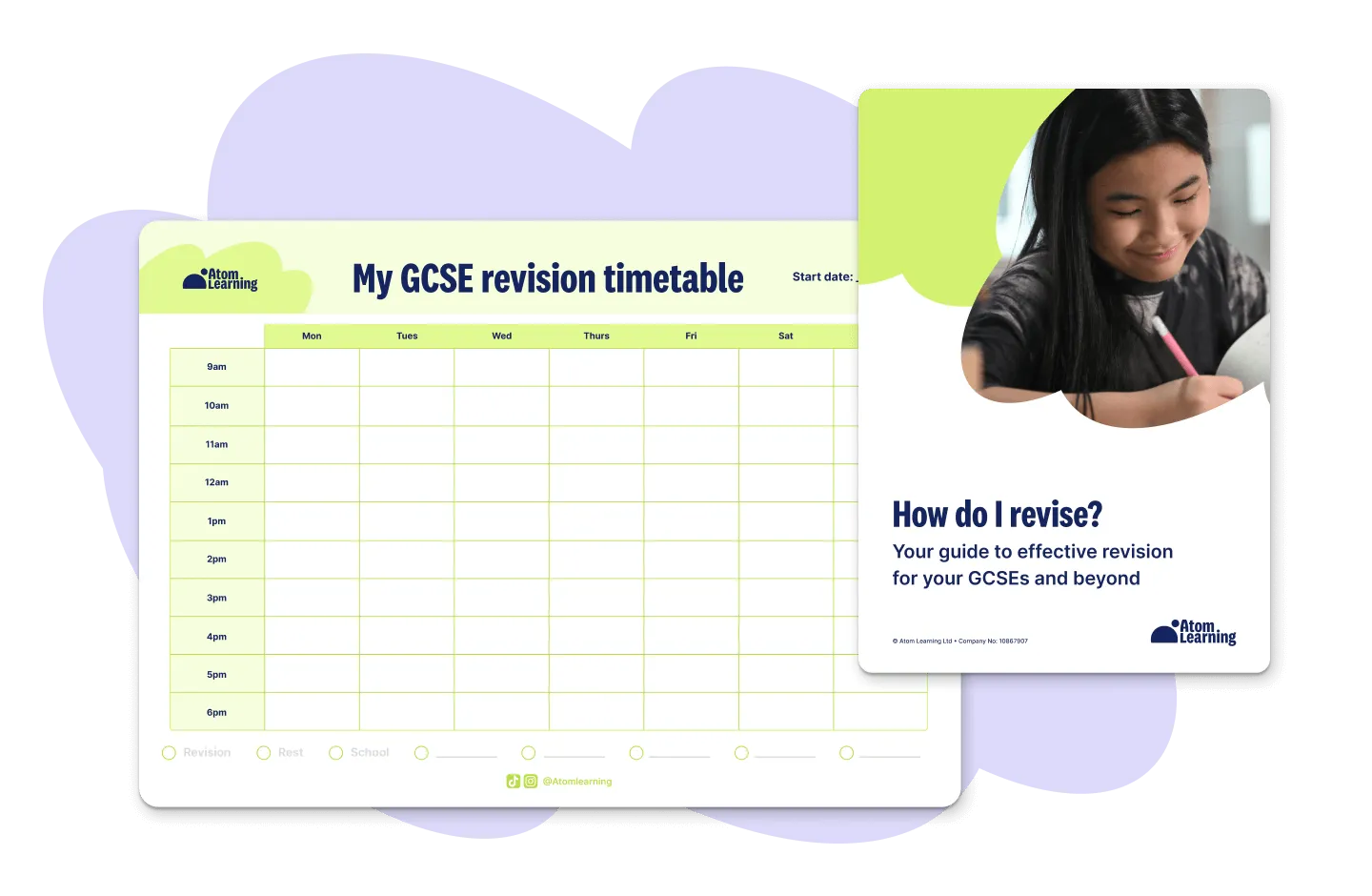
Download your free GCSE revision planner
Less stress, more success! Get your free GCSE revision planner and our handy guide to effective revision today.

Sample questions by paper
These examples give a flavour of the types of questions students will face. Parents can use them for discussion or timed practice, and teachers can adapt them for planning and assessment.
Shakespeare
AQA – Macbeth
Starting with this extract, explore how Shakespeare presents ambition in the play.
- How is ambition shown in the extract?
- How is ambition shown in the play as a whole?
How to revise at home: Parents can help by encouraging students to focus on a few key scenes where ambition plays a major role. Act 1 Scene 7 (Macbeth’s dilemma) and Act 2 Scene 2 (after Duncan’s murder) are essential.
Read these scenes aloud together and discuss what characters are thinking and feeling.
19th-century novel
Edexcel – A Christmas Carol
How does Dickens present Scrooge’s character as changing throughout the novel?
Support at home: Encourage students to use short, embedded quotes and link changes in character to themes like redemption and social justice.
Modern text
OCR – An Inspector Calls
How does Priestley use the Inspector to explore social responsibility?
Classroom idea: Use role-play or debate to explore different characters’ attitudes and how they reflect 1940s and Edwardian values.
Poetry anthology
AQA – Power and Conflict:
Compare how the theme of power is presented in ‘Ozymandias’ and one other poem.
Revision strategy: Create comparison tables linking form, tone, and language devices across paired poems.
Unseen poetry
Generic:
How does the poet present feelings of loss in this poem?
Compare how two poets present conflict in their poems.
At home or school: Practise unseen poetry regularly. Focus on identifying tone, techniques and structure in the first reading.
Supporting effective revision
Successful English Literature revision is about more than memorising quotes. Here’s how families and teachers can support effective preparation:
For parents:
- Help structure revision time and reduce overwhelm
- Encourage reading around the texts; context matters
- Discuss characters and themes informally (e.g. at dinner)
For teachers:
- Use retrieval tasks and knowledge organisers to reinforce themes
- Focus on high-leverage writing skills (thesis statements, embedding evidence)
- Integrate practice questions with feedback loops
For students:
- Use flashcards for quotes and literary terms
- Practise comparing poems and writing timed essays
- Record yourself explaining characters/themes aloud
Bringing it all together for English Literature GCSE success
With the right strategy and tools, English Literature revision doesn’t need to be stressful. Whether you’re analysing poetry at school or revisiting a novel at home, consistent practice and clarity on what’s assessed make all the difference.
Take control of your GCSE revision

Everything you need for GCSE success, in one place.
Feeling confident about your GCSEs comes from knowing what to revise, how to improve, and where to focus next.
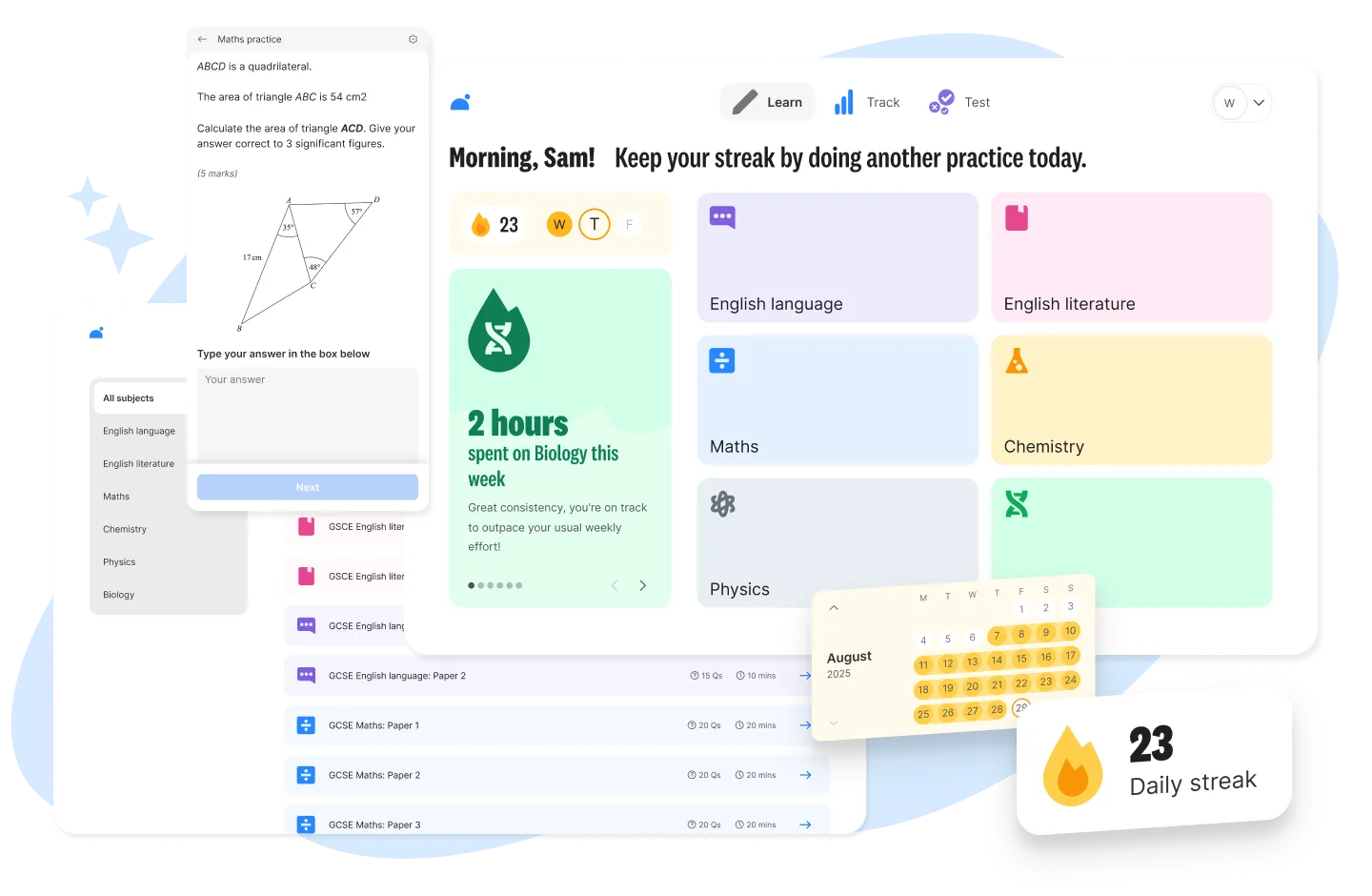
🔮 GCSE practice papers based on our team's 2026 exam predictions
🎓 Guided courses that cover all the topics on your exams
✍️ Instant feedback that tells you where you’ve gained and lost marks
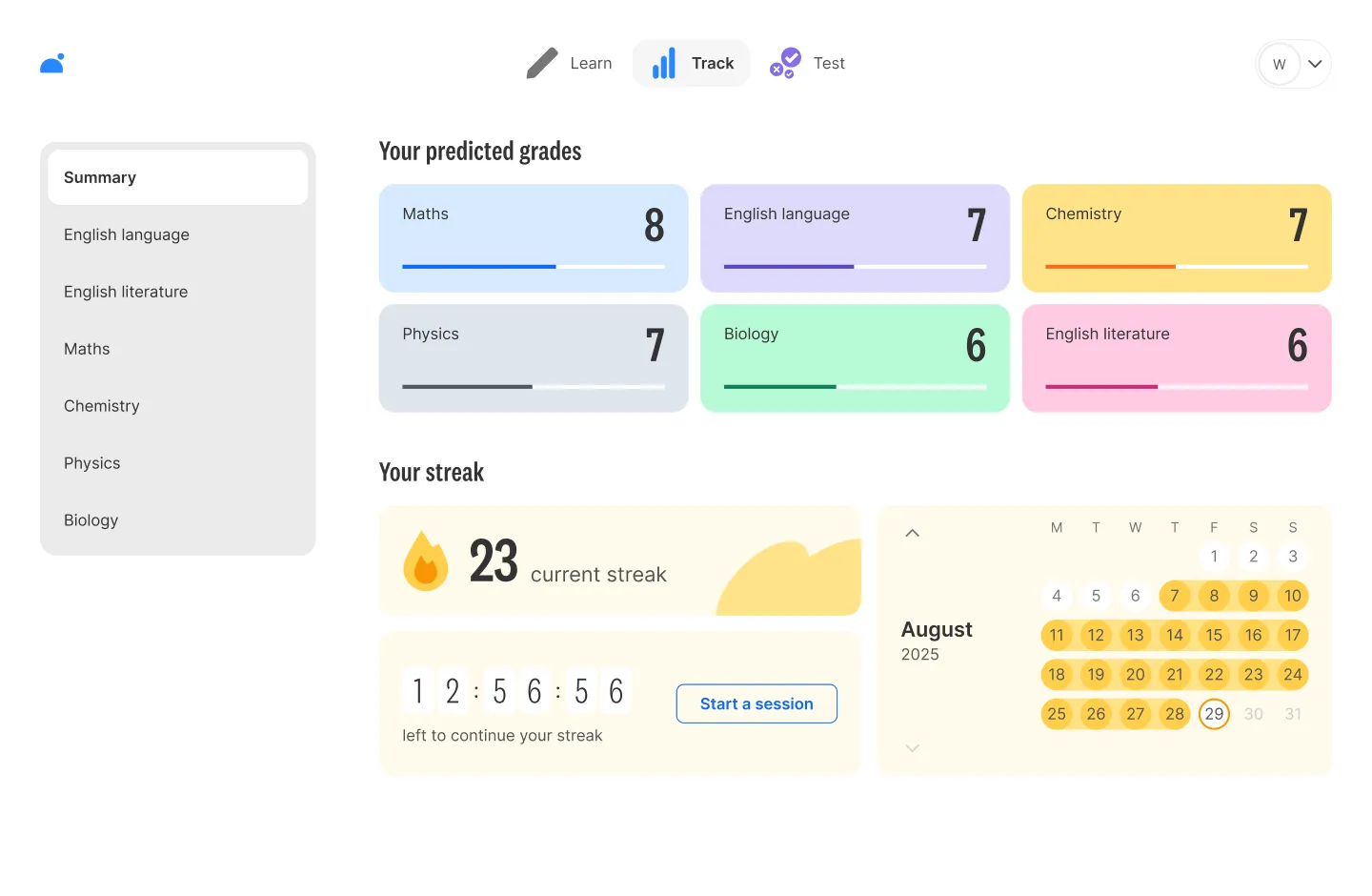
📈 Predicted GCSE grades and topic-by-topic tracking
Create your free account and start making real progress today.