What are the grade boundaries for Edexcel International GCSE English Literature?
It's worth remembering that the exact grade boundaries change every series. Pearson sets them after the exam has been sat, adjusting for how difficult that particular paper was and how the whole cohort performed, so results stay fair no matter which series you sit.
Pearson publishes the full, up-to-date thresholds for both routes on the Pearson Qualifications website after every series. Treat last year's figures as a rough sense of what a strong grade looks like, not as this year's exact target.
What texts will I study?
Your school selects your set texts from Pearson's approved lists, which are reviewed periodically. Across the course, you'll typically study:
- A modern prose text, such as a novel written in the last 100 years or so.
- A modern drama text, often a well-known play from a shortlist that has included titles like An Inspector Calls.
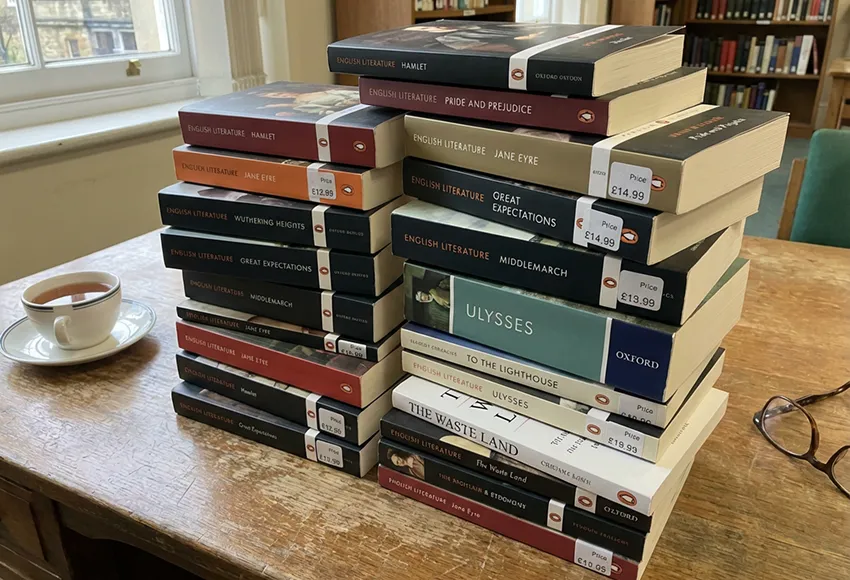
- A literary heritage text, an older classic, sometimes chosen from writers like Shakespeare or Jane Austen.
- The Edexcel poetry anthology, used for both the anthology and unseen poetry sections.
Your school chooses from an approved list that can change, so always confirm your exact texts with your teacher rather than relying on an old list.
How can I prepare for Edexcel International GCSE English Literature?
Here are 5 top tips to help your revision:
1. Master the unseen poetry section early
Unlike your other set texts, you can't pre-learn the poem in Section A. This section rewards a skill, not memorised knowledge, so it needs regular, separate practice.
- Practise annotating unfamiliar poems within a strict time limit, ideally 10 to 15 minutes.
- Ask yourself: what's the poem about, what's the tone, and how does the writer create that effect?
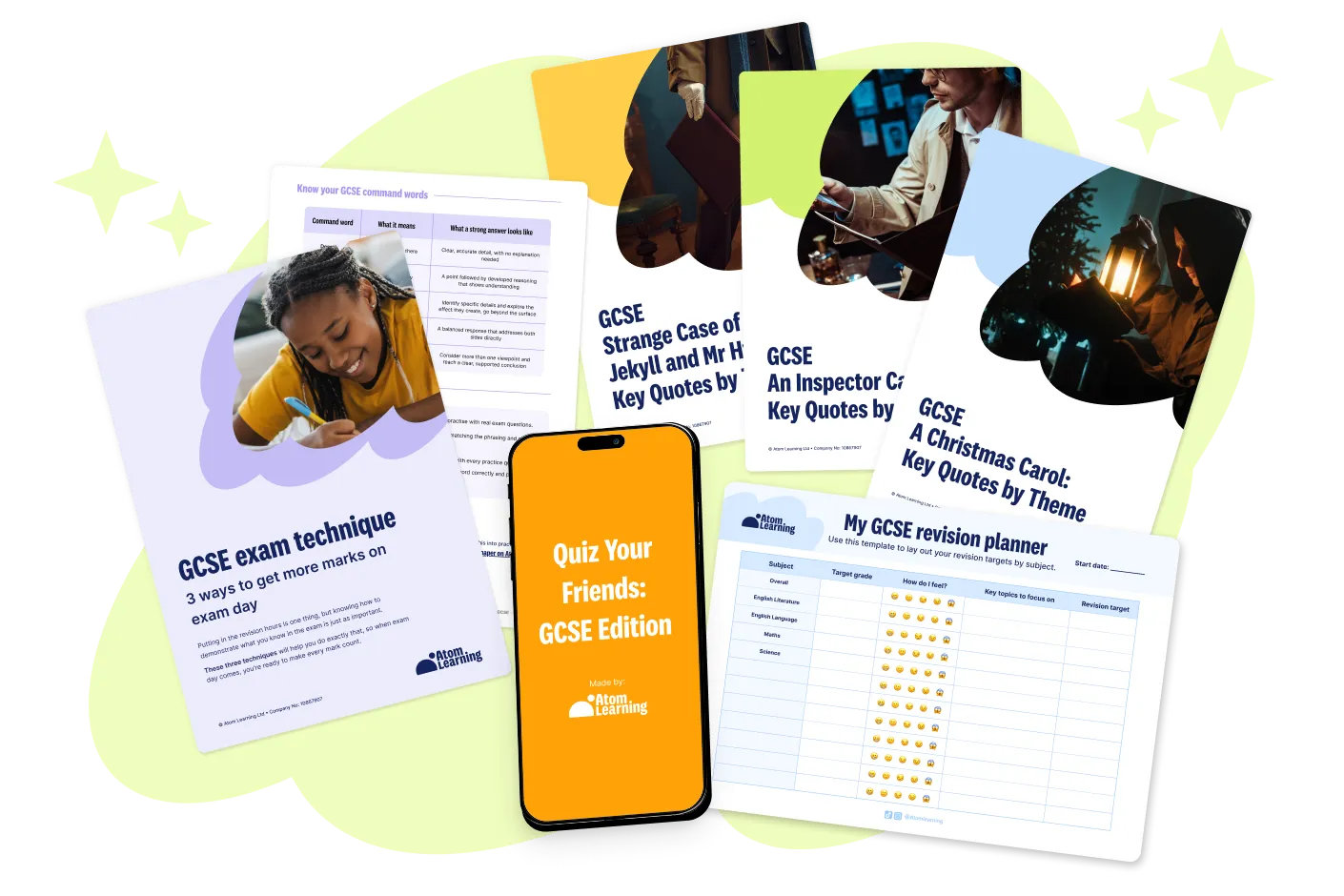
Top tip: Practise on poems you've genuinely never seen, not ones you've already studied in class. It's a different skill to trained recall. If you want a hand with the technique itself, Atom's free exam techniques guide walks through three ways to tackle any question with confidence, unseen poetry included.
2. Build a bank of flexible quotes, not a huge list
You don't need hundreds of quotes. You need a smaller number that can work across different questions.
- Choose 8 to 10 quotes per text that link to more than one theme.
- Practise using the same quote in two different sample answers, to see how flexible it really is.
Top tip: If a quote can only ever answer one type of question, it's less valuable than one that can stretch across several. Want a head start? Grab our free key quotes by theme resource and walk into your exam with the quotes that matter most already at your fingertips.
3. Learn how to structure a comparison answer
The anthology poetry section specifically rewards comparison, which is a different skill from writing about a single text.
- Structure your paragraphs around a shared theme, not poem by poem.
- Use linking language such as "similarly" or "in contrast" to show you're actively comparing, not just describing two poems separately.
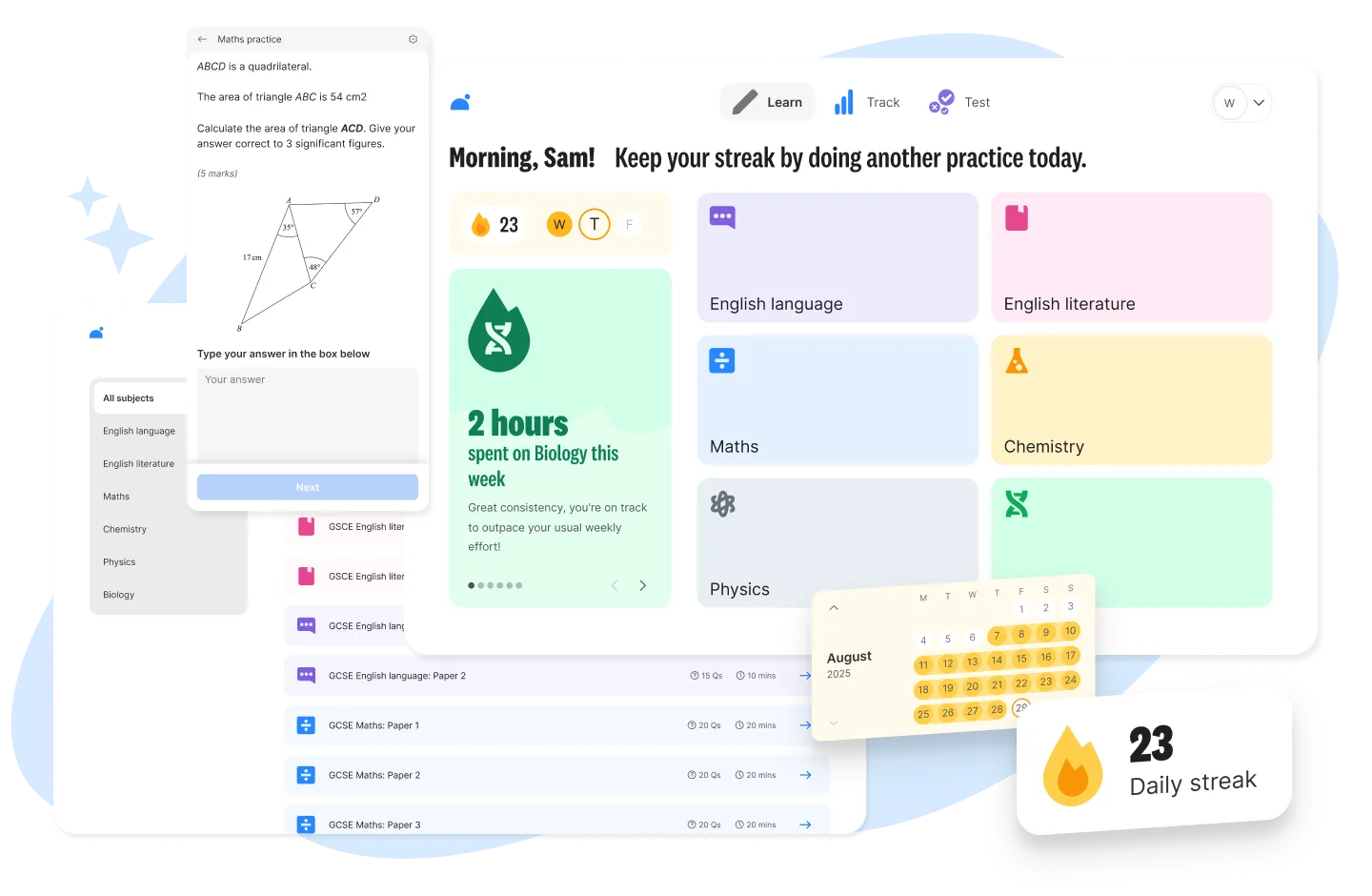
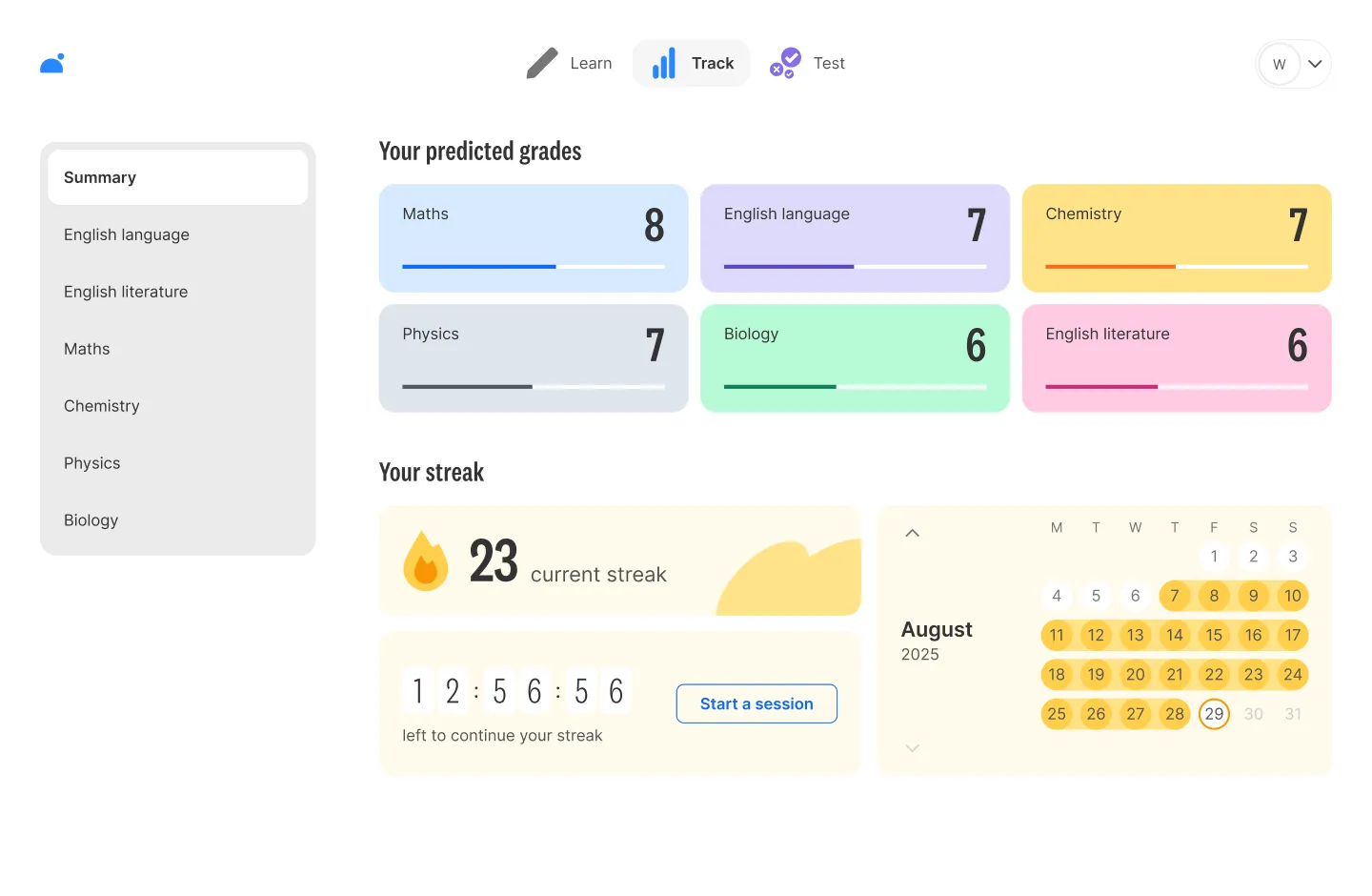
Top tip: Write one comparison paragraph a week using different poem pairings, so that you are confident with the skill by exam day. Atom's English Literature questions include comparison-style prompts, and its instant, examiner-style feedback will tell you if your comparison is coming through clearly or if you're still describing the poems side by side rather than connecting them, allowing you to improve every revision session.
4. Understand context, don't just memorise it
Context marks are often lost because students add a fact ("this was written in the Victorian era") without explaining why it matters to the text.
- For each set text, write one sentence linking a historical or social fact directly to a theme in the text.
- Practise weaving this into an essay paragraph, rather than saving it for a separate paragraph at the end.
Top tip: A well-used piece of context is worth more than three facts dropped in without explanation. This is one area where Atom's feedback is particularly useful, since it looks specifically at whether you've used context to support a point, rather than just mentioning it, and will tell you if a paragraph needs that extra link.
5. Time yourself on full exam sections
Component 1 in particular asks you to write three separate answers in one sitting, which takes real time management practice.
- Work out roughly how many minutes you should spend on each section, based on the marks available.
- Practise a full Component 1 paper under timed conditions at least once before the real exam.
Top tip: If you're consistently running out of time on Section C, you're likely spending too long on the unseen poem in Section A. Practise pacing, not just content. A full, timed Atom practice paper is a good way to rehearse this, since it mirrors the real structure of Component 1 and gives you a breakdown of where the time and marks went once you've finished.
Past papers and resources
Pearson publishes past papers, mark schemes and examiner reports for International GCSE English Literature (4ET1) on the Pearson Qualifications website. Working through these is the best way to see how questions are actually phrased.
For extra practice with the same essay and analysis skills, Atom gives you practice papers and instant, examiner-style feedback on every answer, so you can see exactly where you're gaining and losing marks. Take a look at our guide on how to get the most out of GCSE past papers for tips on using past papers effectively alongside your Atom practice.
You might also find our guide to English Literature key texts and what to memorise helpful for building your quote bank.
Once you know how the components fit together and what each section is really asking for, the rest of your revision has a clear shape to follow. Good luck.