
Back to blog

Edexcel IGCSE Religious Studies: your complete guide to the exam

By
Atom
|
September 2, 2026

Studying Edexcel IGCSE Religious Studies? Here's a full breakdown of the exam, so you know exactly what to expect.

If your school follows Pearson Edexcel, you're working towards International GCSE Religious Studies (4RS1). This guide walks you through how the papers are structured, what you'll be tested on, and how to prepare with confidence. Read on to find out more.

Key takeaways:

  • Edexcel IGCSE Religious Studies is graded on the 9 to 1 scale, with U for unclassified.
  • You'll sit two papers: Beliefs and Values, plus a paper on your school's chosen religious community.
  • You can study one of six religions for Paper 2: Buddhism, Christianity, Hinduism, Islam, Judaism or Sikhism.

What's the format of the Edexcel IGCSE Religious Studies exam?

You'll sit two papers. There are no Foundation or Higher tiers.

  • Paper 1: Beliefs and Values. 1 hour 45 minutes, worth 100 marks (60%).
    • You'll answer one question from each of four sections, with a mix of short, extended and longer synoptic answers.
  • Paper 2: The Religious Community. 1 hour 30 minutes, worth 60 marks (40%).
    • This paper focuses on the specific religion your school has chosen to study, with three sections and three questions in each.

Full details are in the official Edexcel International GCSE Religious Studies specification.

What are the grade boundaries for Edexcel IGCSE Religious Studies?

It's important to remember that the exact grade boundaries for your exams will change every series. Pearson sets them after the exam has been sat, based on how difficult the papers were and how the whole cohort performed.

Your final grade combines two separate papers, so there isn't one simple number to aim for. Pearson publishes the exact boundaries for every paper after each series on its grade boundaries page.

Use last series' boundaries as a general guide to what a strong performance looks like, not as a fixed target. Boundaries can move by several marks either way from one series to the next.

What are examiners looking for?

Pearson marks your answers across both papers on how well you can:

  • Show knowledge of religious beliefs, teachings and practices, including specific detail and, where relevant, references to sacred texts.
  • Explain religious ideas clearly, showing you understand the reasoning behind them, not just the facts.
  • Identify and explain different viewpoints on religious and moral issues, including within religions as well as between them.
  • Evaluate those viewpoints and reach a reasoned, well-supported conclusion of your own.

Ask your teacher for feedback on which of these areas your recent answers show you're weakest in, so you know what to work on next.

The fastest way to spot the gaps in your written answers is Atom, which gives you instant, examiner-style feedback on your practice answers, showing you exactly which areas you're losing marks on and what to do differently next time.

Past papers and resources

Pearson publishes past papers, mark schemes and examiner reports for International GCSE Religious Studies on its subject page. These are the best way to see exactly how questions are worded and how marks are awarded.

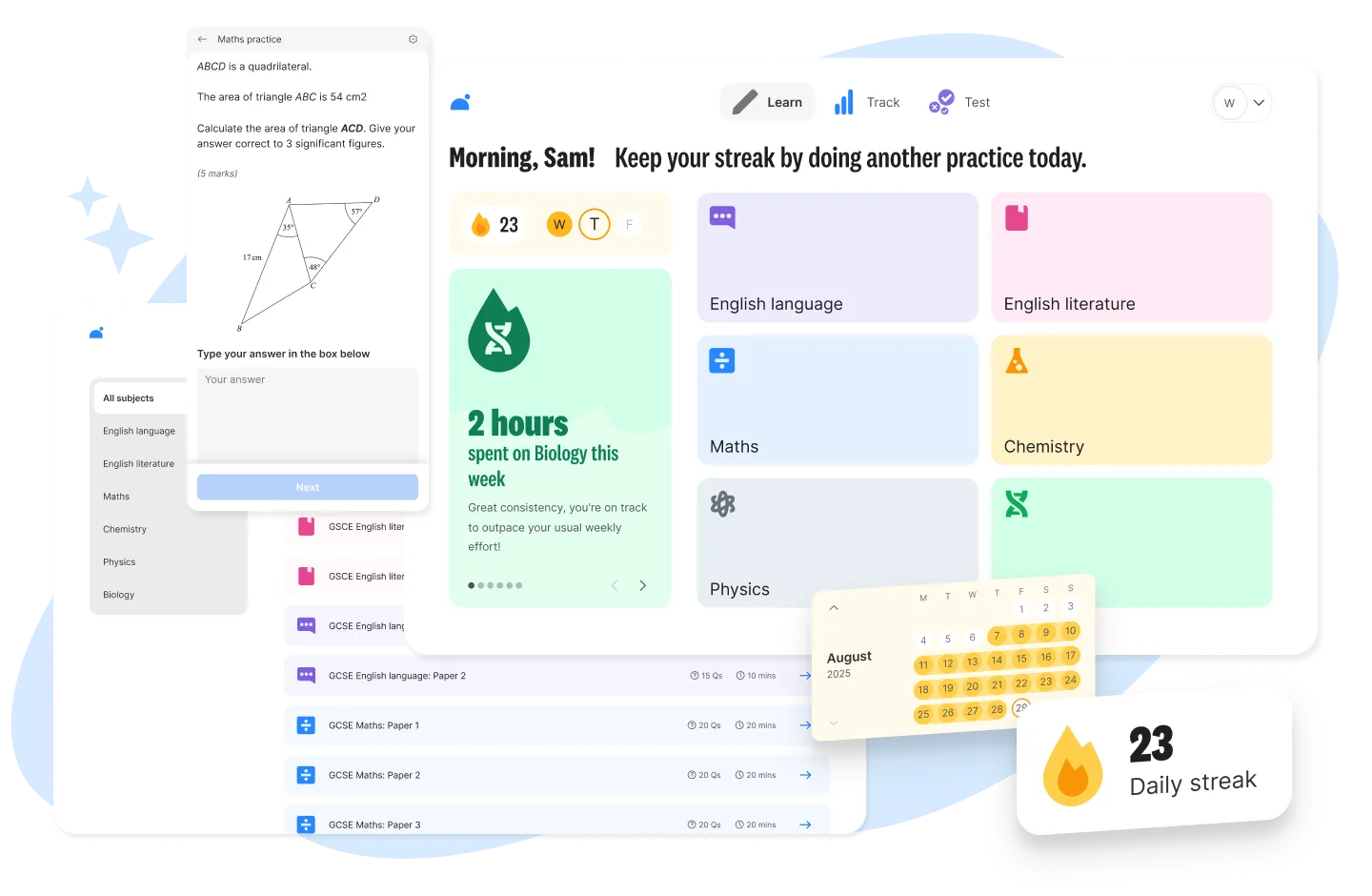
Since there's only a limited number of past papers available, Atom's team of experts analyse exam trends and data to build predicted papers, giving you extra practice on the kind of questions likely to come up once you've worked through the official ones.

Take a look at our guide on how to get the most out of GCSE past papers to make sure you're getting the most out of both.

Not sure where to start with revision? We've got you.

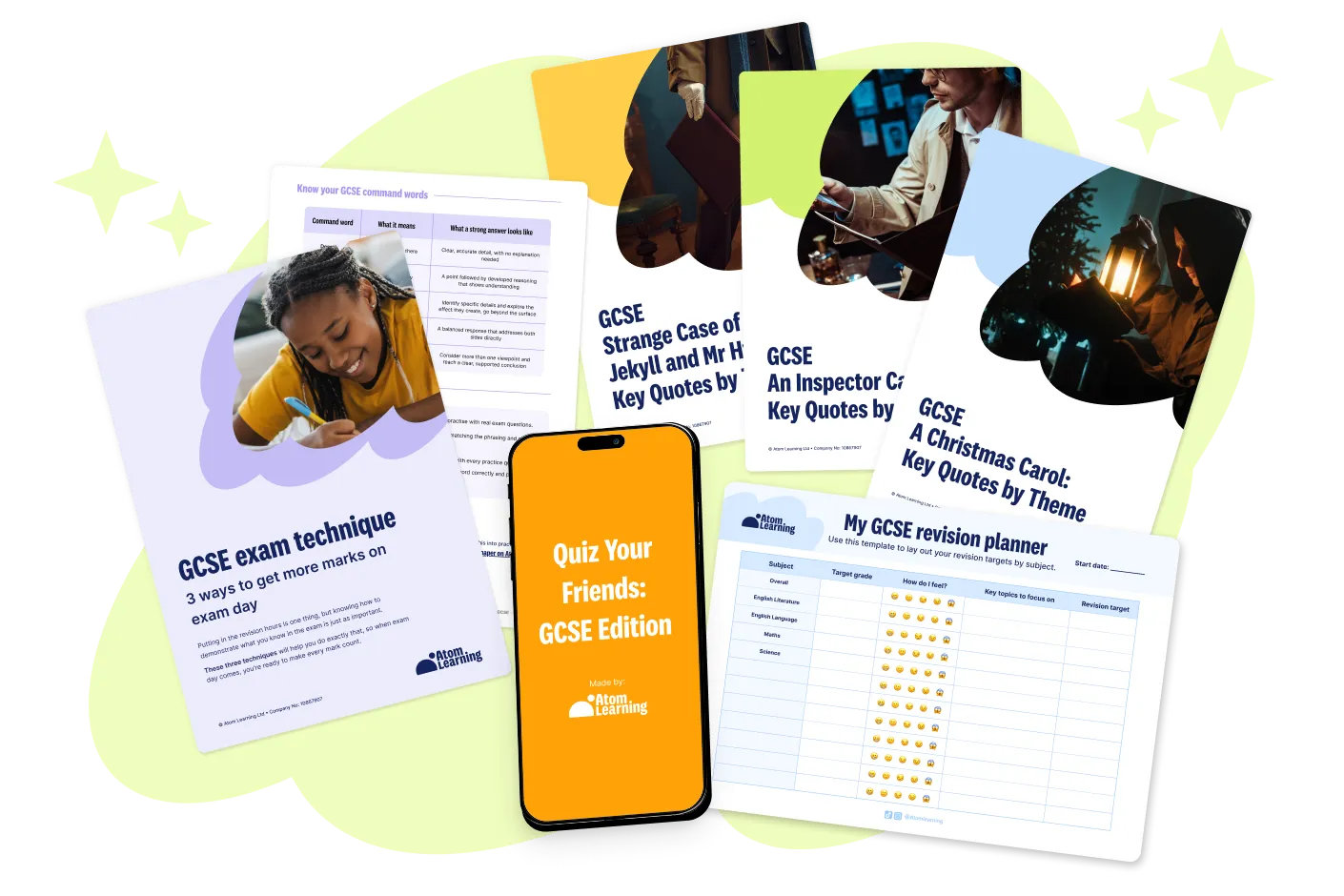
From revision planners to formula sheets, we've got the tools to make revision feel a little less daunting.

All free. All in one place.

Let's get started

How can I prepare for Edexcel IGCSE Religious Studies?

Here are 5 top tips to help you get ready:

1. Learn key terms and their exact meanings

Religious Studies has its own vocabulary, and vague or muddled definitions cost marks in shorter questions. Keep a running glossary of key terms for Paper 1 and your Paper 2 religion, and test yourself on the exact wording regularly.

Top tip: Learn one short quotation or reference for every major belief, since specific evidence scores higher than a general description.

2. Practise building balanced arguments

The longer, synoptic questions on Paper 1 reward answers that consider more than one point of view before reaching a conclusion. For each likely topic, prepare two points on each side of the argument in advance.

Top tip: Use a simple two-column table, one side for each viewpoint, and add to it every time a new topic comes up in class.

3. Practise each question length separately

Paper 1 mixes short, extended and synoptic answers, and each one needs a different approach and a different amount of detail. Practise writing just one question type at a time until you're confident with the structure each one needs.

Our free GCSE exam techniques guide has a section on matching your answer to the marks available, to help you nail this exam technique before exam day.

Top tip: Check how many marks a question is worth before you start writing, and match the length of your answer to it.

4. Plan your answer before you start writing

It's tempting to start writing straight away, but a quick plan helps you structure your answer and use your time well, especially on longer questions. Before answering a practice question, spend a minute jotting down the points you want to make and the order you'll make them in, so this becomes a habit well before exam day.

Top tip: For evaluation-style questions, plan points for both sides of the argument before you write a single sentence. That way you already know your conclusion, instead of finding it as you go.

5. Get comfortable with the exam format, not just the content

Knowing your subject matter is only half the story. Doing well on exam day also depends on knowing exactly what to expect, how the questions are worded, how long to spend on each one, and what a strong answer looks like under time pressure. Build regular timed practice into your revision routine at least once a fortnight in your final term, so the format feels familiar rather than unfamiliar.

Top tip: Atom's practice questions and predicted papers are built to test exactly this, giving you feedback that shows whether you're losing marks on your content knowledge or on your exam technique, such as how you've answered a particular question style, so you know exactly what to work on next.

The more you practise turning your knowledge into confident, well-reasoned evaluation answers, the more natural it will feel by the time you sit the real papers.
No items found.
No items found.
No items found.
No items found.

Take control of your GCSE revision

Everything you need for GCSE success, in one place.

Feeling confident about your GCSEs comes from knowing what to revise, how to improve, and where to focus next.

🔮 GCSE practice papers based on our team's 2026 exam predictions

🎓 Guided courses that cover all the topics on your exams

✍️ Instant feedback that tells you where you’ve gained and lost marks

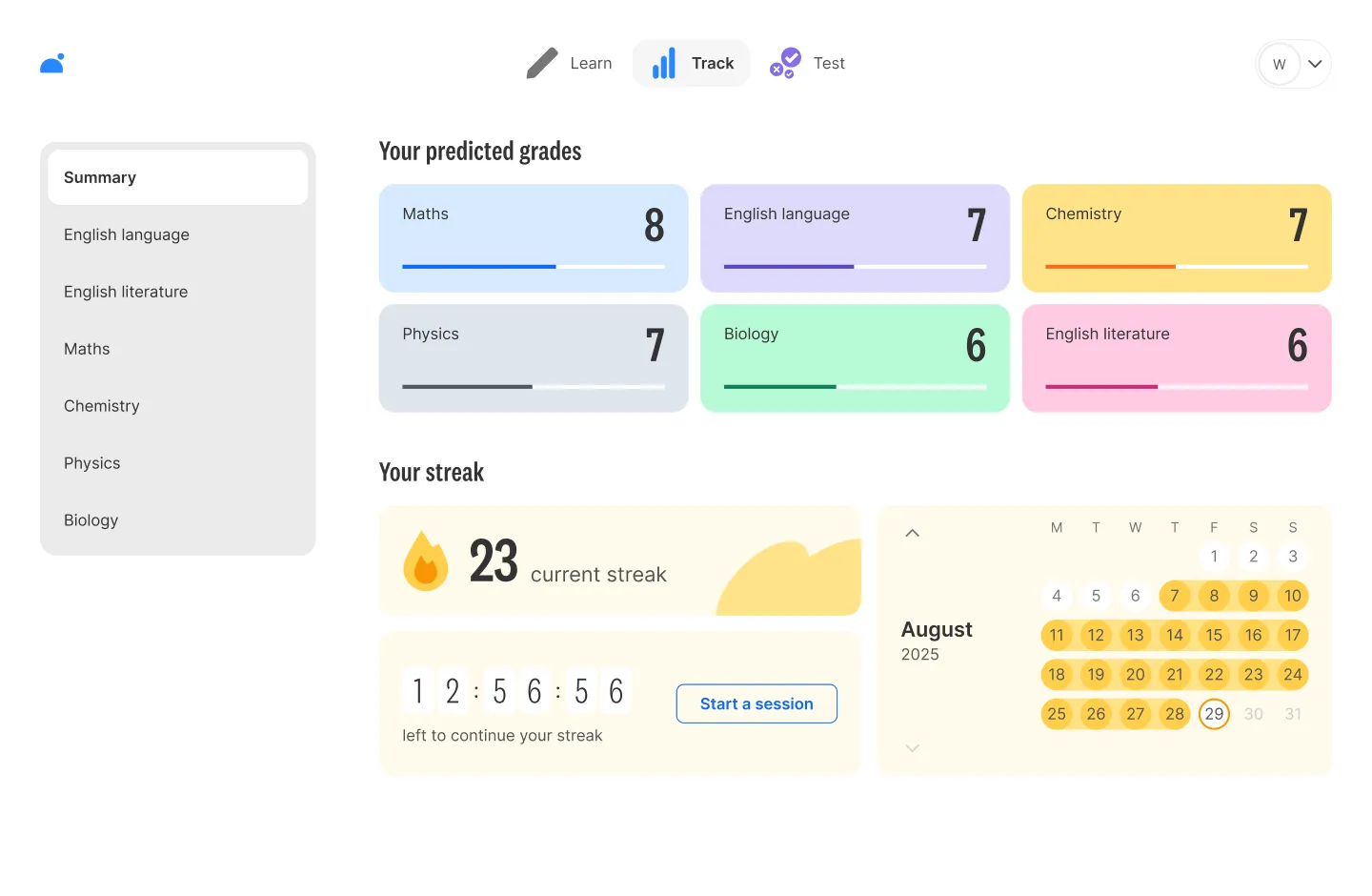
📈 Predicted GCSE grades and topic-by-topic tracking

Know where you stand and how to improve

Create your free account and start making real progress today.

Online GCSE revision

Contents