Back to blog

Your guide to Edexcel International GCSE Maths

By
Atom
|
August 12, 2026

Preparing for Edexcel International GCSE Maths? Here's everything you need to get exam-ready.

Whether you're just starting your course or preparing to sit your final exams, understanding the format of the papers, what examiners are looking for and what marks you might need to get your target grade will help keep your revision on track.

Not sure which exam board your school uses? Take a look at our guide to finding out which exam board you're studying.

Key takeaways:

  • Edexcel International GCSE Maths (4MA1) has two papers, and both allow a calculator.
  • Grades run on the 9 to 1 scale, with Foundation covering grades 1 to 5 and Higher covering grades 4 to 9.
  • A formula sheet is provided in the exam.

What's the format of the Edexcel International GCSE Maths exam?

Edexcel International GCSE Maths (4MA1) consists of the following:

  • Two papers, each 2 hours long and worth 100 marks. Total: 200 marks.
  • Both papers allow a calculator. Unlike the domestic UK GCSE, there's no non-calculator paper.
  • Each paper is weighted at 50% of your final mark.
  • There's no coursework. Both papers are set and marked externally by Pearson.

What's the difference between Foundation and Higher for Edexcel International Maths?

Edexcel International GCSE Maths is split into Foundation and Higher tiers, depending on your level.

Foundation tier:

  • Covers the core topics you need to know and leaves out the most demanding content.
  • The maximum grade you can achieve on Foundation is a grade 5.

Higher tier:

  • Covers everything in Foundation, plus more advanced topics and harder problem-solving.
  • Grades range from 4 to 9, with grade 9 the highest possible.

Your school will usually recommend a tier based on how you're performing in class. If you're aiming for grade 6 or above, you'll need Higher, since Foundation caps out at a 5.

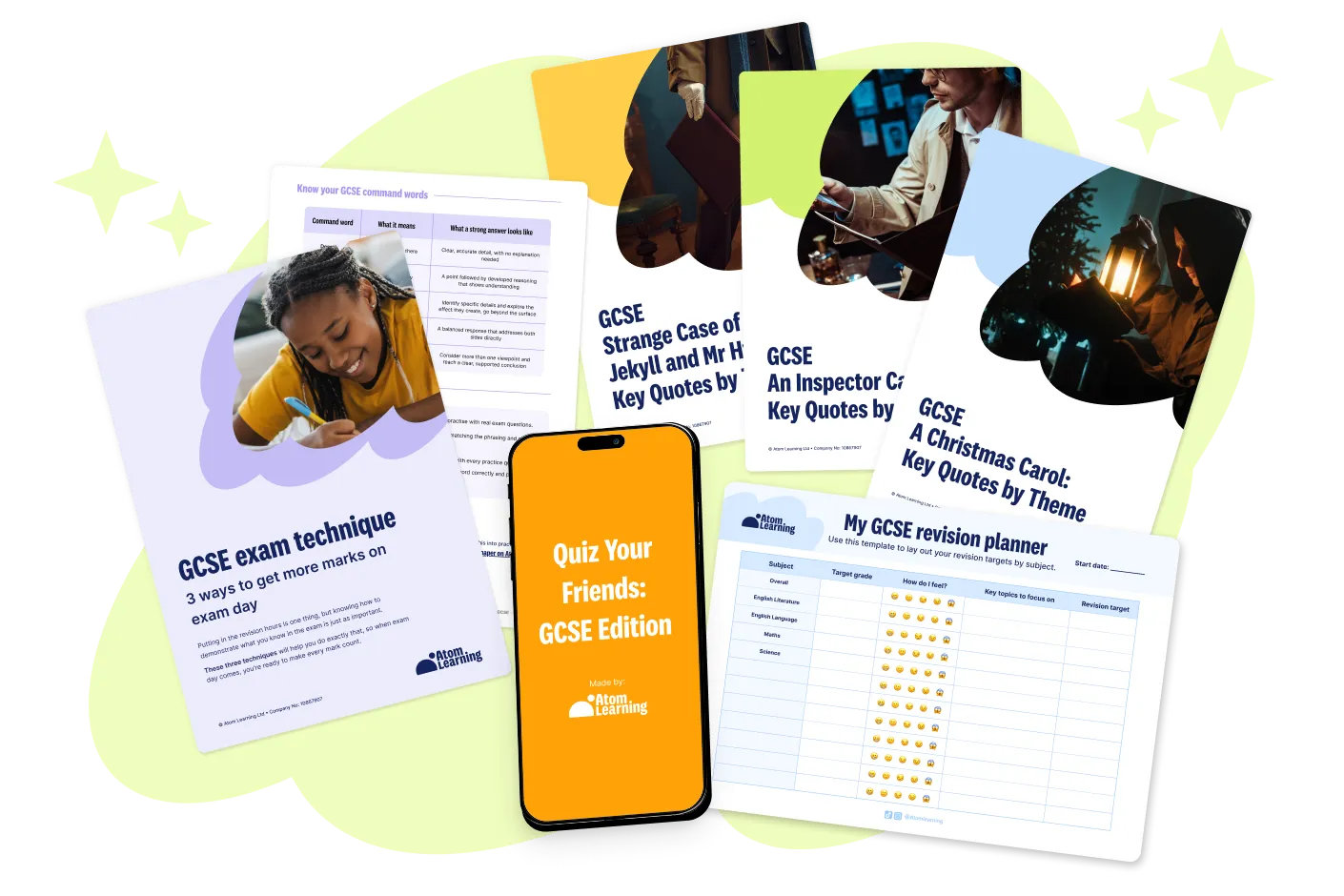
Not sure where to start with revision? We've got you.

From revision planners to formula sheets, we've got the tools to make revision feel a little less daunting.

All free. All in one place.

Let's get started

What are examiners looking for?

Edexcel International GCSE Maths rewards clear method and reasoning as well as correct answers.

  • You'll gain marks for accurately recalling and using the right mathematical technique.
  • You'll also gain marks for reasoning through a problem, interpreting information, and communicating your method clearly.
  • Multi-step, real-world style questions are used to test how you apply what you know to less familiar situations.

Since both papers are calculator papers, examiners still expect to see full working, not just a final answer, so don't skip steps even when your calculator gets you there quickly.

What are the grade boundaries for Edexcel International GCSE Maths?

It's important to remember that the exact grade boundaries for your iGCSE exams will change every exam series. 

Pearson adjusts grade boundaries after each exam, depending on how difficult the papers were and how students performed overall. This keeps things fair, so a grade 5 reflects the same standard of work whether you sat the exam this year or last year.

Pearson publishes grade boundaries for Mathematics A (4MA1) on results day for each series, split by tier. Take a look at the most recent grade boundaries here to get a sense of how grades are awarded.

Where can I find past papers and mark schemes?

Practising with past papers and mark schemes is one of the most effective ways to prepare for Edexcel International GCSE Maths. Past papers help you get used to the style of questions, see exactly how marks are awarded, and build confidence with real exam timing.

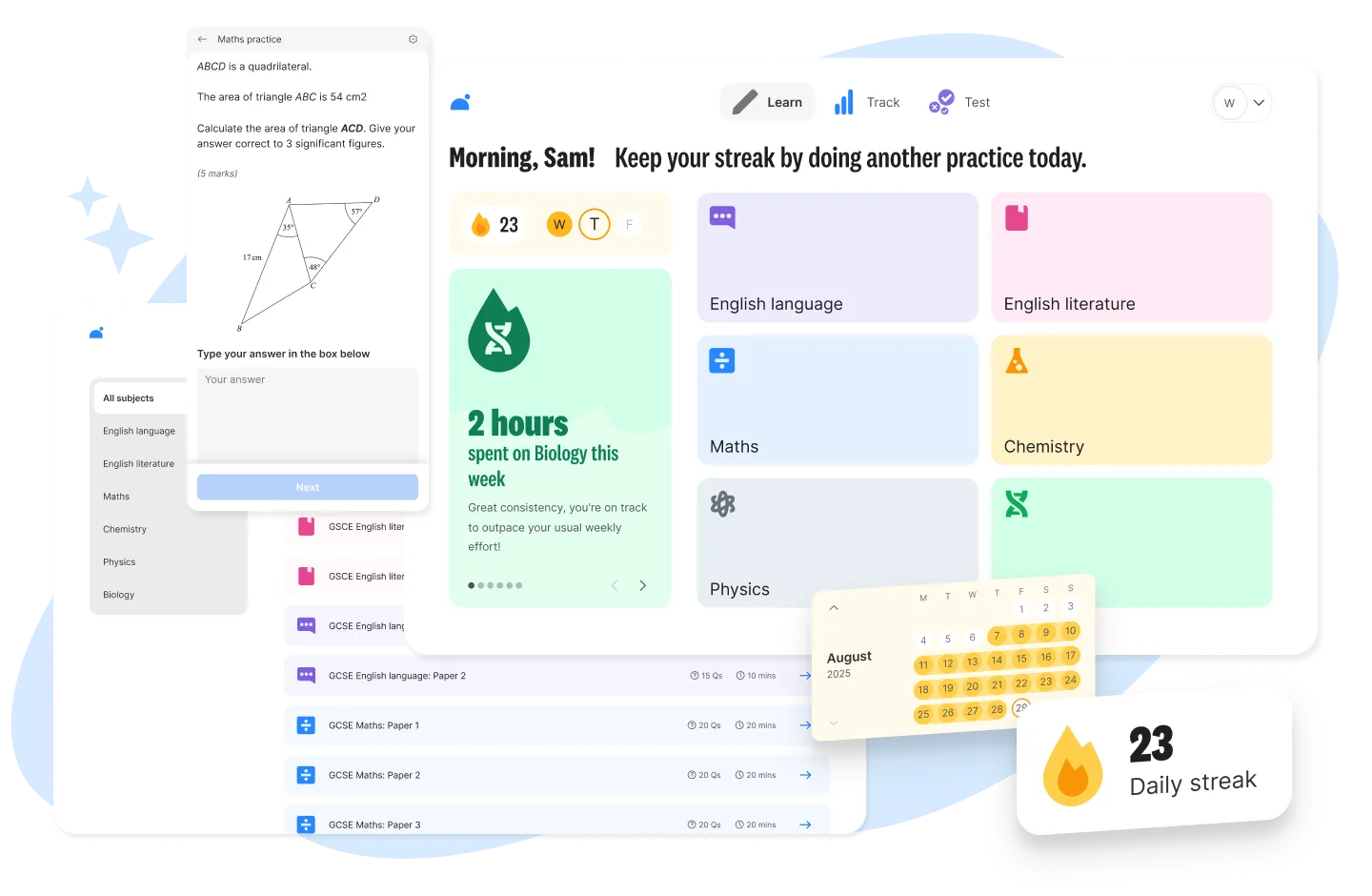
Atom has predicted papers and past papers to help you prepare for your iGCSE. Take a look at what's available.
No items found.

You can also find official past papers and mark schemes for Mathematics A (4MA1) on the Pearson Qualifications website.

What key topics do I need to know for Edexcel International GCSE Maths?

Edexcel International GCSE Maths covers six broad content areas. You'll need a solid understanding of each one to do well, so make sure you revise any topics you find tricky ahead of the exam.

The main topics are:

  • Number
  • Algebra
  • Graphs
  • Shape and space (geometry)
  • Sets, vectors, functions and graphs
  • Statistics and probability

Check the Edexcel International GCSE Mathematics A (4MA1) specification to see exactly what's covered at your tier.

How can I prepare for Edexcel International GCSE Maths?

Here are 5 top tips for preparing for your Edexcel International GCSE Maths exam:

1. Show your working, every time

Marks are often awarded for method, not just the final answer. Even on a calculator paper, examiners want to see how you got there. 

Top tip: practise writing out every step, even for questions you find easy, then check your working against Atom's instant, examiner-style feedback to see exactly which method marks you picked up.

2. Learn to use the formula sheet properly

The sheet doesn't cover everything, so get familiar with exactly what's on it and what you'll still need to know from memory. 

Top tip: print a copy and highlight the formulae you still need to memorise, then test yourself with Atom's practice questions to see how confident you really are without looking.

3. Get comfortable with your calculator

Since both papers allow a calculator, make sure you know your model well, including how to use it for things like standard form, fractions and statistics functions. 

Top tip: practise timed questions using the exact calculator you'll bring to the exam, working through topic practice on Atom to build up your speed one skill at a time.

4. Use past papers under timed conditions

Past papers show you exactly how questions are worded and how marks are split. Take a look at our guide on how to use past papers effectively for more. 

Top tip: time yourself properly at least once a week in the run-up to your exam, using Atom's predicted papers and past papers to practise under realistic conditions.

5. Focus extra time on your weaker topics

After each practice paper, note down which topics cost you the most marks. 

Top tip: spend the first 10 minutes of every revision session on your weakest topic before moving to ones you find easier, letting Atom's progress tracking show you exactly where to focus.

That's the full picture for Edexcel International GCSE Maths. With the format and marking clear, you can spend your revision time where it counts most: exam technique.

No items found.
No items found.
No items found.

Take control of your GCSE revision

Everything you need for GCSE success, in one place.

Feeling confident about your GCSEs comes from knowing what to revise, how to improve, and where to focus next.

🔮 GCSE practice papers based on our team's 2026 exam predictions

🎓 Guided courses that cover all the topics on your exams

✍️ Instant feedback that tells you where you’ve gained and lost marks

📈 Predicted GCSE grades and topic-by-topic tracking

Know where you stand and how to improve

Create your free account and start making real progress today.

👉 Let’s go

Contents