
Back to blog

The Pomodoro Technique for GCSE revision: a simple way to stay focused and boost your grades

By
Atom
|
February 27, 2026

Struggling to concentrate when revising for your GCSEs?

You’re not alone. Most revision advice sounds great in theory. In practice, you sit down, open your notes, and forty minutes later, you've watched three YouTube videos and are texting your friends. 

Long revision sessions can quickly turn into scrolling, procrastinating, or staring at your notes without taking anything in.

That’s where the Pomodoro Technique comes in.

In this guide, we’ll explain:

  • What the Pomodoro Technique is
  • Why it works for GCSE revision
  • How to use it effectively
  • When it works best (and when it doesn’t)
  • How to combine it with exam practice for top grades

If you want revision that actually keeps you focused, this is a technique worth mastering.

What is the Pomodoro Technique?

The Pomodoro Technique is a time-management method built around short, focused study sessions.

You revise for 25 minutes at a time, and then take a 5-minute break. It works like this:

  1. Choose one task.
  2. Set a timer for 25 minutes.
  3. Work with full focus until the timer ends.
  4. Take a 5-minute break.
  5. Repeat.
  6. After four sessions, take a longer 20–30 minute break.

Each 25-minute session is called a Pomodoro. It helps keep revision simple, structured and effective.

Why the Pomodoro Technique works for GCSE revision

GCSE revision can feel overwhelming. There’s a lot to cover, and it’s easy to lose momentum.

The Pomodoro Technique works because it:

✅ Makes revision feel manageable

“Revise Biology for 2 hours” feels like a lot.
“Focus on photosynthesis for 25 minutes” feels doable.

Clear, short sessions reduce procrastination.

✅ Improves focus

When you know you only have to concentrate for 25 minutes, you’re more likely to eliminate distractions.

✅ Builds consistency

Short sessions make it easier to revise little and often, which improves memory far more than last-minute cramming.

How to use the Pomodoro Technique for GCSE revision (step-by-step)

Step 1: Choose a specific task

Be precise.

Instead of:

  • ❌ “Revise English”

Try:

  • ✅ “Plan a response to a 12-mark question on Macbeth”
  • ✅ “Answer 5 GCSE Maths algebra questions”
  • ✅ “Revise and test myself on the Cold War timeline”

Clarity improves results.

Step 2: Remove distractions before you start

Make sure you put your phone away, close extra tabs, and clear your desk. The goal is deep focus for 25 minutes.

Step 3: Work with exam focus

Don’t just reread notes. Use the session to:

  • Practise exam questions
  • Plan high-mark answers
  • Test yourself without looking
  • Complete timed sections of a past paper

Revision that mirrors the real exam is far more powerful than passive revision.

Step 4: Take a real break

When the timer ends, you can:

  • Stand up
  • Get some water
  • Stretch
  • Walk around
  • Step outside for a minute
  • Make a quick snack
  • Listen to your favourite song

Your brain needs proper downtime before the next session.

Why scrolling doesn’t count as a break

It’s easy to reach for your phone, but scrolling isn’t rest. It’s just switching focus.

Social media keeps your brain highly stimulated. That makes it harder to settle back into exam questions afterwards. It also makes five minutes disappear fast.

A good break should feel calm, not intense.

If your brain has been concentrating hard for 25 minutes, give it something low-effort in return. Movement, fresh air, a reset.

You’ll come back sharper, and the next Pomodoro will feel easier.

Step 5: Track your sessions

After four Pomodoros, take a longer break.

Seeing how many focused sessions you’ve completed builds motivation and shows real progress.

Small wins add up.

How many Pomodoro sessions should you do per day?

  • After school: 3–4 sessions
  • Weekend revision: 6–8 sessions (with proper breaks)
  • Exam season: Use Pomodoros to structure full mock papers

Remember: quality beats quantity.

Four fully focused sessions are better than three distracted hours.

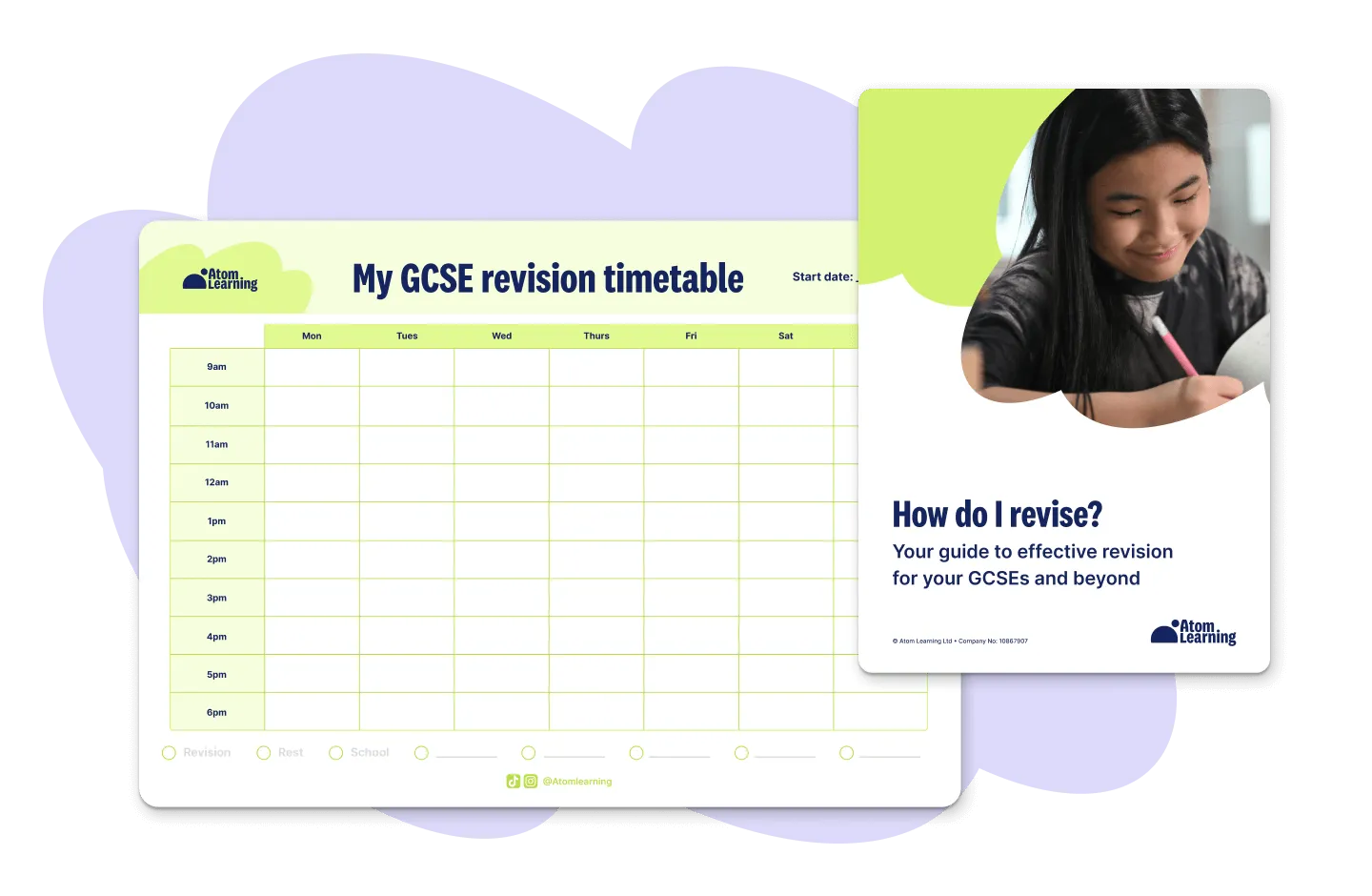
Download your free GCSE revision planner

Less stress, more success! Get your free GCSE revision planner and our handy guide to effective revision today.

Download now

Pomodoro + Exam Practice = Higher Marks

The real power of the Pomodoro Technique comes when you use it for exam-style practice.

For example:

  • 1 Pomodoro: Plan a 12-mark answer
  • 1 Pomodoro: Write it under timed conditions
  • 1 Pomodoro: Review feedback and rewrite weak sections

That’s three focused sessions that directly improve exam performance.

How Atom GCSE helps you make every Pomodoro count

The Pomodoro Technique gives you structure.

But what you do in those 25 minutes matters just as much.

That’s where Atom GCSE can help.

Instead of guessing what to revise, you can:

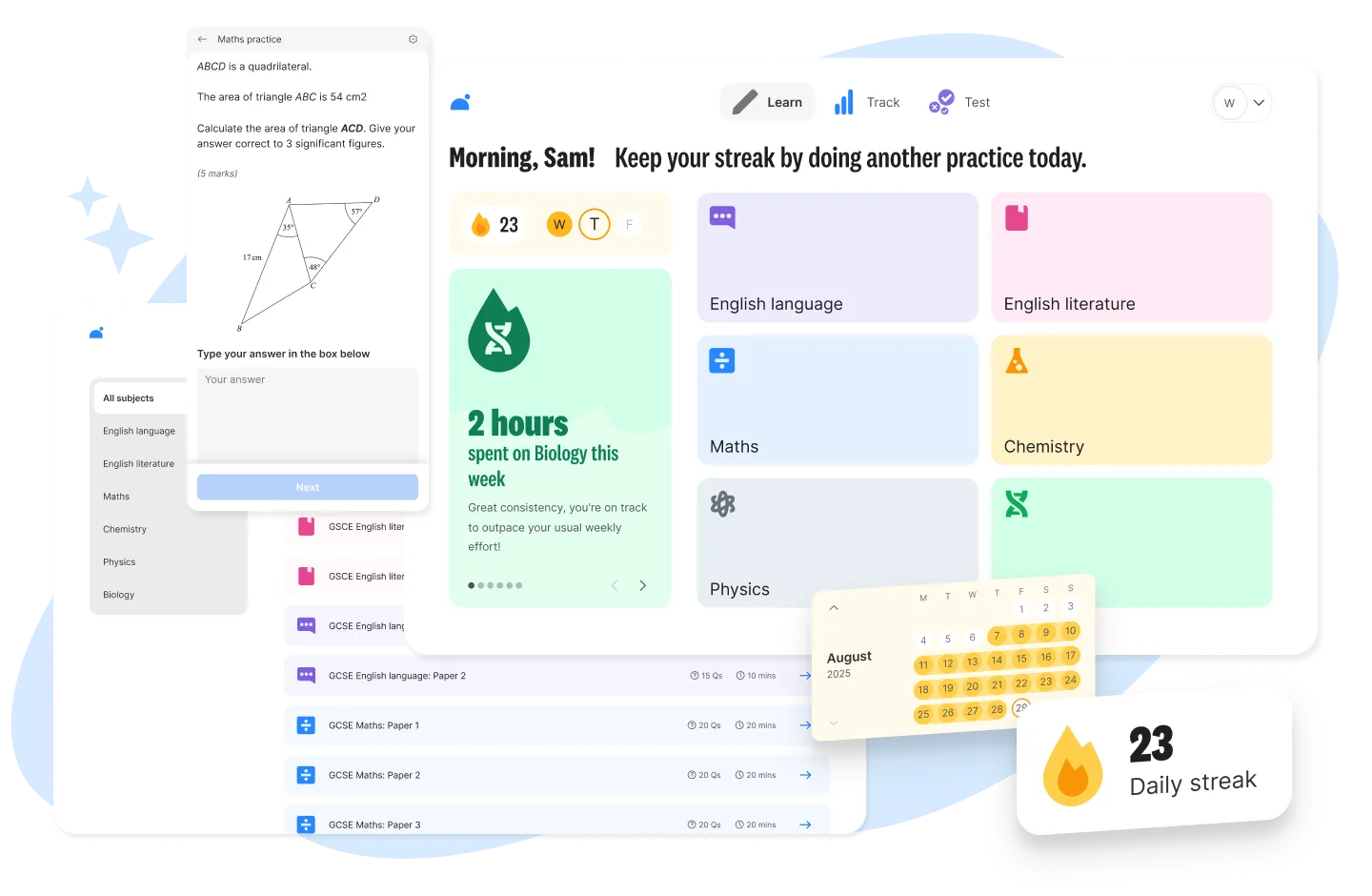
  • Practise questions tailored to your exact exam board
  • Get instant, exam-board-specific feedback powered by real mark schemes
  • See exactly where you gained and lost marks
  • Track your progress across every topic

It’s everything you need for successful revision, in one place.

You could use your Pomodoro sessions like this:

  • Session 1: Complete a topic quiz
  • Session 2: Attempt a high-mark question
  • Session 3: Review your AI feedback and fix weak areas
  • Session 4: Retry similar questions to lock it in

Short sessions. Specific focus. Measurable improvement.

When you combine structured time management with examiner-style feedback, revision becomes far more effective — and far less overwhelming.

Why structure matters for GCSE success

Students often think motivation comes first.

In reality, structure creates motivation.

When you:

  • Know what to revise
  • Know how long to spend on it
  • Know where you’re improving

Revision feels manageable, and confidence grows.

The Pomodoro Technique gives you structure. The right feedback shows you how to turn effort into higher marks.

Final thoughts: Make every 25 minutes count

GCSE revision doesn’t have to mean long, exhausting study sessions.

Try this instead:

  • One focused task
  • 25 minutes of full attention
  • A short break
  • Repeat

Once you know what you're doing, how long it'll take, and you can see yourself making progress, revision starts to feel less like something you're avoiding and more like something you're actually doing.

Twenty-five minutes at a time. It adds up.
Take control of your GCSE revision

Everything you need for GCSE success, in one place.

Feeling confident about your GCSEs comes from knowing what to revise, how to improve, and where to focus next.

🔮 GCSE practice papers based on our team's 2026 exam predictions

🎓 Guided courses that cover all the topics on your exams

✍️ Instant feedback that tells you where you’ve gained and lost marks

📈 Predicted GCSE grades and topic-by-topic tracking

👉 Let’s go
No items found.
No items found.
No items found.
No items found.

Contents