


2. Lead by example
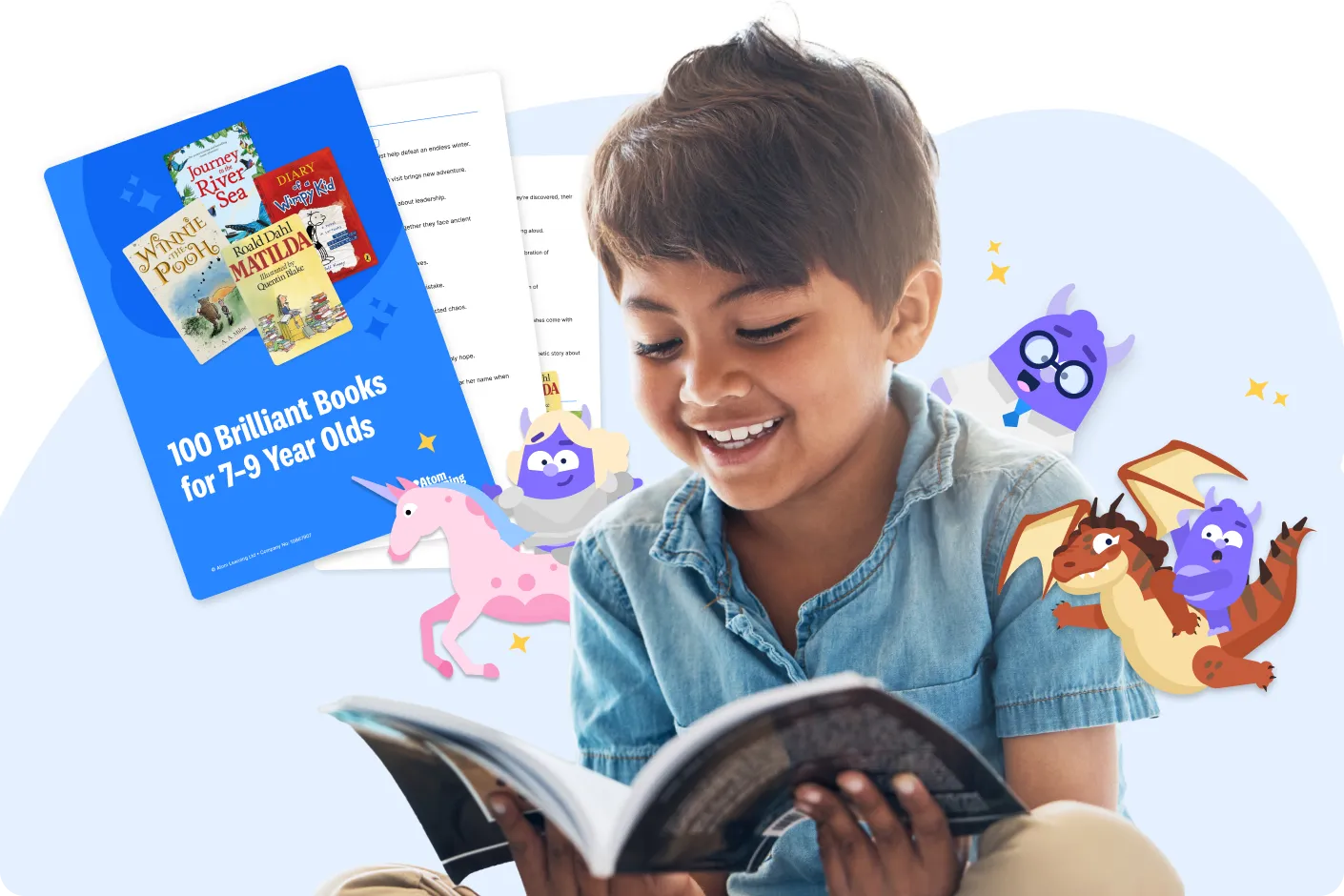
Children are natural imitators; they often mirror the habits and behaviours they see at home. You’ve probably noticed it in the way they pick up your phrases or mimic your routines. When it comes to reading, it’s no different.
If your child regularly sees you enjoying a book, a magazine, or even a newspaper, they begin to see reading as something valuable and enjoyable, not just another task. Research shows they’re 40% more likely to pick up the habit themselves if you’re modelling it.
You don’t have to make a big show of it. Simply being visible while reading at the breakfast table, during quiet time, or winding down before bed can have an impact. Let your child ask questions about what you’re reading, share a funny line or an interesting fact, or talk about why you’re enjoying the story.
Want to take it a step further? Try reading the same book as your child. It doesn’t need to be a formal book club, just reading side by side and chatting about a chapter afterwards builds connection and helps them think more deeply about the story.
The key is consistency and enthusiasm. If your child sees that reading matters to you, they’re far more likely to see the value in it for themselves.
3. Make reading feel like a treat, not a task
If reading starts to feel like a chore, children are less likely to stick with it. The key is to keep it fun, engaging, and led by their interests. When reading feels like something to look forward to, not something they have to do, it becomes a habit that sticks.
- Choose stories that spark your child’s curiosity.
- Encourage them to read aloud, even when they can do it themselves.
- Ask questions related to the book, such as, “What do you think will happen next?” or “Which character would you be?” These questions grow critical thinking and emotional awareness.
4. Introduce reading as part of family life
Share audiobooks in the car, keep a bookshelf at home, join the Summer Reading Challenge, or browse your local library together.
From the 72,000 books given away this year to local library events happening year-round, community initiatives are helping build a rich and inspiring reading culture.
Reading isn’t just about paper. E‑books, magazines, graphic novels, and even podcasts count. The Year of Reading campaign specifically encourages a modern, flexible definition of reading, helping children feel it’s relevant and accessible to them and their daily routine.
5. Celebrate effort, not just ability
Reading isn’t a race. Whether your child is whizzing through chapter books or still sounding out words, your encouragement makes all the difference.
Celebrate the small wins: finishing a tricky page, tackling a new word, choosing to read without being asked. These moments build confidence and resilience. By focusing on effort over outcomes, you’re helping your child develop a growth mindset, one that will benefit them across every subject, not just English.

.svg)