What does GCSE stand for? A plain-English guide

GCSE stands for General Certificate of Secondary Education. It is a qualification that most students in England work towards in the last years of secondary school.
This short guide answers the quick questions: what a GCSE is, when you take them, how they are graded and what comes next.
Key takeaways
- GCSE stands for General Certificate of Secondary Education.
- Most students in England work towards GCSEs, or similar qualifications, in Key Stage 4.
- Grades run from 9 to 1, and English, maths and science are core subjects.
- What you do after GCSEs depends on your grades and your plans.
What does GCSE stand for?
GCSE stands for General Certificate of Secondary Education. In other words, it is an official certificate you earn at secondary school, usually in individual subjects such as maths, English or history.
The Department for Education uses the full name on its own GOV.UK pages about the grading scale. Students and teachers almost always say "GCSE" instead.
What is a GCSE?
A GCSE is a national qualification in a single subject, and you normally sit exams at the end of the course. Most students take several GCSEs, one for each subject.
During Key Stage 4, which is the last stage of secondary school, GOV.UK says "most pupils work towards national qualifications, usually GCSEs or Technical Awards." Technical Awards are a more practical kind of qualification. Your school will tell you which route it offers.
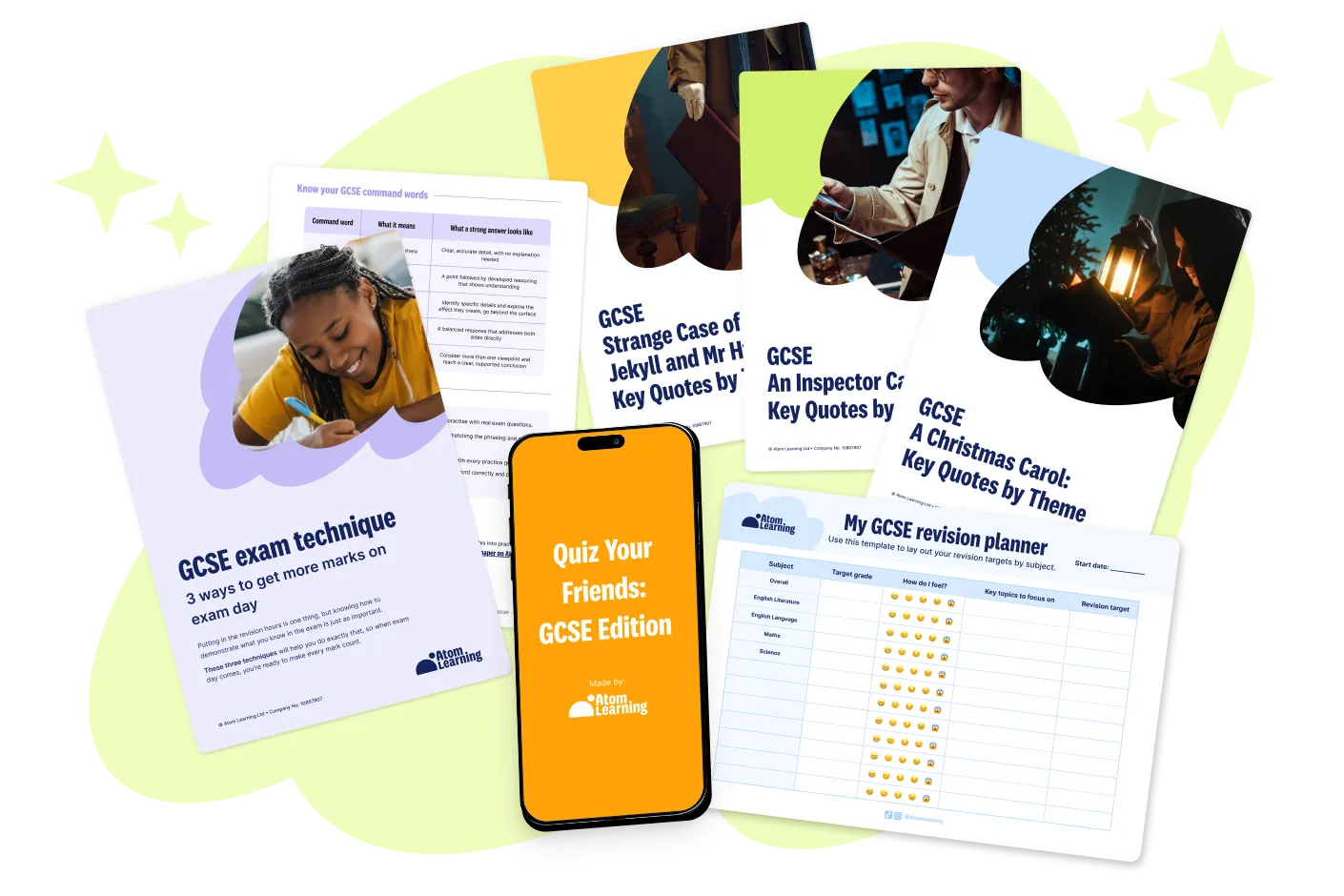
Not sure where to start with revision? We've got you.
From revision planners to formula sheets, we've got the tools to make revision feel a little less daunting.
All free. All in one place.

When do students take GCSEs?
Most students sit their GCSE exams in Year 11. Your school decides when you start the courses, so ask your teachers for the timeline. For this year's dates, see our GCSE exam dates guide.
You may also hear about mocks. These are practice exams that schools run before the real ones. Our guide to revising for GCSE mocks explains how to get ready.
How many GCSEs do you take?
The number of GCSEs you take depends on your school, your choices and your plans. English, maths and science are core subjects in the national curriculum. Schools must also offer at least one subject from each of these areas: arts, design and technology, humanities and modern foreign languages.
Our guide on how many GCSEs you need covers this in full. If you are choosing subjects, see how to choose your GCSE subjects.
How are GCSEs graded?
GCSEs in England are graded from 9 (the highest) to 1, with U for ungraded. This replaced the old A* to G grades in 2017.
Grade 4 is called a standard pass. Grade 5 in English or maths is called a strong pass. Our guide on how GCSEs are graded goes into detail on marking and boundaries.
What comes after GCSEs?
In England, you must stay in education or training until you are 18. GOV.UK gives three ways to do that:
- Stay in full-time education, for example at a college.
- Start an apprenticeship.
- Spend 20 hours or more a week working or volunteering, while also in part-time education or training.
You can leave school on the last Friday in June if you will be 16 by the end of the summer holidays. If you did not reach grade 4 in English or maths, you will usually keep studying that subject after Year 11.
If you want a fuller guide to GCSEs, our post What are GCSEs? A guide for students and parents goes further. Whichever route you choose, GCSEs are one step among several, and there is time to plan the next one.
Take control of your GCSE revision

Everything you need for GCSE success, in one place.
Feeling confident about your GCSEs comes from knowing what to revise, how to improve, and where to focus next.
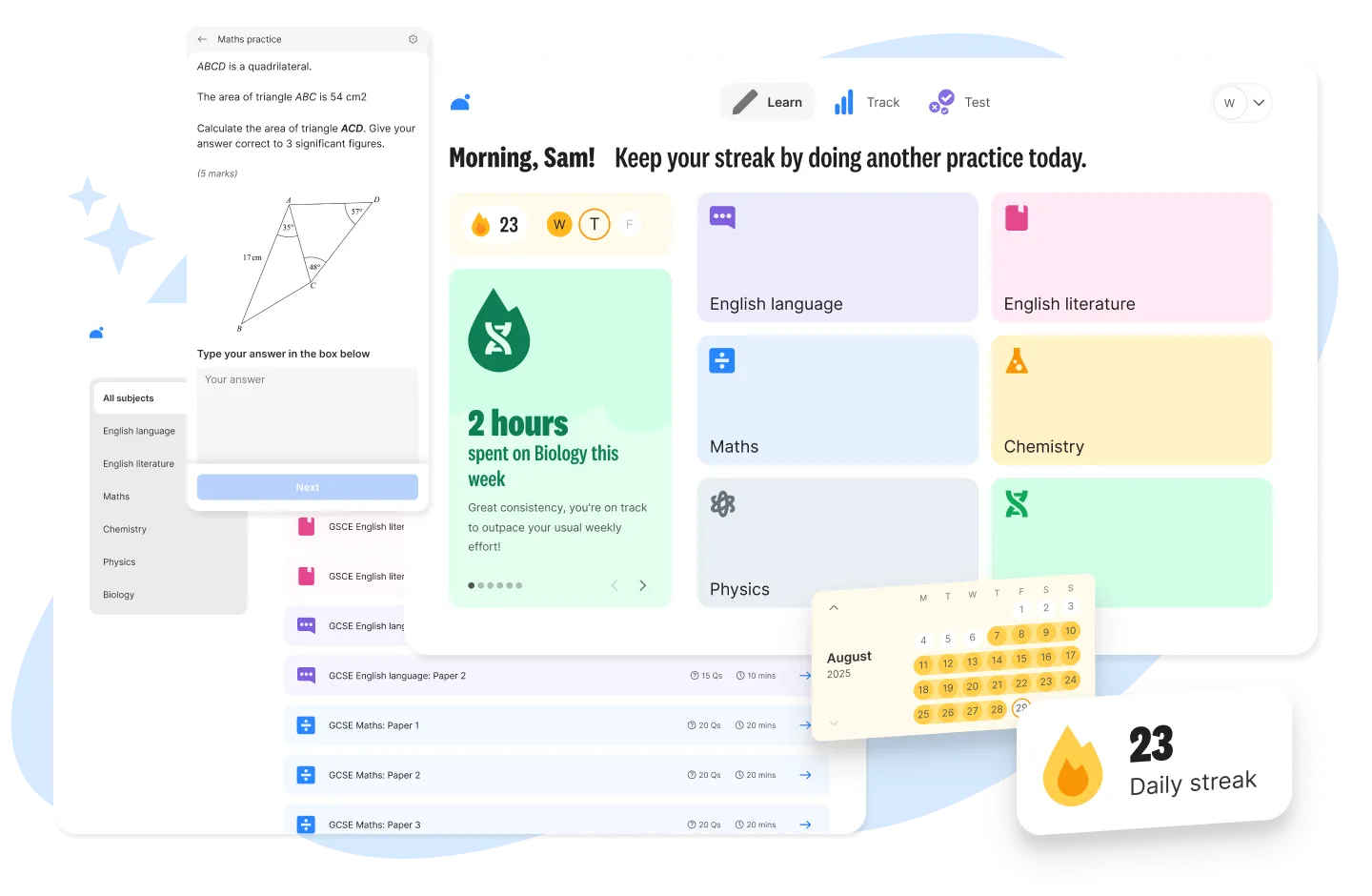
🔮 GCSE practice papers based on our team's 2026 exam predictions
🎓 Guided courses that cover all the topics on your exams
✍️ Instant feedback that tells you where you’ve gained and lost marks
📈 Predicted GCSE grades and topic-by-topic tracking
Create your free account and start making real progress today.