Back to blog

Preparing for GCSEs After Long-Term School Absence: SEND and School-Avoidance Support

By
Atom
|
November 17, 2026

If your GCSEs are getting closer and you've been out of school for weeks or months, you're probably wondering one thing above all else: is it still possible to catch up and sit them? The short answer is yes, for most students it is, but the path there looks different from a standard revision plan. This guide covers what's actually realistic after extended absence, how access arrangements and special consideration work, and how to build a revision plan that doesn't ask more of you than you can currently give. Read on to find out more.

Key takeaways

  • Extended absence, whether from SEND, mental health difficulties, or a condition like ME/CFS, doesn't rule out sitting your GCSEs. Schools deal with this every year.
  • Access arrangements (like extra time or rest breaks) and special consideration are two different things, and it's worth understanding which one might apply to you.
  • A realistic revision plan after time away starts smaller than you'd expect, and builds from there.
  • Your school's SENDCo and exams officer are the two people who can act on your specific situation, so loop them in early.

Sitting your GCSEs after time away from school: what's actually possible

Schools support students returning from long-term absence every year, for reasons ranging from physical illness to anxiety-related school avoidance to conditions like autism, ADHD and ME/CFS. You are not the only family dealing with this, even if it feels that way right now.

Being out of school for a long stretch doesn't automatically mean you're "behind" in a way that closes off options. It usually means the plan for the next few months needs to look different from everyone else's, not that the goal itself needs to change. Some students catch up on missed content before exams. Others focus on the subjects and topics that matter most and enter for those, with the school's guidance. Some sit exams over more than one series where the specification allows it.

Which of these fits you depends on things only your school can properly assess: how much of the course you've covered, whether you have an EHCP or SEND support in place, and what your exams officer thinks is achievable. The starting point for all of it is an honest conversation with your school, ideally your form tutor, head of year or SENDCo, about where things stand. If you're not yet sure which exam board you're sitting or when your exams fall, our guide to GCSE exam boards and key exam dates are useful starting points once your school has had that conversation with you.

Access arrangements and special consideration: what to check with your school

This is the area where it's easiest to get confused, so it's worth being precise about what each one actually does.

Access arrangements

These are adjustments put in place before the exam to remove a barrier that would otherwise stop you showing what you know.

According to JCQ, the Joint Council for Qualifications, common examples include extra time, supervised rest breaks, a separate room, a reader or scribe, or using a word processor. These are the arrangements most often relevant to students with autism, ADHD, ME/CFS or similar ongoing conditions, because they address a standing difficulty rather than a one-off event.

Your school's SENDCo applies for these on your behalf, and JCQ's guidance is that schools should ideally start the process early in the GCSE course.

If your needs have only recently been identified, that's not a problem: JCQ says applications following a new diagnosis should be made as soon as practicable, not years in advance. Evidence requirements vary by arrangement, and can include specialist assessments, medical evidence, or examples from your normal classwork showing how you already work day to day.

Special consideration

Special consideration is different. It's an adjustment applied after an exam, for something that happens at the time of assessment, such as being unwell on the day, a bereavement, or a serious disruption during the exam itself.

Per JCQ's guide to the special consideration process, it isn't designed to make up for revision time lost to a long-term absence earlier in the course. It's also always applied for by the school, never by a student or parent directly, and it typically results in a small adjustment to marks rather than any change to what's actually in your answers.

The upshot: if you have an ongoing condition, access arrangements for the exams themselves are likely the more relevant route to explore with your SENDCo, well before exam season starts. If something happens on the day itself, that's when special consideration would come in. The detail (what evidence is needed, what deadlines apply, whether a specific arrangement fits your situation) depends on your school, your exam board and your own circumstances. Your SENDCo or exams officer can confirm exactly what applies to you, since they handle these applications every year.

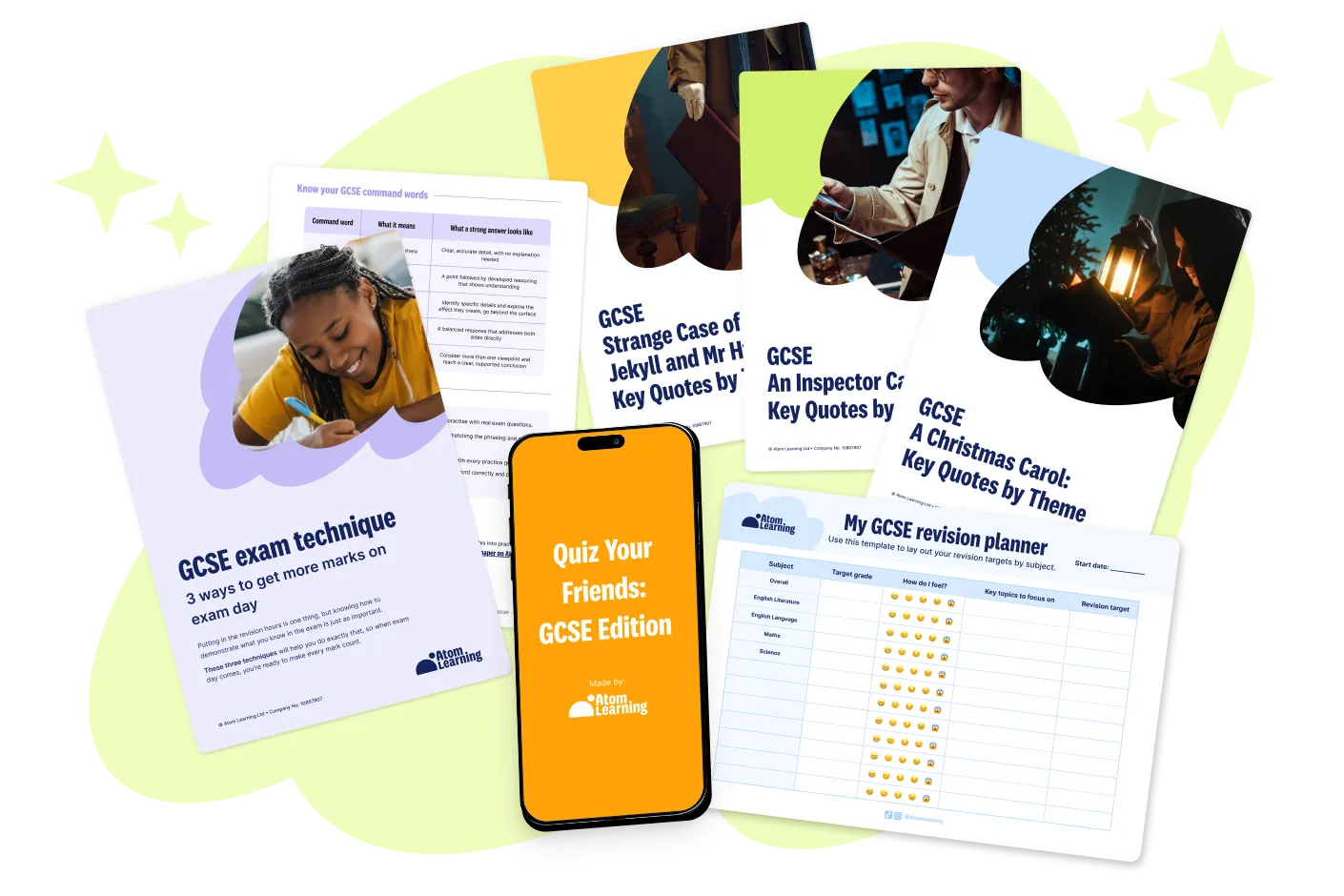
Not sure where to start with revision? We've got you.

From revision planners to formula sheets, we've got the tools to make revision feel a little less daunting.

All free. All in one place.

Let's get started

Building a realistic, low-pressure revision plan

The instinct after a long absence is often to try to make up for lost time all at once. That tends to backfire, especially if fatigue, anxiety or a health condition is part of why you were out in the first place. A plan that you can actually stick to will get you further than an ambitious one you abandon after a week.

A few things tend to help:

Start with what you've actually covered, not what the specification says you should have covered. Ask your teachers for a topic-by-topic view of where you are in each subject. This gives you a real starting point instead of a guess.

Work in short, consistent sessions rather than long ones. Twenty or thirty focused minutes, several times a week, tends to build knowledge more reliably than occasional long sessions, and it's far easier to sustain if your energy or concentration varies day to day.

Prioritise before you plan. If time is genuinely limited, agree with your teachers which topics carry the most marks or come up most often, and start there. Our guide to building a revision timetable that works has a practical structure you can adapt to a lighter starting point.

Build in recovery time on purpose. Rest isn't the same as falling behind. If a session doesn't happen because you needed to rest, that's the plan working as intended, not a failure of it.

Revisit the plan often. A plan made in October won't necessarily fit how you're doing in January. Check in with whoever is supporting you (parent, teacher, SENDCo) every few weeks and adjust rather than trying to force the original version to work.

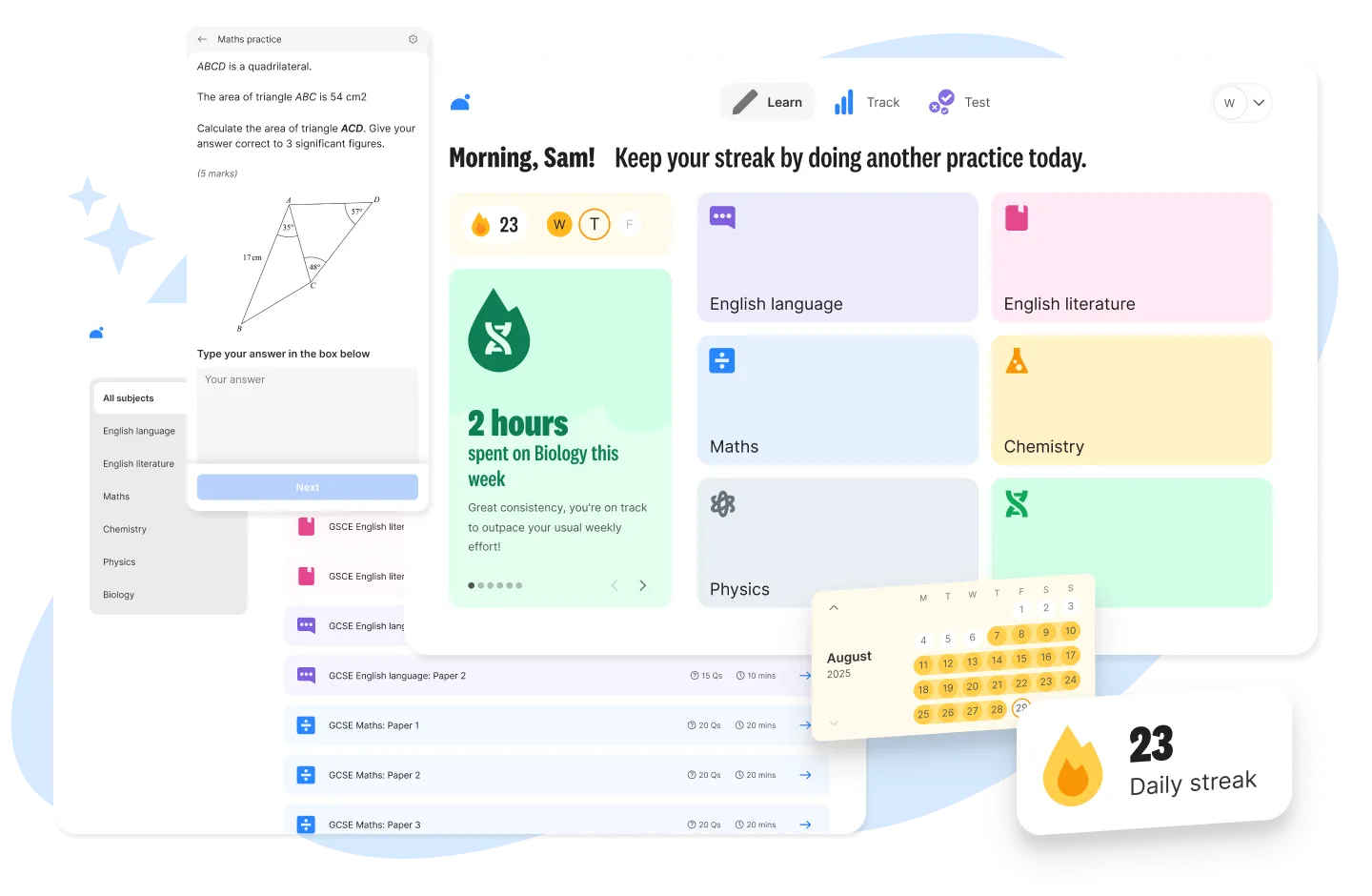
If you want a starting point that already reflects where you are rather than a generic template, Atom's GCSE is personalised to you. It adapts to exactly what you've covered and what's still outstanding in each subject, then builds a realistic, supportive revision plan around it. As your energy, attendance or confidence changes, the plan shifts with you, so you're always working from where you actually are rather than where a standard timetable assumes you should be.

Where to get further support

Your school is the right first stop for anything specific to your situation, particularly your SENDCo (who leads on access arrangements and any EHCP-related support) and your exams officer (who leads on exam entries and deadlines). If you have an EHCP, your school's SEND team and your local authority's SEND service can also help you understand what support should be in place.

For independent, specialist advice on SEND rights and processes, IPSEA is a good source of clear, up-to-date guidance. If ongoing school avoidance is tied to anxiety or mental health, your GP or CAMHS can be part of the conversation too, alongside your school's pastoral team.

However this GCSE series goes, sitting exams after a long time away from school is still something schools plan for and support students through, and taking things one realistic step at a time is a reasonable way to get there.
No items found.
No items found.
No items found.

Take control of your GCSE revision

Everything you need for GCSE success, in one place.

Feeling confident about your GCSEs comes from knowing what to revise, how to improve, and where to focus next.

🔮 GCSE practice papers based on our team's 2026 exam predictions

🎓 Guided courses that cover all the topics on your exams

✍️ Instant feedback that tells you where you’ve gained and lost marks

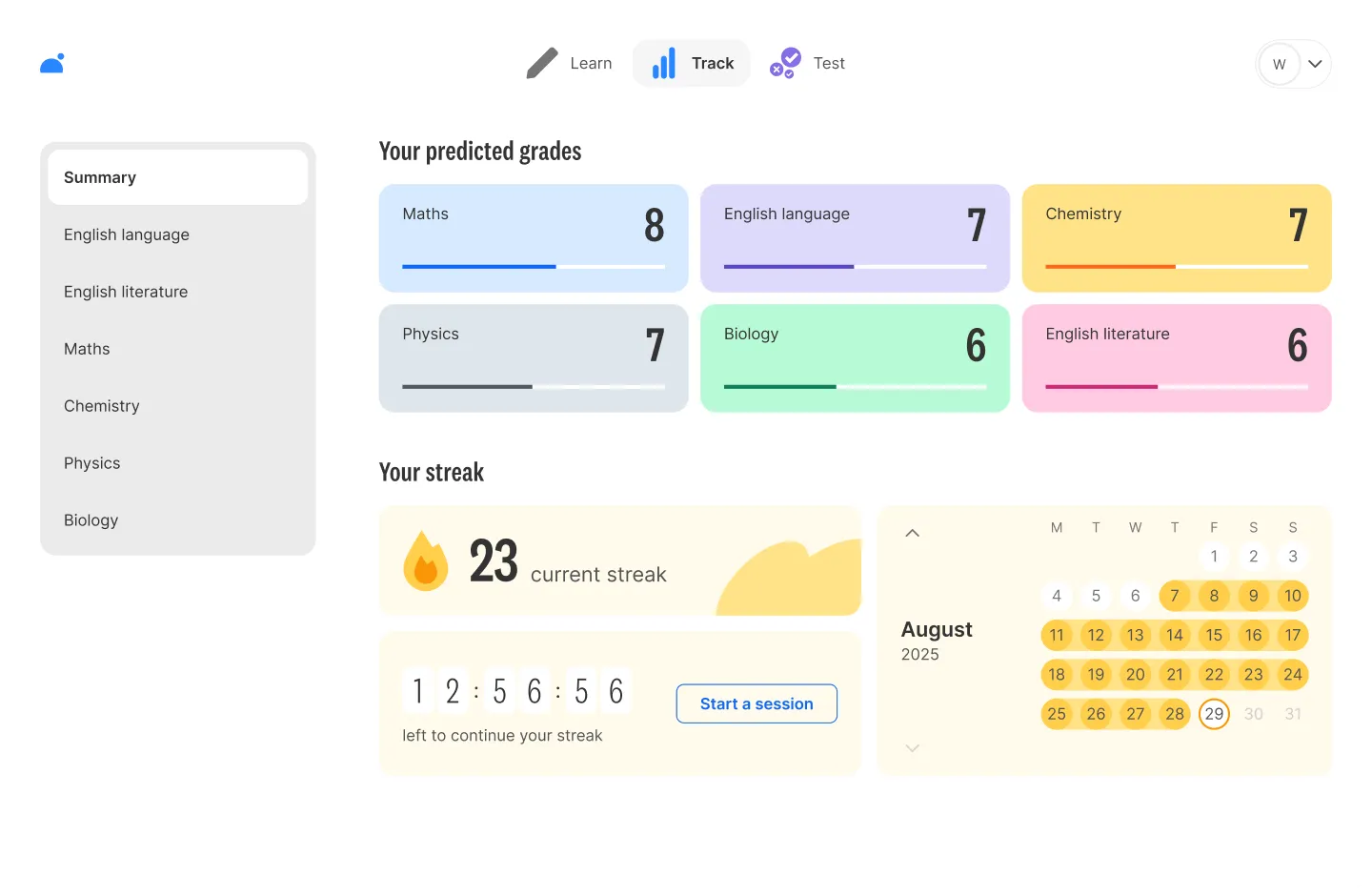
📈 Predicted GCSE grades and topic-by-topic tracking

Know where you stand and how to improve

Create your free account and start making real progress today.

Online GCSE revision

Contents