

How to help your child become a stronger reader and what it means for 11+ success

We often get asked by parents where to start with exam preparation - and the answer surprises many parents: read books, and lots of them!
While reading is not tested in isolation on the 11 plus, it underpins everything. Comprehension, vocabulary, inference, the ability to think about what a text is really saying: these are the skills that separate the children who find the 11+ manageable from those who find it a struggle.
The good news is that these skills aren't fixed. They're built. And the earlier you start, the more time those habits have to take root.
The gap that matters most
Most children can read the words on the page. What's harder and what matters far more for the 11+ is whether they truly understand what they've read.
This distinction is exactly what the 11+ English comprehension papers test. The passages children face aren't there to check they can follow a plot. They're designed to find out how deeply they can think about a text.
- Can they infer meaning from what isn't said?
- Explain why a character made a choice?
- Work out an unfamiliar word from the context around it?
Here's what the difference looks like in practice:
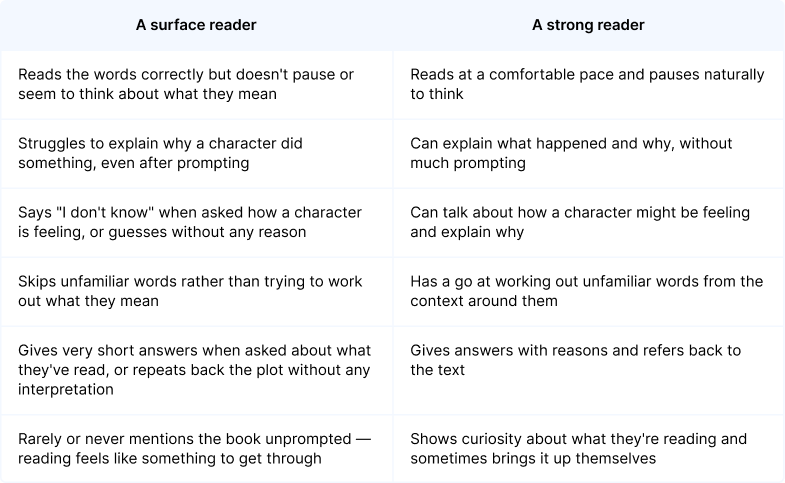
If your child is more represented by the left column, don't worry. It simply means some reading skills are still developing, and that's exactly what this guide is here to help with.
How to check your child's reading at home
You don't need any special materials. This simple check takes around 20 minutes and gives you a clear picture of where your child's reading actually is.
Step 1: Pick a book that's slightly challenging
Choose something they enjoy but that isn't too easy. If they sail through it without hesitation, it's probably a little too easy.
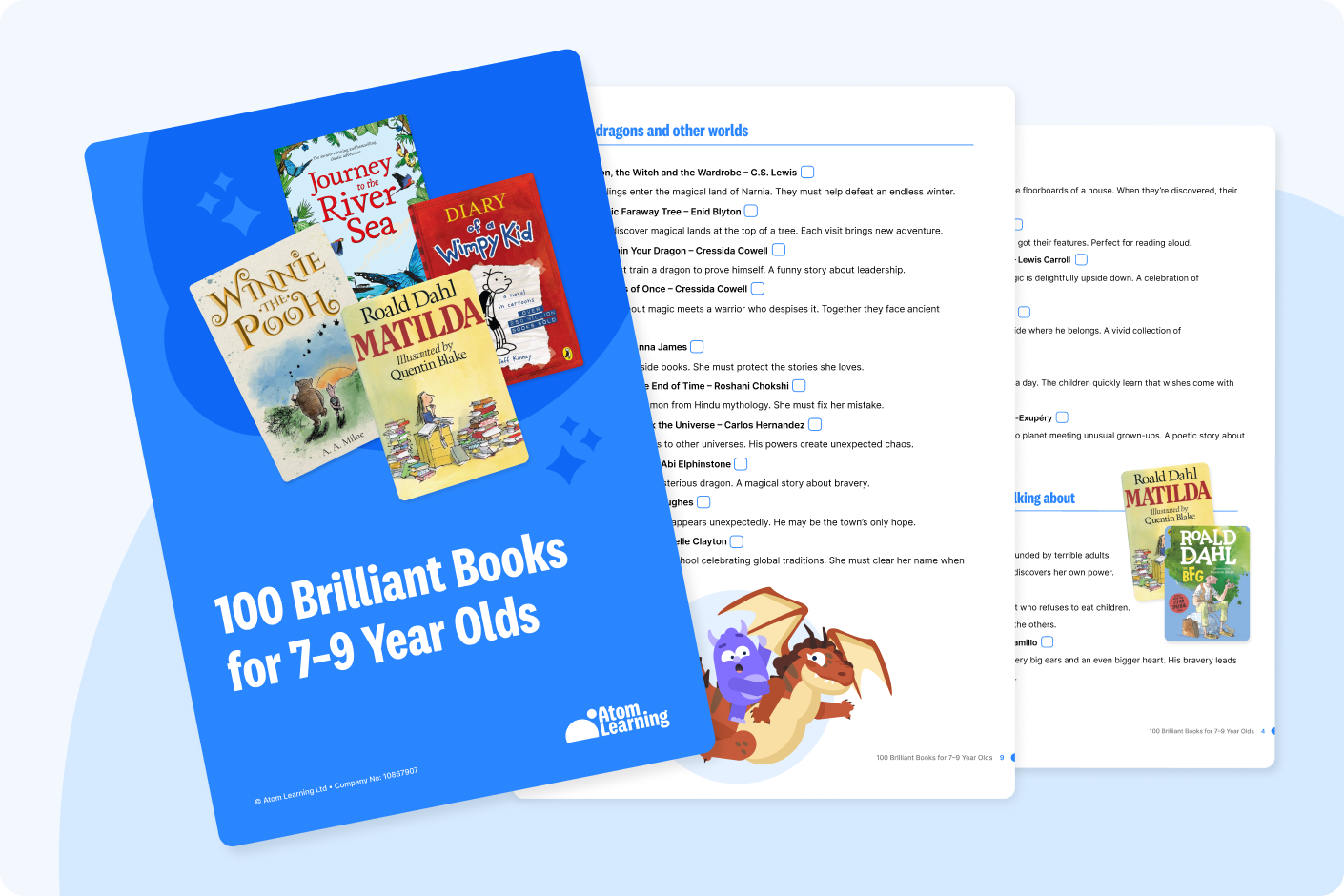
Need inspiration? Take a look at our list of 100 brilliant books for 7–9 year olds.
Step 2: Listen to them read
Ask your child to read a page or two aloud. You're not testing them, just listening.
Notice whether they read with confidence, whether they slow down at tricky words, and whether they seem to be following the meaning as they go.
Step 3: Ask a few questions
This is the most useful part. After they've read, ask:
- Why did the character do that?
- How do you think they were feeling? How do you know?
- What do you think might happen next, and why?
- What does this word mean here? What makes you think that?
A strong reader will give answers with reasons, refer back to the text, and make reasonable guesses about words they don't know.
A surface reader will often retell what happened without explaining it, or say "I don't know" without attempting an answer. These are exactly the gaps that show up in 11+ comprehension papers.
Step 4: Try one vocabulary question
Pick one word from the text your child might not know. Ask them what they think it means and what helped them work it out.
If they're not sure, give a simple explanation, then find a fun way to make it stick.
Ask them to use it in a sentence, spot it elsewhere, or come back to it the next day.
These four steps give you a solid starting point. To turn what you've noticed into a clear plan, take our free reading quiz. Seven questions, and you'll come away knowing precisely where to focus.
What to do next
Whatever the check revealed, the most important thing now is the same: build a consistent daily reading habit, and make sure it's targeted at the right things.
The families who get the best 11+ results aren't the ones who do the most. They're the ones who started early and showed up consistently. Small daily sessions, focused on the right skills, build the kind of understanding that holds up under exam pressure and that cramming simply can't replicate.
If your child is reading well:
Keep reading daily and gradually increase the challenge.
Start asking deeper questions not just what happened, but why, and what the author intended.
On Atom, you can see exactly where your child's reading strengths lie across inference, comprehension, vocabulary, and retrieval, giving you confidence in what's working and a clear direction on where to push further. It's the difference between assuming they're on track and knowing it.
If your child showed signs of surface reading:
Start with books they genuinely enjoy — engagement always comes before depth.
Focus on one thing at a time: this week, work on asking why. Next week, focus on vocabulary.
Atom can help you understand exactly where to focus. Your child works through short daily sessions on the platform, answering questions that build a clear picture of where they're struggling with reading.
You can see precisely which skills need the most attention, so when you sit down to read together, you already know what to work on. Every session becomes more targeted, and every 15 minutes counts.
What a good reading session looks like
Knowing you should read daily is one thing. Knowing what to do in those 15 minutes is another.
Before they start, give them one thing to look out for — "see if you can spot a word you don't know" or "think about whether you like this character and why." This small prompt shifts them from passive to active reading before they've even started.
While they read, resist the urge to jump in. If they stumble on a word, encourage them to try working it out first. The attempt matters as much as the answer.
After they read, ask one or two questions not to test them, but to start a conversation.
- What was the most interesting part?
- Was there anything that surprised you?
There are no wrong answers. What you're building is the habit of thinking about what they've read, and that habit, developed consistently, is exactly what the 11+ rewards.
Your next steps
Preparation doesn't need to be intense to be effective. Here's what to do now:
- Do the 20-minute reading check — it takes less time than you think and tells you a lot
- Build a daily reading habit — 17 minutes a day is 100 hours of practice a year
- Focus on the questions behind the words — why, how, and what the author intended
- Work on one vocabulary word per session — small and consistent wins over occasional and intense
- Use Atom to see the full picture — so you always know exactly what's developing and what needs more attention
Everything you need to put this into practice is in one place. Our free 11+ Literacy Hub gives you book lists, writing prompts, vocabulary tools and a reading quiz, clear guidance and practical resources with none of the guesswork.
Help your child ace the 11+
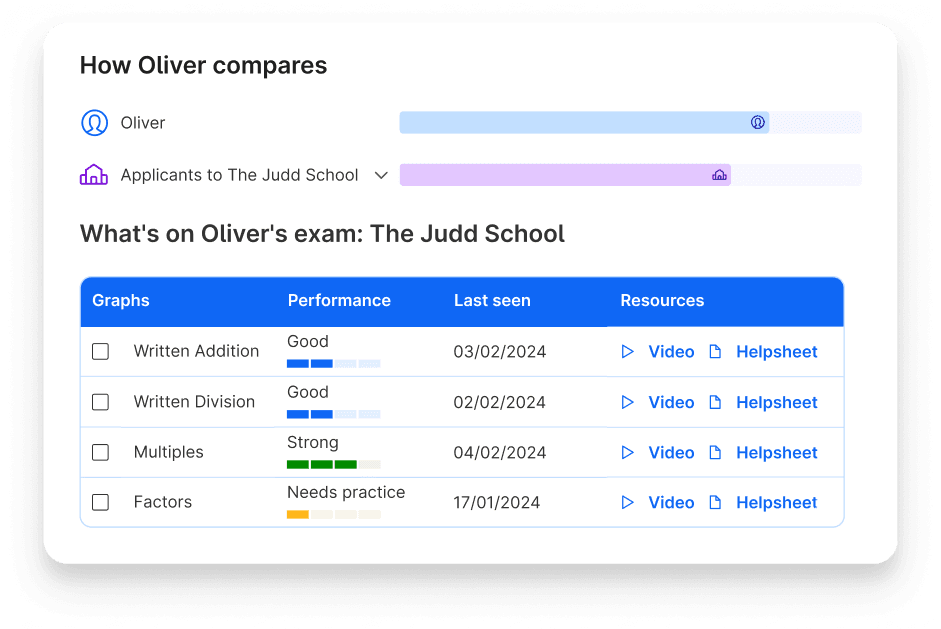
Get the pass mark you need with Atom Home – the leading exam platform for grammar and independent schools.
- Tailored exam prep plans for your child's target schools
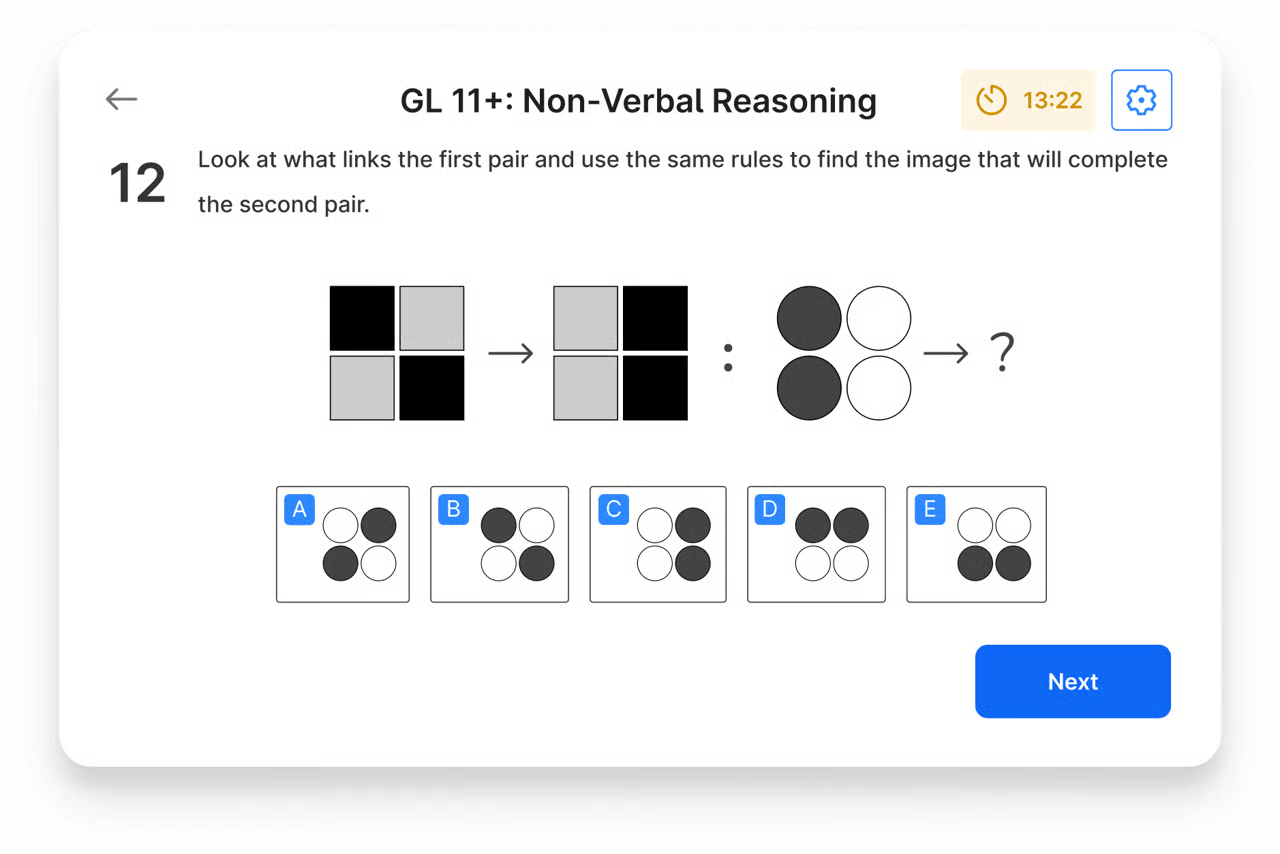
- Practice questions for every 11+ topic
- Unlimited mock tests for every UK exam and school
- Performance data that shows how your child compares to other candidates (plus their standardised age score!)
Join 100,000+ families who trust Atom to help their children excel in Key Stage 2 and entrance exams. Endorsed by grammar schools, loved by parents.
Related posts