Your Year 11 revision timeline
This is when revision gets serious. Use this timeline to stay on top of every stage, from your first autumn term sessions all the way to exam day.



Whether you are just starting Year 10 or already deep into Year 11, knowing when to start revising and what to do each month can make a huge difference to your results.
This guide takes you step by step through your revision journey, from building good habits in Year 10 to exam day in Year 11. Read on to find out more.
Short answer: yes. You do not need to spend hours revising every night in Year 10. But building small, consistent habits early on makes Year 11 much less stressful.
GCSEs cover a lot of content. If you wait until Year 11 to start, you will find yourself trying to learn everything from scratch at the same time as sitting mock exams and preparing for the real thing. Starting earlier gives you more time to understand the topics properly, rather than rushing through them.
Even 20 to 30 minutes of review per subject, per week, in Year 10 can make a big difference. Think of it as topping up your knowledge as you go, rather than cramming everything in at the end.
You can read more about building strong GCSE study habits in our guide.
You do not need to spend hours revising every night in Year 10. Small, consistent habits are all it takes. Here is what to focus on each month.

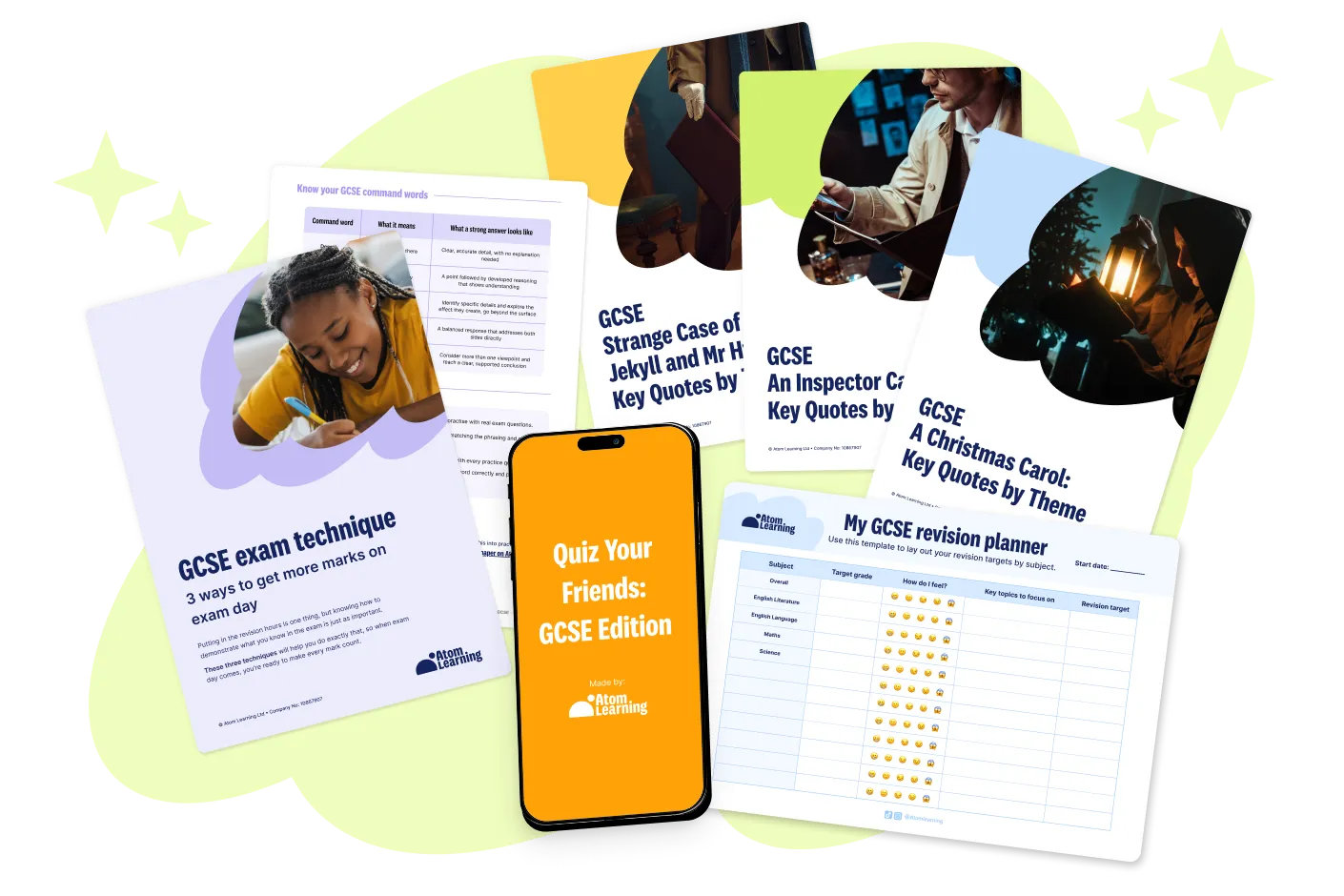
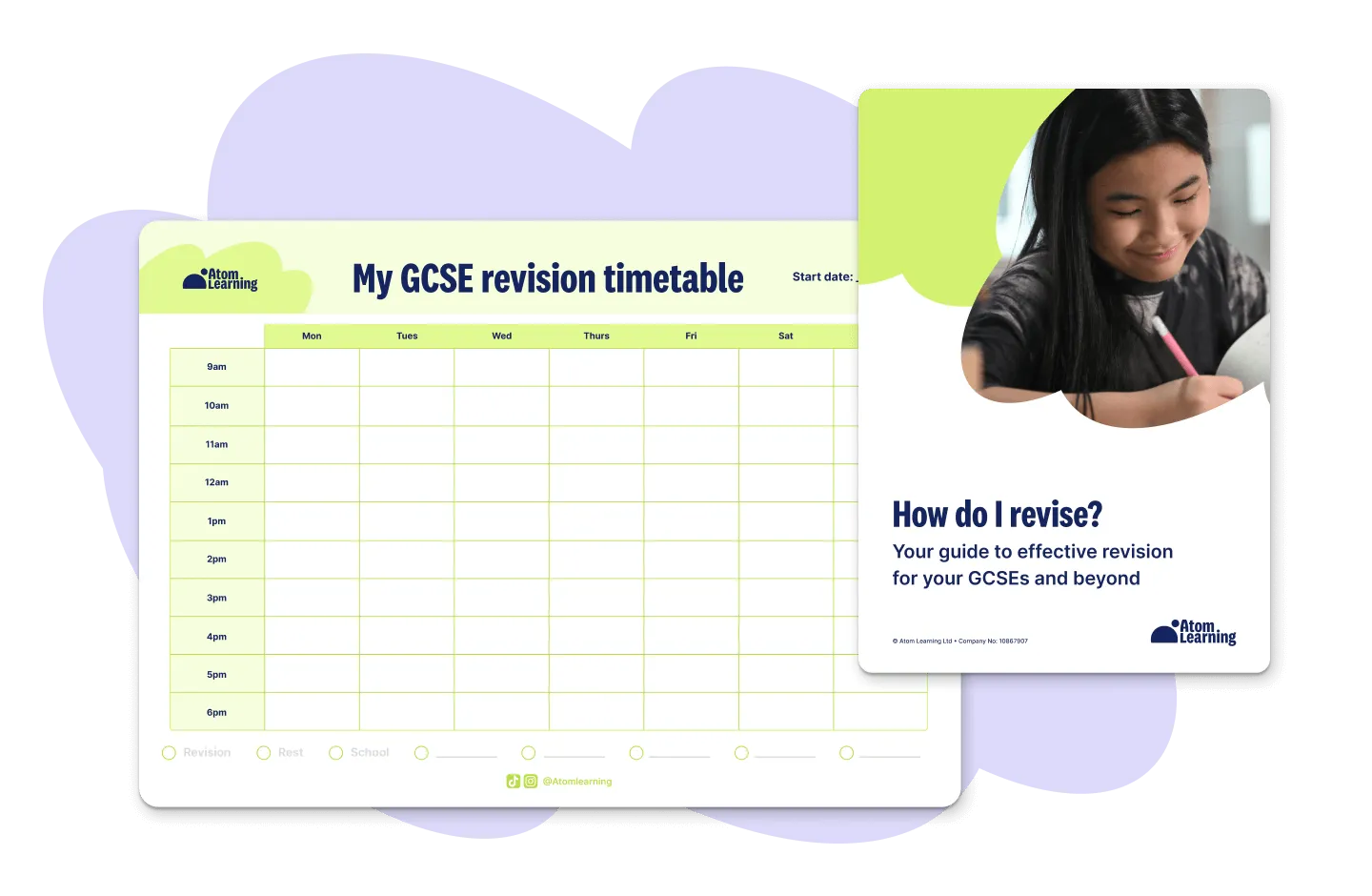
From revision planners to formula sheets, we've got the tools to make revision feel a little less daunting.
All free. All in one place.
This is when revision gets serious. Use this timeline to stay on top of every stage, from your first autumn term sessions all the way to exam day.
Less stress, more success! Get your free GCSE revision planner and our handy guide to effective revision today.
No two students revise in exactly the same way, and that is fine. Some people work best in the morning, others come alive at night. Some like long sessions with big breaks, others prefer lots of short bursts throughout the day. The timeline in this guide is a framework, not a rigid set of rules. Make it work for you.
What does matter, whatever your style, is that you are looking after yourself along the way. That means getting enough sleep, eating regularly, and actually taking your breaks rather than just planning to. A well-rested brain genuinely does learn better, and no amount of extra revision hours will make up for running on empty.
It is also worth remembering that revision is a long process. There will be days when it clicks and days when nothing seems to go in. Both are completely normal. The goal is not perfection; it is consistency. Show up, do what you can, and trust that it is adding up, even when it does not feel like it.
Re-reading your notes feels productive, but it is one of the least effective ways to learn. After finishing a topic, close your notes and try to write down everything you can remember. Then check what you missed. The harder your brain has to work to recall something, the better it will stick.
Past papers are the single most effective revision tool you have, but only if you use them well. Do them under timed, exam conditions, then mark them carefully using the official mark scheme. After marking, write one sentence for each question you got wrong explaining why you lost the marks. This forces you to understand your mistakes rather than just moving on.
Revision is a long game, and a tired brain does not learn well. Build regular breaks into every session and aim for at least 8 hours of sleep during revision periods. The Pomodoro method works well for many students: revise for 25 minutes, take a 5-minute break, and after four rounds, take a longer 20- to 30-minute break.
Plenty of students look back after their GCSEs and wish they had started sooner. But with a clear plan, it does not have to be that way.
You have got the plan. Now it is just about showing up. Start where you are, work through it month by month, and trust the process.
Atom GCSE is there to keep you on track every step of the way, so you always know what to do next, and nothing gets left to chance. And the best part? You can get started for free.
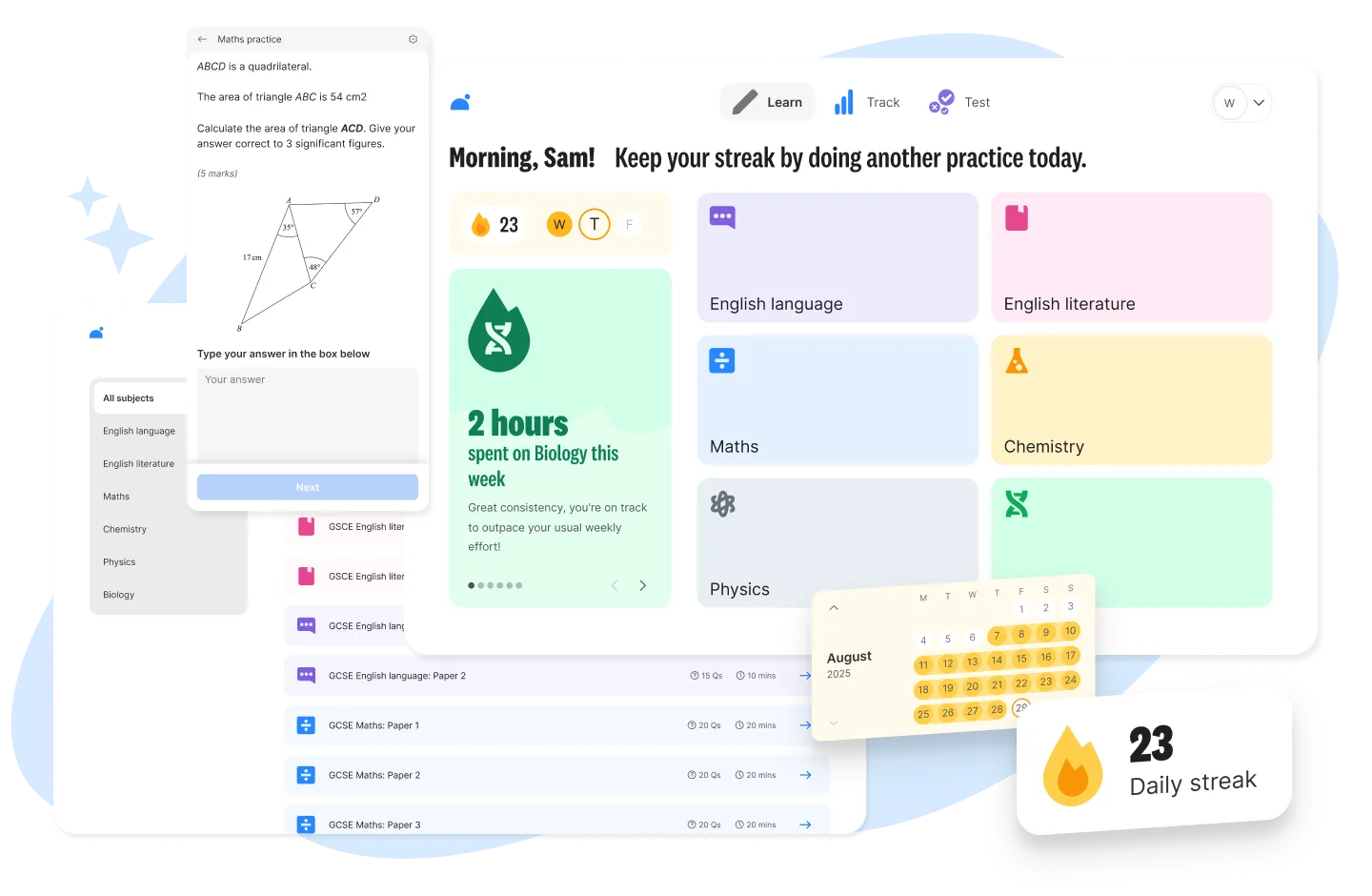
Feeling confident about your GCSEs comes from knowing what to revise, how to improve, and where to focus next.
🔮 GCSE practice papers based on our team's 2026 exam predictions
🎓 Guided courses that cover all the topics on your exams
✍️ Instant feedback that tells you where you’ve gained and lost marks
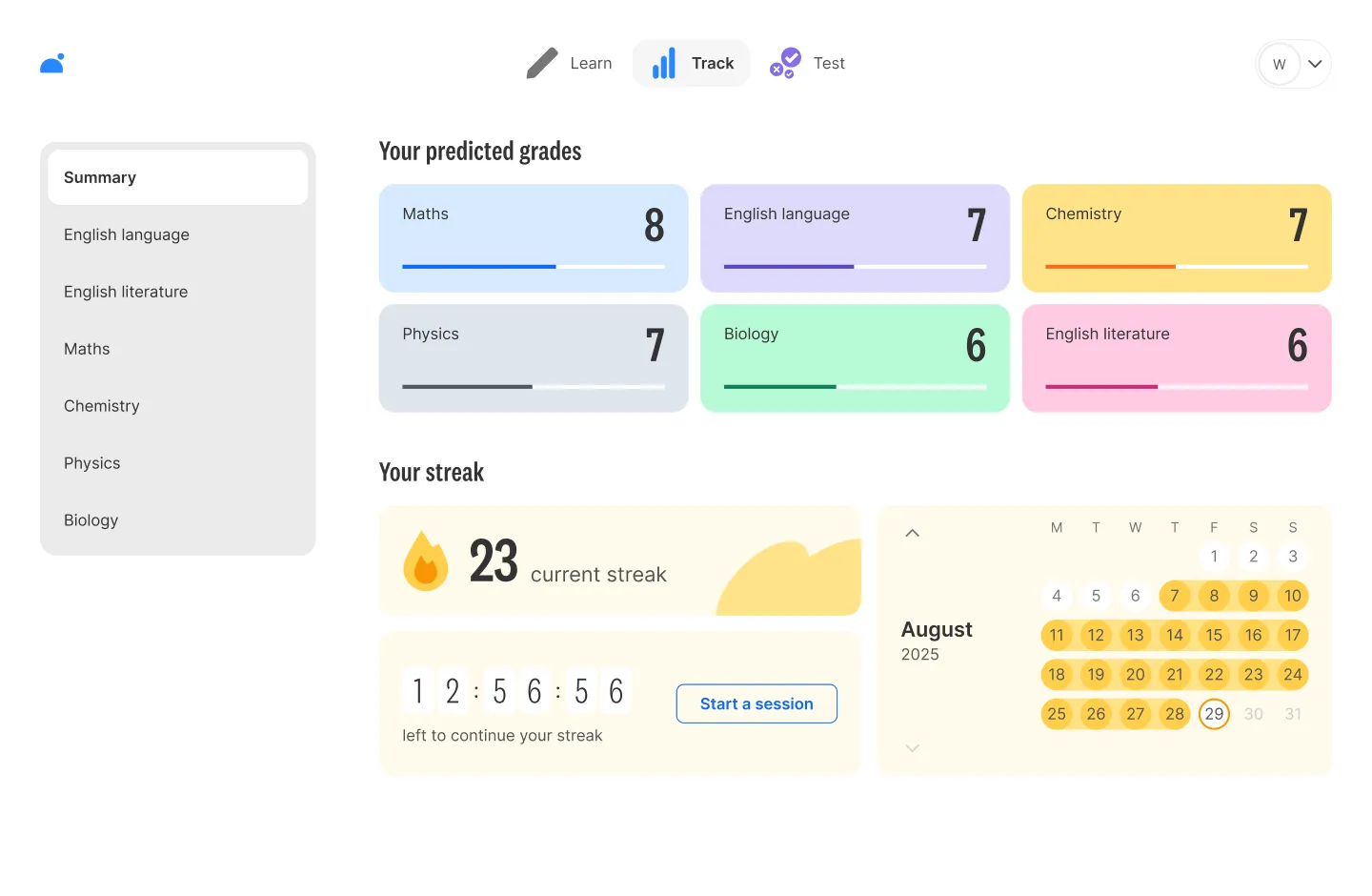
📈 Predicted GCSE grades and topic-by-topic tracking
Create your free account and start making real progress today.