
Back to blog

AQA vs Edexcel: what’s the difference for GCSEs?

By
Atom
|
November 17, 2026

Ever wondered why GCSE revision resources often specify “AQA” or “Edexcel”? For anyone preparing for GCSEs, understanding the difference between exam boards can make a big impact on how revision is planned.

In this guide, we’ll explain:

  • Who AQA and Pearson Edexcel actually are
  • Whether one board is harder than the other
  • How the two compare across core GCSE subjects
  • What this means for revision and exam preparation

What is an exam board?

An exam board is an organisation that writes the specification for a GCSE, sets the exam papers and marks them. In England the three main boards are AQA, Pearson Edexcel and OCR, with WJEC Eduqas also used by some schools.

Schools choose which board to follow for each subject at the start of Key Stage 4, and different subjects in the same school are often with different boards. All boards cover the same national curriculum content and lead to the same GCSE qualification. What differs is the assessment style, the paper structure and the mark scheme.

What does AQA stand for?

AQA stands for the Assessment and Qualifications Alliance. It is a registered charity and an independent education organisation, and it is the most widely used exam board in England. You will see it written as AQA on every past paper and specification it produces.

What is Pearson Edexcel, and how are Pearson and Edexcel related?

Edexcel and Pearson are the same organisation. Edexcel is the exam board, and Pearson is the company that owns it, which is why papers and specifications are branded “Pearson Edexcel”.

Edexcel was formed in 1996 and was acquired by Pearson in 2003. If a teacher says “Edexcel” and a revision guide says “Pearson”, those are the same board, not two different ones. Pearson Edexcel is also the only one of the main English boards to offer International GCSEs, which is why it is widely used in international schools.

Is AQA or Edexcel harder?

Neither board is harder than the other overall. Both are regulated by Ofqual, and the grading system is designed so that a grade 7 means the same thing whichever board awarded it.

What genuinely differs is the style of the questions, and that is what makes one board feel harder than the other to a particular student:

  • AQA questions tend to be broken into shorter, more structured parts, which suits students who like to be guided through a method step by step.
  • Edexcel questions are more often longer and multi-step, with more data analysis and unfamiliar real-world contexts, which suits students who are confident working out which method to use before applying it.

Grade boundaries are also set after each series, once the papers have been marked, specifically so that a harder paper does not disadvantage the students who sat it. A board whose papers were more demanding in a given year will have lower boundaries that year. Atom explains this in more detail in how GCSE grade boundaries are decided.

In practice, the board your school has chosen is almost always fixed, so the useful question is not which is harder but how to prepare for the one you are actually sitting.

Key differences: AQA vs Edexcel

Here’s a breakdown of the main differences between AQA and Pearson Edexcel at GCSE level:

The main differences between AQA and Pearson Edexcel at GCSE level, covering how widely each board is used, question style, assessment structure, support resources and subject range.
FeatureAQAPearson Edexcel
PopularityThe most widely used exam board in EnglandAlso widely used, especially in international schools
StyleClear and accessible question wordingOften includes more data-driven and problem-solving questions
AssessmentTends to break content into shorter, structured questionsOften has longer, multi-step questions
ResourcesExtensive support materials and past papers availableStrong range of digital resources, especially for maths and science
Subjects offeredWide subject rangeBroad subject offering, including International GCSEs (iGCSEs)

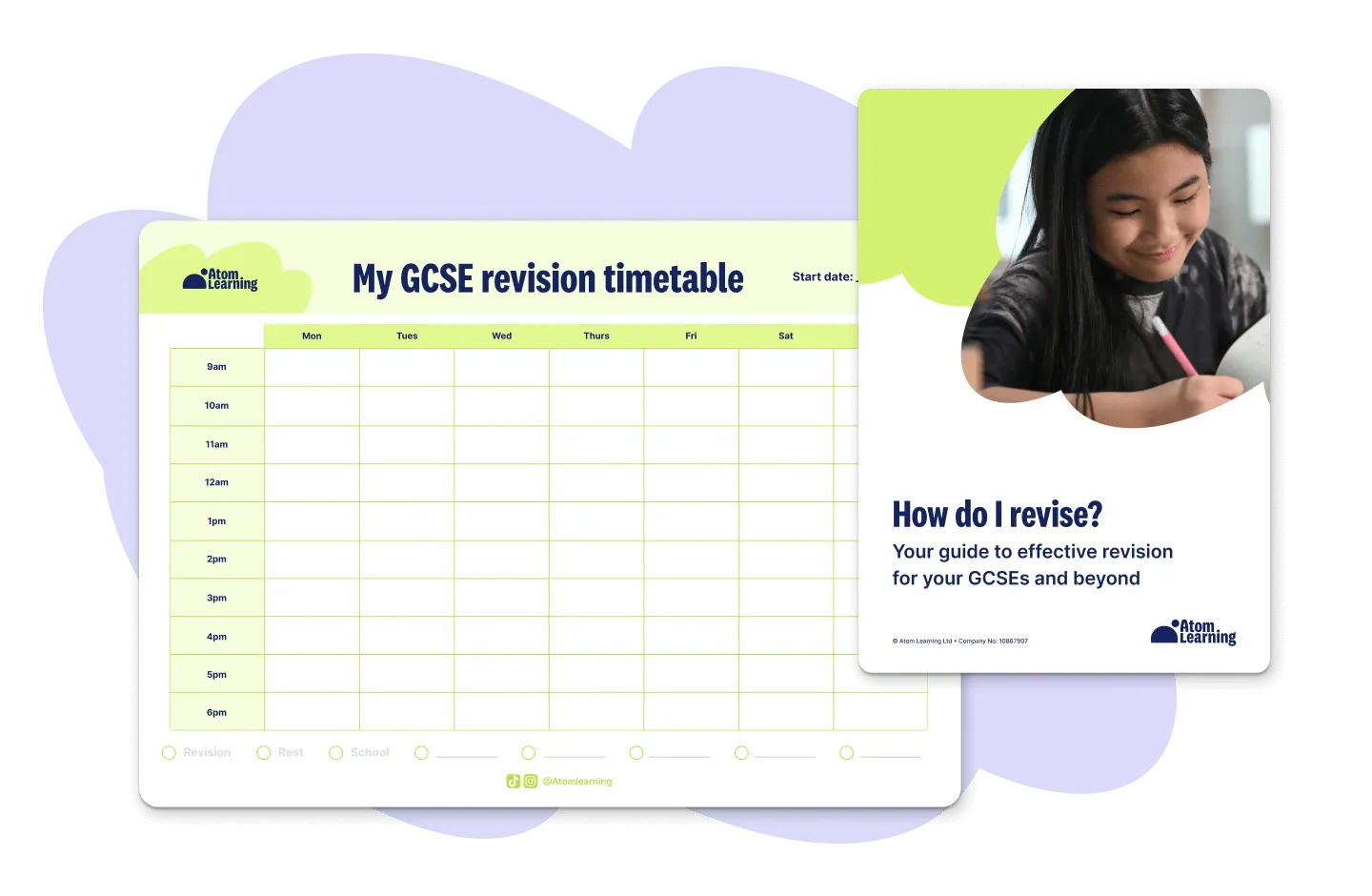
Download your free GCSE revision planner

Less stress, more success! Get your free GCSE revision planner and our handy guide to effective revision today.

Download now

Subject-specific comparison

Maths

Both boards examine the same content across three papers, one non-calculator and two calculator, at either foundation or higher tier.

AQA

  • Maths papers tend to be clearly structured, helping students know exactly where to show their working.
  • The mark schemes reward logical steps, which suits students who prefer a methodical approach.

Pearson Edexcel

  • Edexcel maths has a reputation for including more complex, real-world problem-solving.
  • Some students find the questions trickier, though it is a good fit for those who enjoy applying maths to unfamiliar situations.

Tier matters more than board here. A student on foundation tier can achieve up to a grade 5 on either board, which Atom covers in the difference between higher and foundation tier.

Science

AQA

  • Breaks the sciences into clear, separate sections: biology, chemistry and physics, making it easier for students to track their progress.
  • Required practicals are straightforward, and most questions are structured, guiding students step by step through their answers.

Pearson Edexcel

  • Science leans more heavily into data analysis and real-life applications.
  • Expect more multi-step questions that test how well students can interpret information and link ideas across topics.

English language

AQA

  • Paper 1 explores a single fiction source in Section A. Students answer structured questions that build up to an extended analysis of language and structure.
  • In Section B they are asked to write creatively, often describing a scene or narrating a short story.
  • Paper 2 switches focus to non-fiction, using two linked sources to explore viewpoints and develop persuasive writing.

Pearson Edexcel

  • The exam typically includes two reading sources from the start, which students must compare and analyse.
  • Section B leans more towards transactional writing, such as speeches, letters or articles.

English literature

AQA

  • AQA English literature exams are all closed-book, so students must memorise key quotes and themes.
  • The questions are essay-based and focus on character, theme, and how writers use language.

Pearson Edexcel

  • Edexcel papers offer more flexibility, with different routes allowing schools to choose texts that suit their students best.
  • Some specifications, such as the Edexcel iGCSE, allow open-book exams, which reduces the pressure on memorisation.

Does the exam board matter?

Yes and no.

Yes, because each board has its own question styles, practical assessments and mark schemes. Preparing with the correct past papers and understanding what the examiner is looking for makes a real difference.

No, because both lead to the same qualification. Universities and employers do not prefer one board over the other, and a grade 7 from AQA is a grade 7 from Edexcel.

The thing that matters is revising with resources tailored to the board you are actually sitting, so that you practise the right question formats and cover the right content.

How to find out your exam board

If you are not sure which board you are studying with, the quickest check is a past paper or revision booklet you have already been given: the board is printed on the front page, usually with a specification code such as 8300 for AQA GCSE maths or 1MA1 for Edexcel.

You can also check:

  • Your GCSE Statement of Entry, which lists the board and specification code for every subject
  • Your school’s online learning platform, where resources are usually saved with the board in the file name
  • Your school’s GCSE curriculum guide or options booklet
  • Your subject teacher or your school’s exams officer

Atom has a full guide to finding out which exam board you are with, including a lookup table of specification codes for every GCSE subject across AQA, Edexcel and OCR.

Summary: AQA vs Edexcel at a glance

Most students do not get to choose between AQA and Edexcel, and neither board is harder than the other once grade boundaries are taken into account. What changes is the style of the questions: AQA leans towards shorter, structured questions, and Edexcel towards longer, multi-step ones.

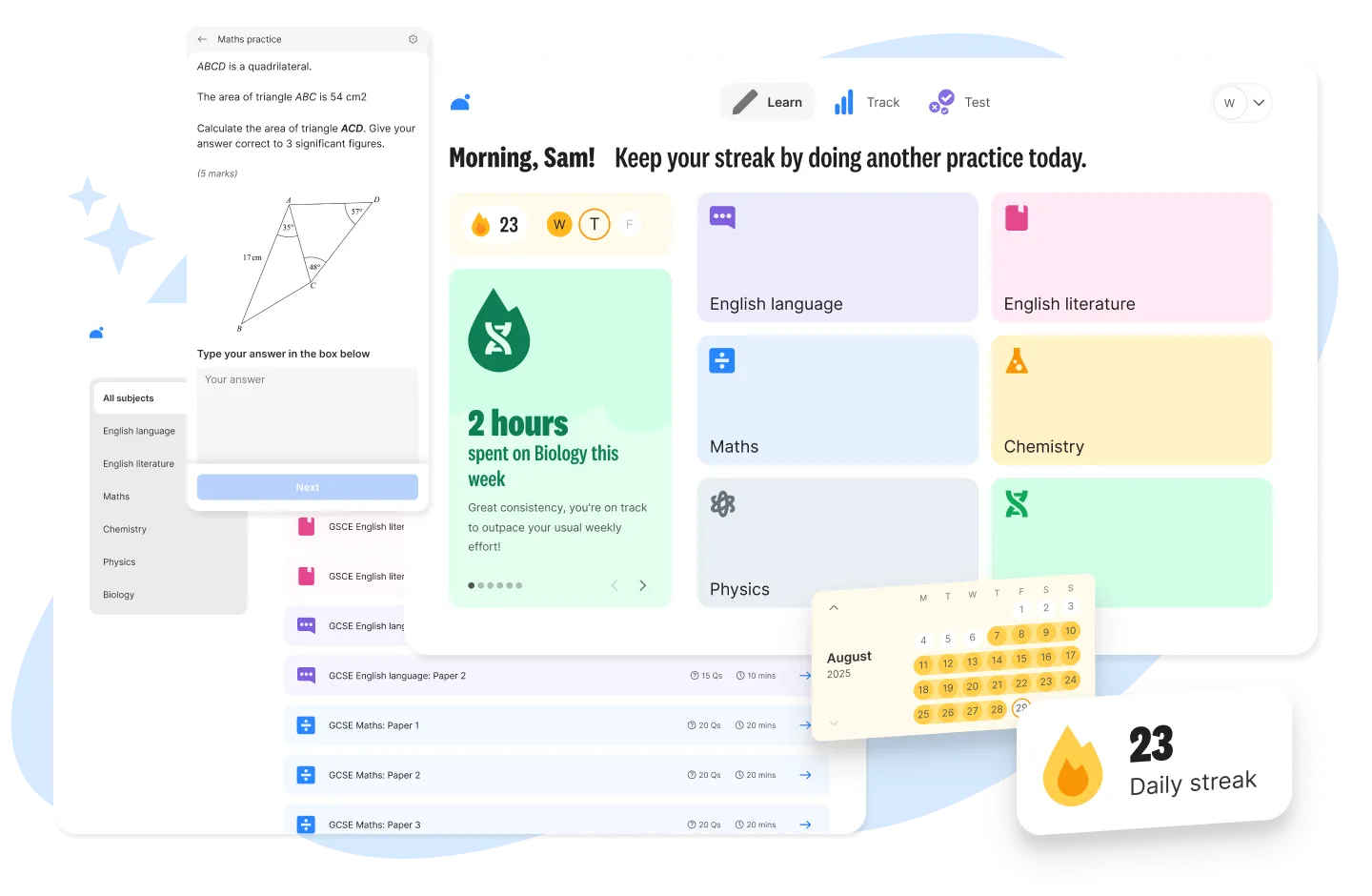
Knowing which board you are with, and practising the right question format, is the first step to exam confidence. Once you know, Atom covers your subjects against your specific board, with practice questions marked instantly and examiner-style feedback on written answers.
No items found.
No items found.
No items found.

Take control of your GCSE revision

Everything you need for GCSE success, in one place.

Feeling confident about your GCSEs comes from knowing what to revise, how to improve, and where to focus next.

🔮 GCSE practice papers based on our team's 2026 exam predictions

🎓 Guided courses that cover all the topics on your exams

✍️ Instant feedback that tells you where you’ve gained and lost marks

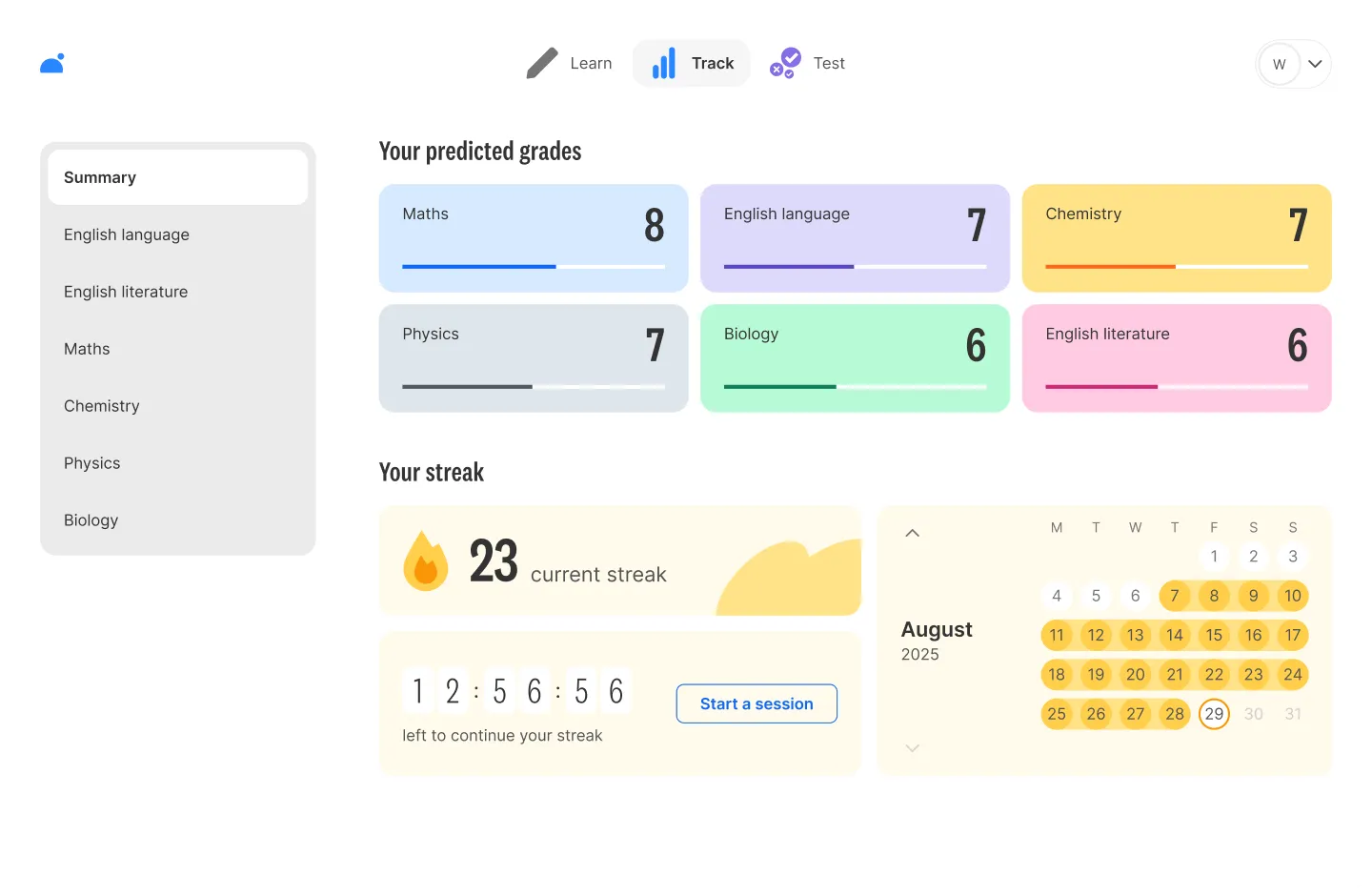
📈 Predicted GCSE grades and topic-by-topic tracking

Know where you stand and how to improve

Create your free account and start making real progress today.

Online GCSE revision

Contents