

Results-day anxiety: why it happens and how to cope

Whether you're the one collecting results or waiting alongside someone who is, the run-up to GCSE results day can bring a surprising amount of anxiety. This guide explains why results-day nerves are so common, and offers practical ways to cope, whichever side of it you're on.
This blog will cover:
- Why results day causes so much anxiety
- Ways students can manage results-day nerves
- Ways parents can support without adding pressure
- What to do if the worry feels like too much
Why does results day cause so much anxiety?
Results day sits at the end of months of uncertainty, and the brain tends to find uncertainty uncomfortable. There's no way to know the outcome in advance, no way to change it once exams are over, and often a sense that a lot rests on a single morning. That combination, high stakes plus no control, is a well-known recipe for anxiety.
It's also a moment that gets talked about a lot, at school, at home, and online. That visibility can make the day feel bigger than it is, even though for most people, results day is one part of a much longer journey rather than a single defining moment.
How can students manage results-day nerves?
A few small things can make the lead-up and the day itself feel more manageable.
Talking about the worry, with a parent, a friend, or a teacher, tends to shrink it. Anxiety often feels bigger when it's kept entirely private. Saying the specific fear out loud, like "what if I don't get the grade I need," often makes it easier to think through calmly rather than just feel.
It also helps to have a plan for the morning itself. Knowing where to go, what time, and who'll be there removes some of the uncertainty that fuels the nerves in the first place. Our guide to GCSE results day 2026 covers exactly that.
Finally, it's worth remembering that a result is a starting point, not a final verdict. There's almost always a next step available, whatever the outcome, and knowing that in advance can take some of the pressure off the day itself. Teachers will also be there on the day itself, and talking through any concerns with them, whatever the results say, is exactly what they're there for. The support doesn't stop once the exams are over.
How can parents support without adding pressure?
Wanting to help is completely natural, and just being there, calmly and without an agenda, already does more than it might seem. A few things tend to make a real difference.
Asking open, gentle questions gives more room to talk honestly than questions that already hint at an expected answer. "How are you feeling about it?" invites an honest reply in a way that "you're not still worried, are you?" doesn't. Sometimes the most supportive thing to do is simply listen, without jumping straight to reassurance or advice.
Try to avoid comparisons to siblings, friends, or even a parent's own results at that age. They're almost always meant kindly, but they can land as pressure rather than encouragement. Every young person's path looks different, and what matters most is how their results line up with what they want to do next, not how they measure up against someone else.
It also helps enormously to be ready for any outcome in advance, rather than quietly hoping for the best and having no plan otherwise. Simply knowing that there's a calm, supportive plan whatever the results say can ease the anxiety for everyone in the house, not just the person collecting them. Whatever the day brings, showing up with patience and warmth will mean more than anything said on the day itself.
What if the worry feels like too much?
Some nerves before results day are completely normal. If the anxiety is constant, though, is affecting sleep or daily life well beyond the day itself, or feels too big to manage alone, it's worth talking to someone, a GP, a school counsellor, or another trusted professional. Schools are used to supporting students through this period and can point towards further help if it's needed.
However the day goes
Results day can feel like the biggest day of the year, but in the end, it's just one day, not a verdict on who someone is or what they're capable of. The anxiety around it is a sign that it matters, not a sign that anything is wrong. Whatever the results say, there's a way forward from there.
From all of us at Atom, good luck!
Take control of your GCSE revision
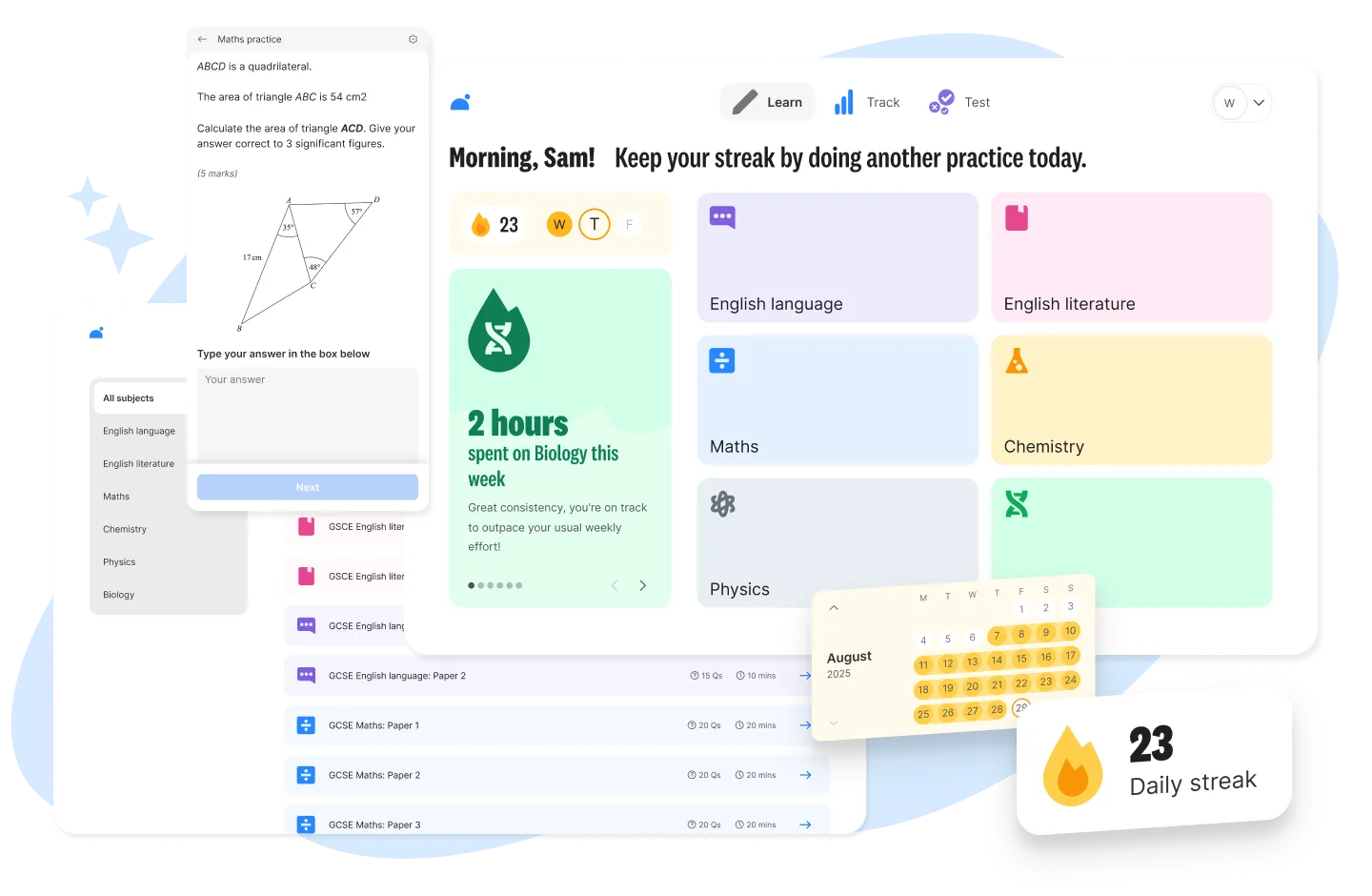
Everything you need for GCSE success, in one place.
Feeling confident about your GCSEs comes from knowing what to revise, how to improve, and where to focus next.
🔮 GCSE practice papers based on our team's 2026 exam predictions
🎓 Guided courses that cover all the topics on your exams
✍️ Instant feedback that tells you where you’ve gained and lost marks
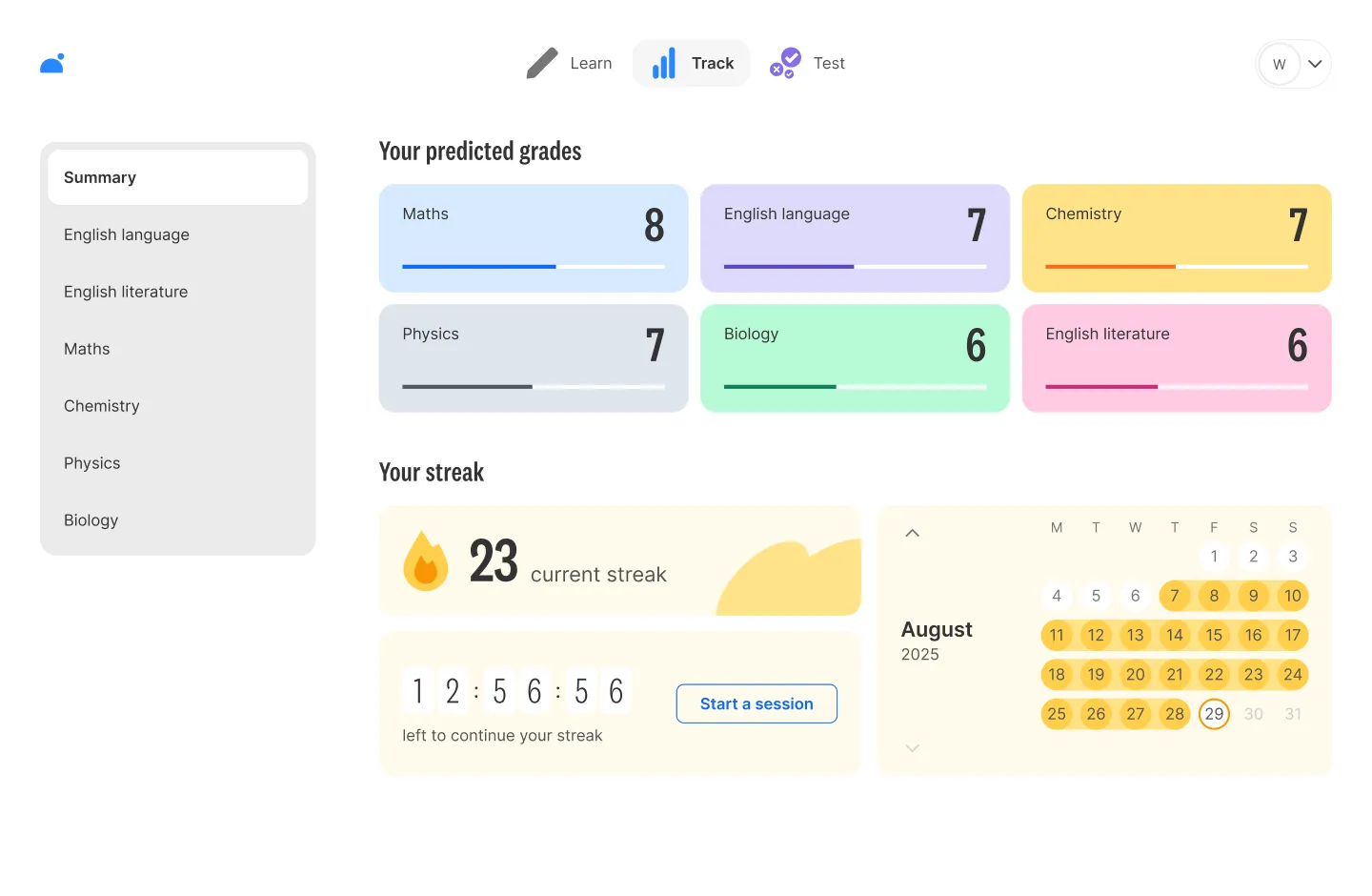
📈 Predicted GCSE grades and topic-by-topic tracking
Create your free account and start making real progress today.
Related posts