

What counts as a good GCSE result?

Scroll through any GCSE forum on results day and it can start to feel like anything less than a grade 9 isn't worth celebrating. That's simply not true, and it's worth untangling before results day arrives. This guide explains what a good GCSE result actually looks like, why it's different for everyone, and how to judge your own results fairly. Read on to find out more.
This blog will cover:
- What "good" actually means on the GCSE grading scale
- Why comparing results to other people's can be misleading
- How to judge whether your results are good enough for your next step
Why does grade 9 feel like the only "good" result?
Online, it's easy to end up only seeing the highest grades. People are naturally more likely to post their best results, and top grades tend to get shared and celebrated the most. Over time, that can quietly shift what feels "normal," even though it isn't representative of most students at all.
In reality, only a small percentage of students achieve a grade 9 in any given subject. It's an excellent result, but it was never designed to be the baseline everyone should be measured against. If a 9 feels like the only outcome worth having, that's a sign of what's being seen online, not a true picture of what a good result looks like.
What does "good" actually mean on the GCSE grading scale?
GCSEs are graded from 9 to 1, with 9 being the highest. A grade 4 is officially a "standard pass," and a grade 5 is a "strong pass." Both of these are genuine achievements, not consolation prizes.
What counts as "good" really depends on what comes next. Someone applying for an academic sixth form course might need mostly 6s and 7s. Someone heading towards an apprenticeship, a vocational course, or a different sixth form pathway might need a very different combination of grades entirely. Neither route is better than the other, they're just different, and "good" should be measured against the goal, not against a national average or someone else's results.
For a fuller explanation of how the numbers work and what each grade represents, our guide to how GCSEs are graded covers it in more detail.
Why comparing results to other people's can be misleading
It's completely normal to wonder how your results measure up. But comparing results with classmates, friends, or people online rarely tells the full story.
Everyone is aiming for something different. Two students with very different grades might both have had exactly the result they needed. Someone posting a top grade online isn't necessarily doing "better" than someone who doesn't post at all; they're just sharing a different part of their journey. If a result feels disappointing purely because it looks smaller next to someone else's, it's worth pausing and asking what that result actually needs to do, rather than what it looks like next to another person's.
It's also worth remembering that a lot of people quietly choose not to share their results at all, for all sorts of reasons that have nothing to do with how well they did. What gets posted online is never the whole picture.
How do you know if your results are good enough for your next step?
The most useful question isn't "is this a good result?" in the abstract. It's "does this result get me where I want to go next?"
Sixth forms and colleges publish entry requirements for their courses, and it's worth checking these directly rather than guessing. Many are also more flexible than their published requirements suggest, especially if a grade is close to what's needed. If a result doesn't quite match what was expected, our guide on what happens if you fail your GCSEs covers appeals, resits and other routes forward, calmly and clearly.
Your results, your path
A good GCSE result is not a fixed number that applies to everyone. It's whatever gets someone to the next stage they've chosen, whether that's a specific sixth form course, an apprenticeship, or simply a strong foundation to build on. Comparing that to a stranger's results online was never a fair measure in the first place.
If a resit is on the cards, it might be worth teaming up with a revision partner that never gets tired, never runs out of practice questions, and never minds being asked the same topic twice.
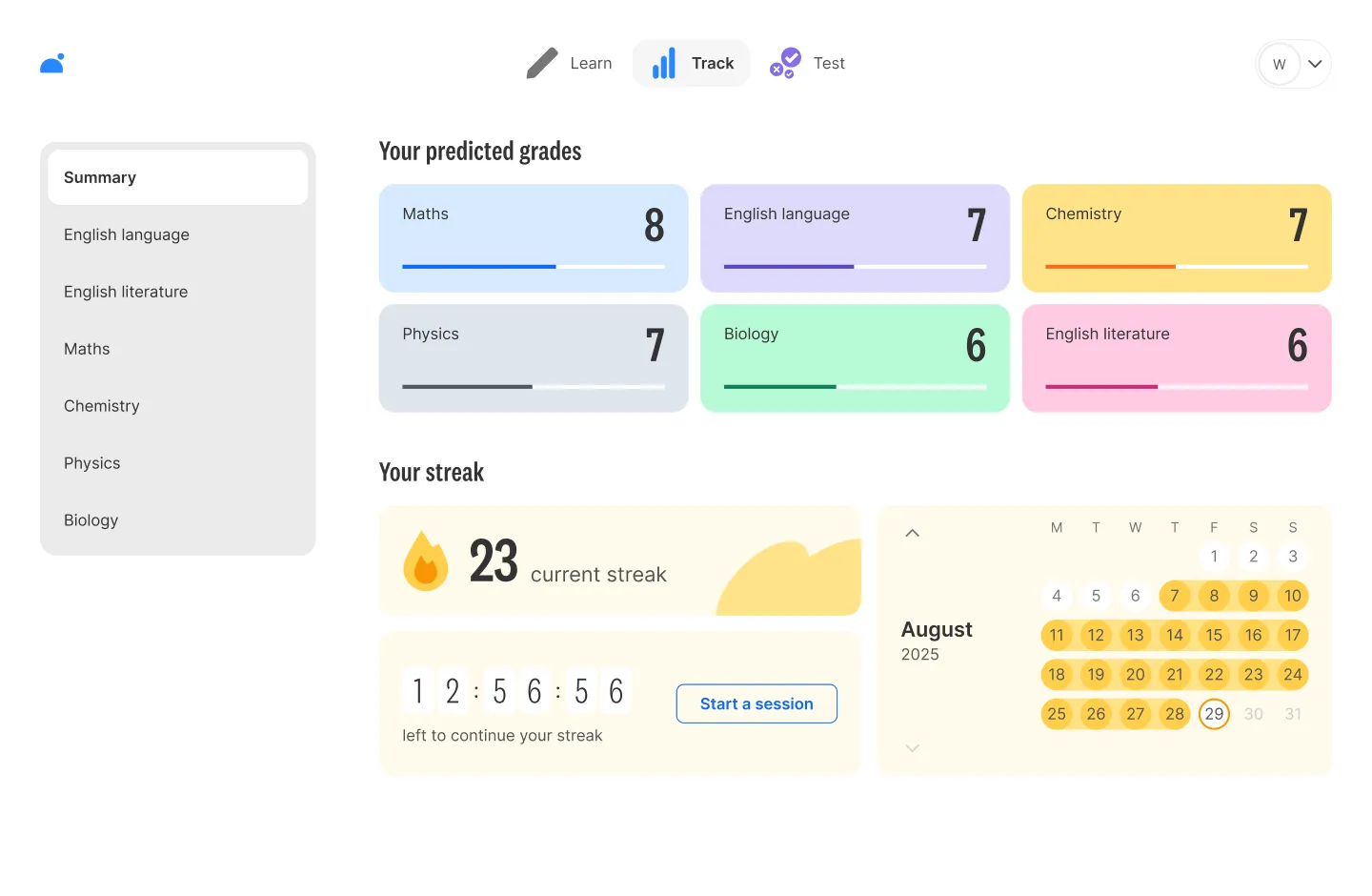
Atom GCSE gives you practice papers based on real exam predictions, guided courses covering the full curriculum, instant, examiner-style feedback on every answer, and predicted grades that track your progress over time, so you always know exactly where to focus next.
Take control of your GCSE revision
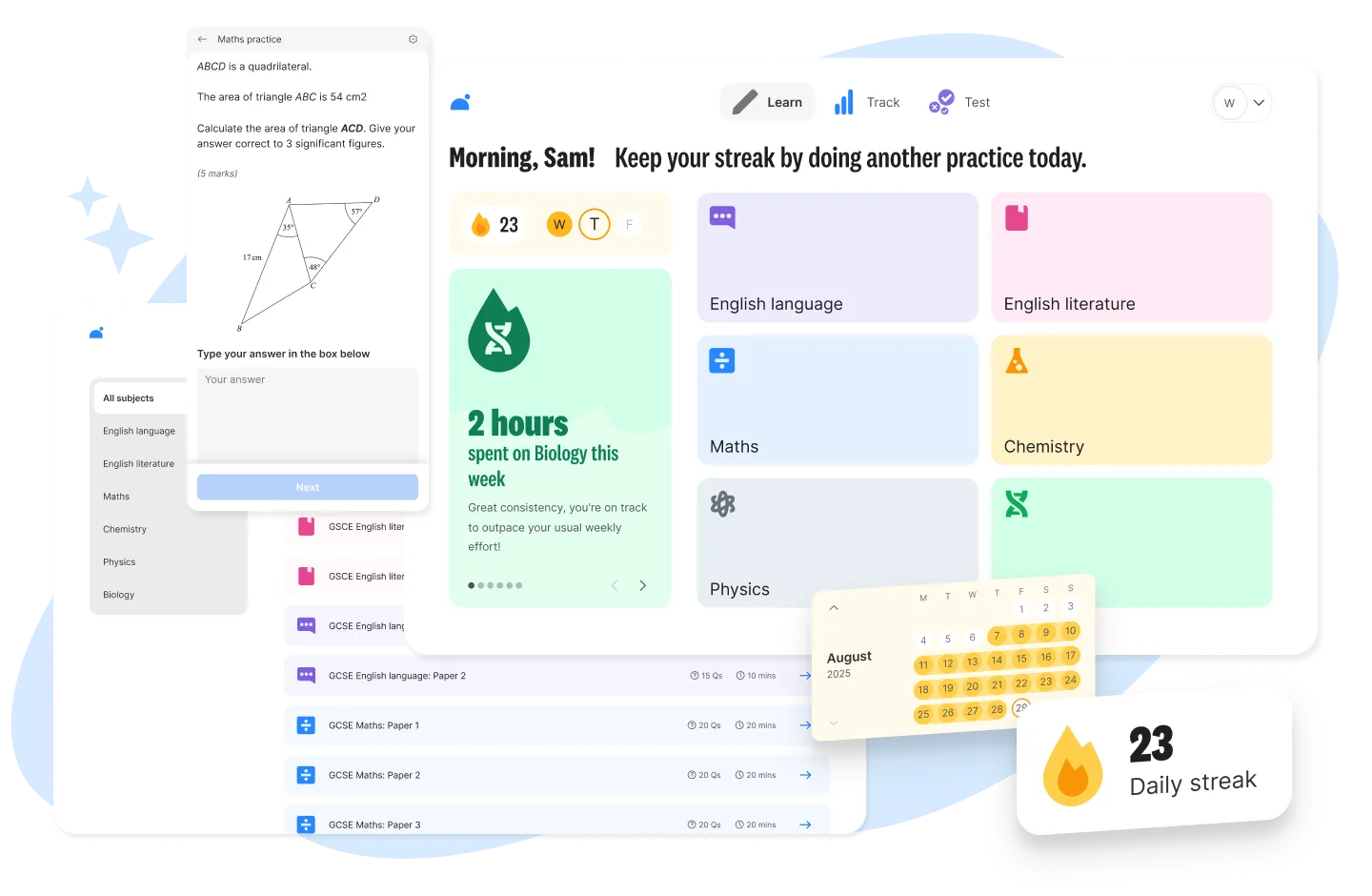
Everything you need for GCSE success, in one place.
Feeling confident about your GCSEs comes from knowing what to revise, how to improve, and where to focus next.
🔮 GCSE practice papers based on our team's 2026 exam predictions
🎓 Guided courses that cover all the topics on your exams
✍️ Instant feedback that tells you where you’ve gained and lost marks
📈 Predicted GCSE grades and topic-by-topic tracking
Create your free account and start making real progress today.
Related posts