
Back to blog

The top 100 universities in the UK: your 2027 guide

By
Atom
|
September 30, 2026

Choosing a university can feel like a long way off when your child is still working towards 11+, GCSEs or A-levels, but the universities they might apply to in a few years' time are already very different from one another in outcomes, teaching quality and graduate prospects. If you're starting to think about what "good" looks like beyond secondary school, a clear, ranked view of the UK's top universities is a helpful place to start.

This blog will cover:

  • The full ranking of the top 100 universities in the UK for 2027 entry
  • How this ranking works, and what the numbers actually mean
  • The difference between Russell Group and other universities
  • How students actually earn a place at universities like these
  • Five ways to help your child build toward a top university place

How does this ranking work?

This ranking is based on data published by The Times in September 2026, covering entry for 2027. It combines seven weighted measures into a single score out of 1,000: teaching quality, student experience, research quality, entry standards, graduate prospects, the proportion of firsts and 2:1s awarded, and continuation rates (how many students stay enrolled after their first year).

A few terms are worth translating before you read the table below:

  • Entry standards is shown in UCAS tariff points, the points system universities use to compare offers. As a rough guide, three A-grades at A-level (AAA) is worth 144 points, while BBB is worth 120 points.
  • Teaching quality % reflects how positively current students rate their teaching, based on the National Student Survey.
  • Graduate prospects % reflects the proportion of graduates in high-skilled jobs or further study 15 months after finishing their degree.

The top 100 UK universities in 2027

Here's the full list, ranked by overall score out of 1,000. Where two universities share a score, they're marked with "=".

Top 100 UK universities for 2027 entry, ranked by overall score with entry standards, teaching quality and graduate prospects.
RankUniversityEntry standardsTeaching qualityGraduate prospectsOverall score
1University of St Andrews21190.8%82.7%1000
2London School of Economics and Political Science18187.6%88.4%996
3Imperial College London19887.4%93%983
4University of Cambridge20787.3%86.3%957
5University of Oxford19788.2%84.1%925
6Durham University17488.6%82.8%914
7University of Warwick16887.3%83.4%904
8University of Bath17185.9%83.6%868
9University of Strathclyde19888.1%80.4%857
10University of Bristol16285.3%79.4%845
11University of Sheffield15687.3%79.9%840
12University of Birmingham14687.9%79.5%830
13Loughborough University14786.9%79.5%829
14University College London16683.6%81.4%818
15University of Glasgow20383.5%77.7%802
16University of Exeter15284.4%78.8%800
17University of Edinburgh19081.7%78.5%799
18=University of Southampton14684.8%78.3%771
18=University of York14284.3%76.4%771
20University of Dundee17987%80.9%769
21University of Liverpool13786%78.1%767
22University of Leeds14884.1%77.2%761
23University of Manchester15982.5%74.7%744
24University of Nottingham14184.8%80.6%740
25University of Surrey12888.4%76.7%739
26Lancaster University13885.4%75.1%738
27Queen's University, Belfast14684.4%80.9%730
28University of Aberdeen17585.7%74.7%726
29King's College London15383%78.2%725
30Newcastle University13983.3%77.4%717
31University of Leicester12086.7%73.4%714
32Cardiff University14483.6%78.1%709
33Royal Holloway, University of London11986.2%68.7%694
34Ulster University11986.7%74.8%692
35University of Reading12086.5%70.1%691
36Queen Mary University of London14584.5%68.6%681
37University of Stirling16485.5%74.5%671
38=Manchester Metropolitan University12287.9%68.7%670
38=Swansea University12087.6%72.2%670
40University of East Anglia12386%75.9%667
41Heriot-Watt University16382.8%75.3%660
42Edinburgh Napier University15284%75.4%650
43Glasgow Caledonian University15983.6%75.8%644
44=University of the Arts London14386.3%55.6%642
44=Nottingham Trent University11288.6%67.7%642
46Keele University11786.5%75.8%641
47=University of Essex10887.6%68.6%631
47=University of Sussex12085.5%63.7%631
49Aston University12085.5%73.8%626
50University of Hull11987%77.5%624
51University of Staffordshire11991%67.8%621
52Northumbria University12284.2%72.1%619
53Bangor University11986.9%72%617
54Liverpool John Moores University12087.4%69.2%616
55Robert Gordon University15387.2%77.4%613
56City St George's, University of London12384.2%75.1%609
57University of Chichester11989%70.3%606
58University of East London11189.9%70.1%604
59University of Hertfordshire11287.9%69.2%595
60Abertay University15288.9%61.6%586
61University of Portsmouth10386.1%67%583
62University of Lincoln10885.1%68.5%580
63Aberystwyth University11088.5%62.6%578
64University of Kent11583.2%64.8%572
65University of the West of England11686.1%69.4%569
66Queen Margaret University, Edinburgh16483.4%70.1%567
67Harper Adams University12283.9%75.6%566
68Teesside University11489.4%74.2%560
69University of Plymouth12684.2%74.6%559
70Edge Hill University11686.3%73.9%556
71Coventry University11388.3%67.4%554
72Hartpury University11888.8%62.3%552
73Leeds Beckett University10687.8%65.9%549
74Norwich University of the Arts12686.2%56.8%543
75=University of South Wales11586.6%67%541
75=University of West London11088.4%65.2%541
77University of Brighton11185.1%66.6%540
78=Cardiff Metropolitan University11685.6%69%538
78=Kingston University11385.7%65.2%538
80Birmingham Newman University10593.3%70.9%530
81University of Salford12485.1%68.5%527
82Goldsmiths, University of London12084.8%57%525
83Sheffield Hallam University11683.4%72.2%524
84=Liverpool Hope University11388.1%63.7%523
84=University of Roehampton8787.3%61.7%523
86University of Winchester10885.5%67.8%519
87De Montfort University10085.9%69.9%518
88University of the West of Scotland12387.1%75.5%516
89Falmouth University12983.8%55.1%514
90Lincoln Bishop University10390.5%74.7%511
91Middlesex University10087%67.4%508
92University of Chester11785.7%69.9%504
93University of Bradford13083%72.2%503
94London South Bank University10486.5%67.3%500
95University of Huddersfield11784.8%68.6%499
96University of Derby10987.6%71.9%498
97University of Wales Trinity Saint David11692.2%52.7%497
98University of Worcester11287.5%80.1%492
99Birmingham City University10886.7%66.4%490
100University of Lancashire11785.3%69.7%489

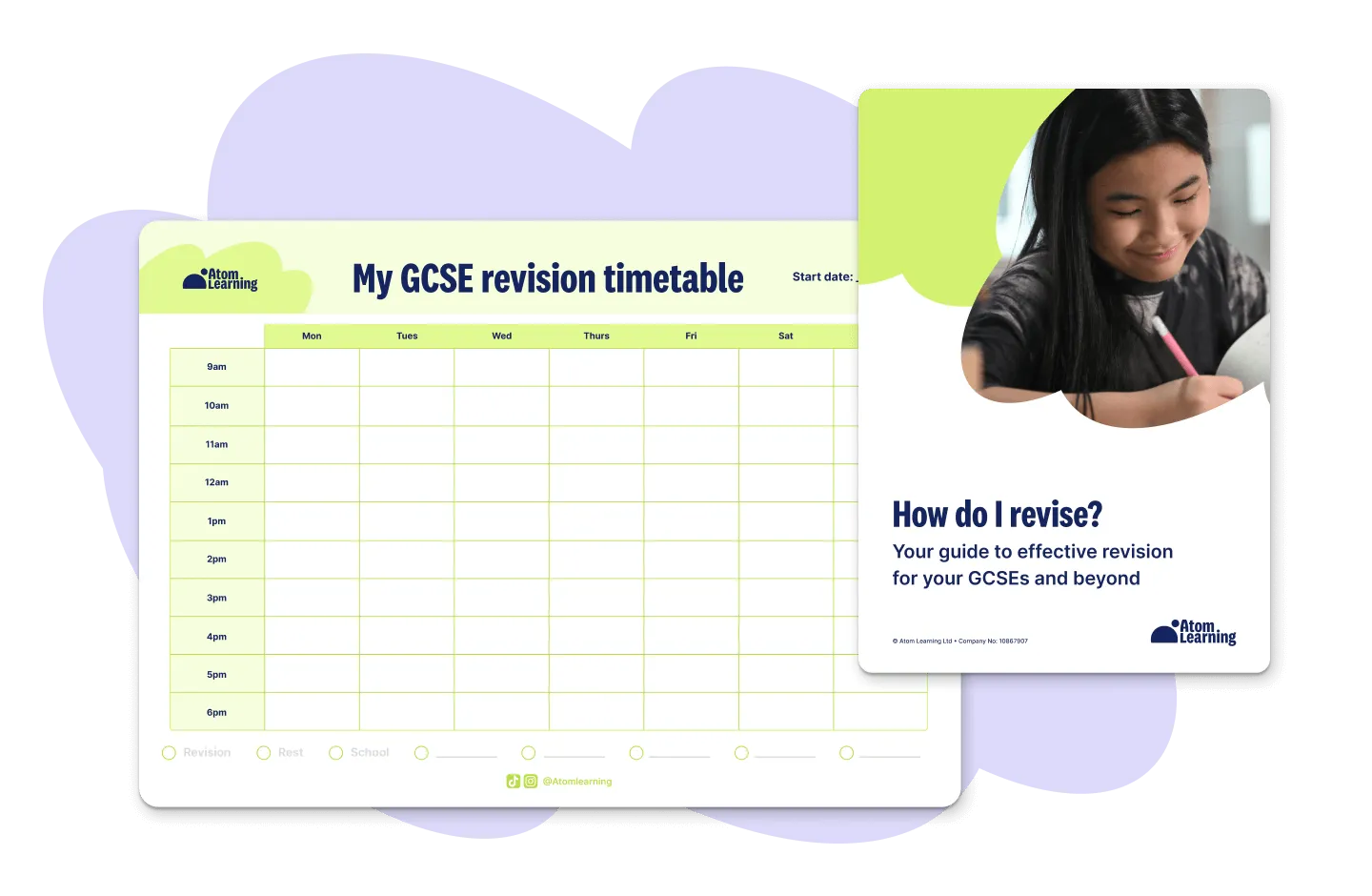
Download your free GCSE revision planner

Less stress, more success! Get your free GCSE revision planner and our handy guide to effective revision today.

Download now

Russell Group vs other universities: what's the difference?

You'll notice a mix of Russell Group and non-Russell Group universities across this table, and it's worth understanding what actually separates them. The Russell Group is a self-selected association of 24 research-intensive UK universities, including Oxford, Cambridge, Imperial, LSE, Durham and Warwick. Membership isn't a formal quality mark - it reflects research funding and output rather than teaching quality alone - and several non-Russell Group universities, such as St Andrews, Loughborough, Bath and Strathclyde, outrank some Russell Group members in this table.

What tends to differ in practice: Russell Group universities generally have higher entry requirements, larger research budgets, and stronger name recognition with some employers and postgraduate admissions panels. But teaching quality, student satisfaction and graduate outcomes vary widely on both sides of that line, which is exactly why a rounded ranking like this one is more useful than a Russell Group/non-Russell Group split on its own.

How do students actually earn a place at universities like these?

University offers are built on A-level (or equivalent) results, but those results don't appear from nowhere in Year 13. They're built on the GCSE foundations a student lays down years earlier: the subject knowledge, exam technique and study habits that make strong A-level grades achievable in the first place. A student who finishes Year 11 with solid, secure grades across their subjects is starting their A-levels from a much stronger position than one who's still filling in gaps.

That's also when subject choices start to matter. The A-level subjects (or equivalents) a student picks after GCSEs shape which university courses and, in turn, which universities are realistically open to them, so it's worth understanding a course's typical entry requirements, in UCAS tariff points, well before applications are due.

5 ways to help your child build toward a top university place

  1. Treat GCSEs as the foundation, not just a hurdle. University offers are built on A-level grades, but A-level grades are built on GCSE-level understanding. Strong, secure GCSE results make everything that follows easier.
  2. Build consistent study habits before Year 11 gets busy. Regular, low-pressure practice across Years 9 and 10 tends to serve students better than last-minute cramming closer to exams.
  3. Know where the gaps are, subject by subject. Every child has stronger and weaker topics. Identifying these early - rather than after a mock exam goes worse than expected - gives more time to close them.
  4. Keep subject choices open for as long as it makes sense. Encouraging breadth at GCSE keeps more university courses and career paths available later, rather than narrowing options too early.
  5. Make consistency the goal, not intensity. A small amount of regular, focused practice most weeks beats occasional long revision sessions, both for wellbeing and for how well the material actually sticks.

Wherever your child ends up applying, the path there starts with the basics: secure subject knowledge, steady practice, and confidence going into exams. Atom GCSE is built to support exactly that groundwork, with practice papers, guided revision and instant feedback that help identify and close gaps well before results day.

No items found.
No items found.
No items found.

Take control of your GCSE revision

Everything you need for GCSE success, in one place.

Feeling confident about your GCSEs comes from knowing what to revise, how to improve, and where to focus next.

🔮 GCSE practice papers based on our team's 2026 exam predictions

🎓 Guided courses that cover all the topics on your exams

✍️ Instant feedback that tells you where you’ve gained and lost marks

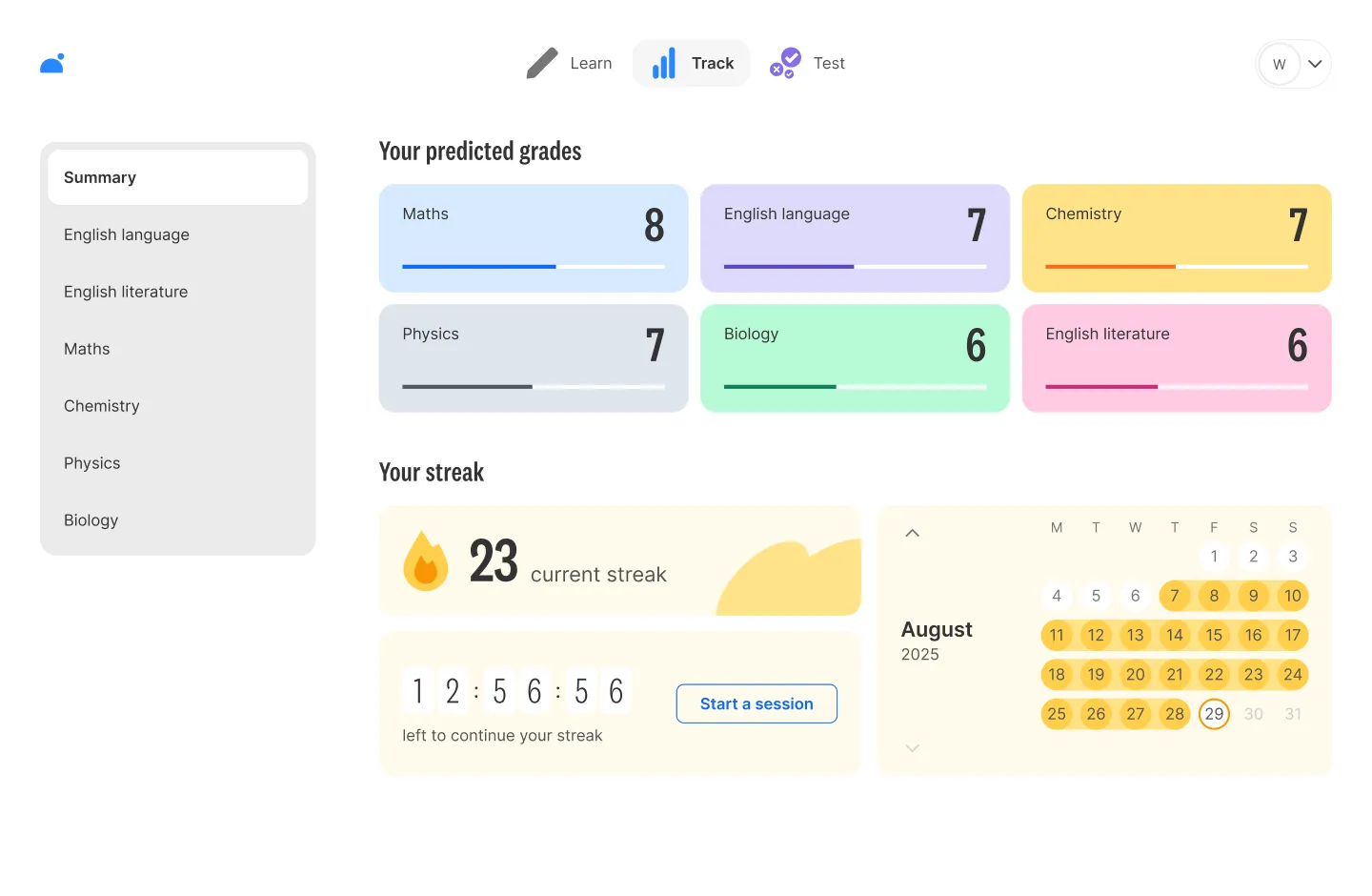
📈 Predicted GCSE grades and topic-by-topic tracking

Know where you stand and how to improve

Create your free account and start making real progress today.

Online GCSE revision

Contents