Back to blog

What last year's Year 11s say helped them prepare for their GCSEs

By
Atom
|
September 4, 2026

Every year, GCSE students say the same thing once results day is behind them: they wish they'd known earlier what actually helps. We asked the 2026 Year 11 cohort exactly that, straight after their own results came in.

Here's what they told us, alongside what 2026's national results showed, and what it means if you're getting ready for your own exams.

Key takeaways

  • What 2026's GCSE results showed nationally, including a widening gap by region and between first-time and resit students
  • What actually helped GCSE students prepare, in their own words
  • What it means for getting ready for future GCSE exams

Key trends from GCSE results day 2026

This year's national picture, in numbers:

  • Grade 7/A and above: 22% of GCSE results this year, up slightly from 21.9% in 2025
  • Grade 4/C and above (standard pass): 67.3% of results, a fraction down on 2025's 67.4%
  • Regional gap: London had the highest proportion of top grades at 28.6%, while the North East had the lowest at 17.7%
  • Resit students: entries from students aged 17 and over rose 3.7% to 500,277, now 8.1% of all GCSE entries
  • Resit pass rates: only 19.8% of English language and 15.3% of maths entries from this older group achieved a grade 4 or above

The headline numbers held steady this year. Underneath them, the gap grew wider, both by region and between students sitting an exam for the first time and those resitting it, which is one more reason it's worth getting the groundwork right the first time round.

Reading this year's results in context

Every August, results day gets covered as a single national story: pass rates up or down, regions compared, headlines written. It's worth remembering that behind each of those percentages is a huge range of individual outcomes, and no single year's national trend says much about what any one student's exams will look like.

What's more useful than the year-on-year comparison is looking at what separates students who did well from those who didn't, regardless of which way the national numbers moved. That's less about the exam board or the year group, and more about how the months before results day were actually spent.

How did results look for students preparing with Atom?

We wanted to find out how students preparing for their GCSEs did with Atom GCSE, and more importantly, what was most helpful and effective for supporting them in their revision. So we asked students directly what made a difference in the months before their exams.

One student, revising sciences alongside maths and English, told us:

"Atom Learning helped me become more confident in my schoolwork and improve my knowledge across different subjects. The regular questions and practice allowed me to identify the topics I found difficult, and it made revision feel more structured and manageable, rather than overwhelming. It also encouraged me to be more independent with my learning."

Another, who used Atom for essay planning in English, said it changed how they approached timing:

"I knew how long to spend on each question and how to structure them."

A third, who used Atom across science and maths, told us it helped them see what to expect on the day:

"It helped me practise questions and gave me an idea of what might be on the papers."

Different subjects, different starting points, but the same thread running through all of them: practice that felt like the real exam, and feedback that told them what to do with it.

Not sure where to start with revision? We've got you.

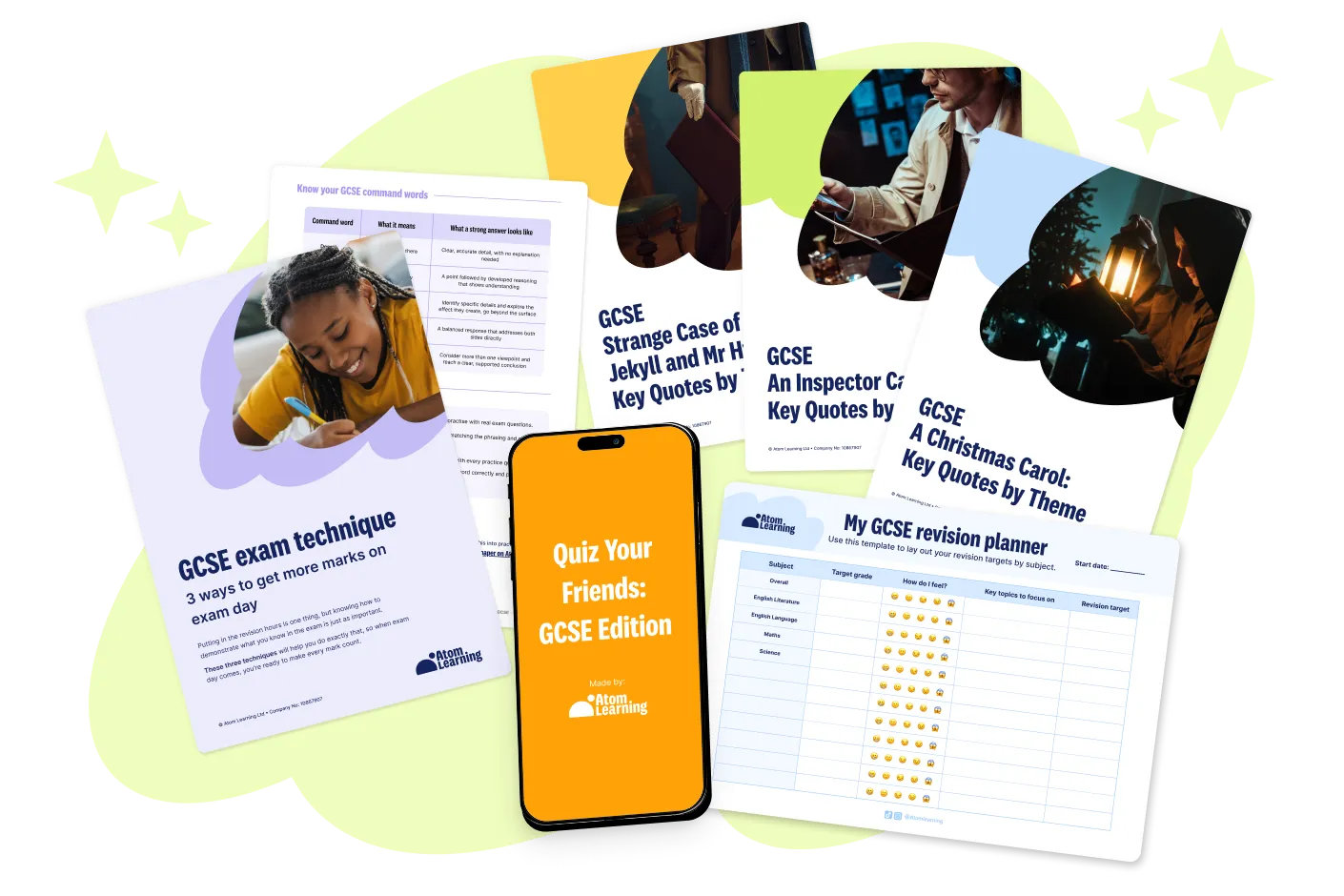
From revision planners to formula sheets, we've got the tools to make revision feel a little less daunting.

All free. All in one place.

Let's get started

The habits and tools that made the difference

Good routine matters more in Year 11 than in any year before it. There's a lot of content to cover, and building the right skills and knowledge takes consistent habits, not last-minute effort. Here are the habits and tools students told us made a real difference to their revision.

Practising with exam-board-matched papers. 

Real, exam-board-specific questions rather than generic revision, so nothing on the day feels unfamiliar. Speaking directly about Atom's practice papers, one student told us: "It helped me practise questions and gave me an idea of what might be on the papers."

Getting feedback straight away. 

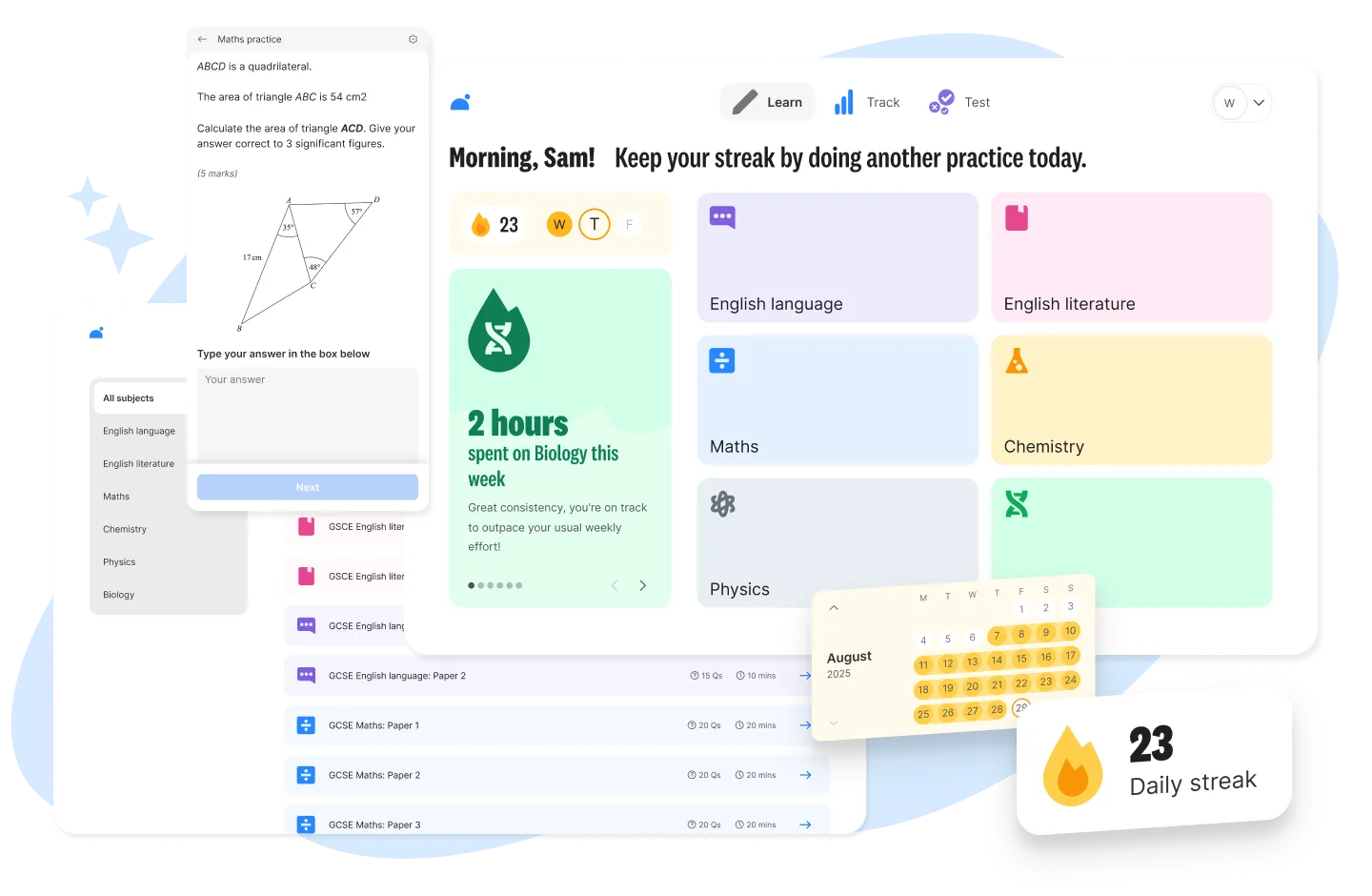
Every answer explained as soon as it's submitted, rather than waiting days to find out what went right or wrong. There's no need to mark your own work, or guess whether a self-marked practice paper was accurate, since Atom applies the same standard an examiner would every time. 

Describing Atom's instant, examiner-style feedback, another student said: "With the help of the practice questions and quick responses to my answers, it helped me achieve the grade I needed."

Tracking progress by topic. 

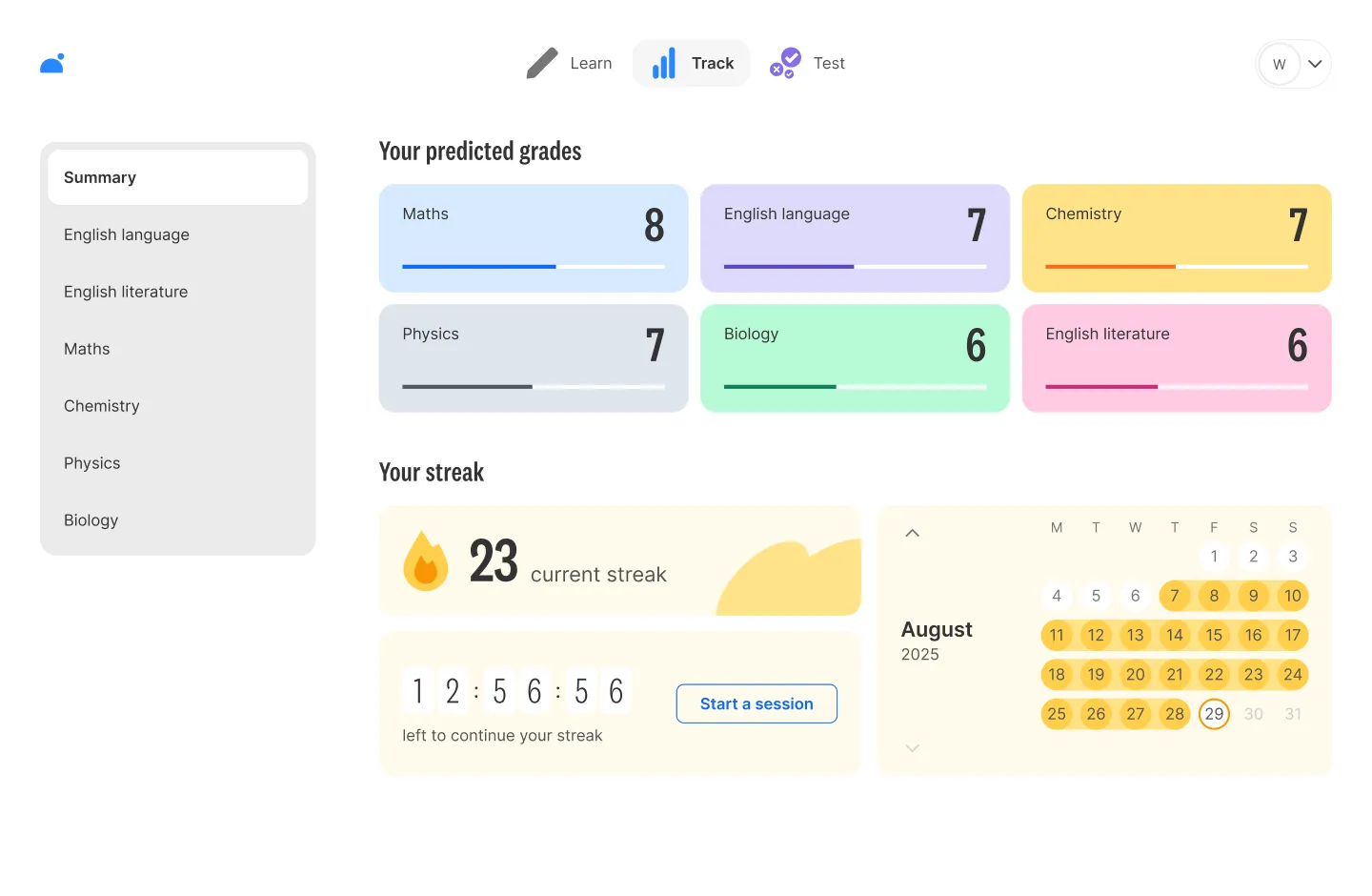
A clear view of what's strong and what needs more time, instead of revising everything at the same level. 

On Atom's topic-by-topic progress tracking, one student said it "made revision feel more structured and manageable, rather than overwhelming."

Building exam technique alongside content.

Structured sessions that cover timing and structure, not just what to know. 

Talking about Atom's guided revision courses, one student put it simply: "I knew how long to spend on each question and how to structure them."

Four habits, four different students, but the same outcome each time: less guesswork, more structure.

Little and often beats last-minute cramming

None of the students above built their results in the final few weeks. Structured practice and regular feedback work best when they're spread across the year, a little at a time, rather than crammed in right before exams.

If you want a fuller picture of what that can look like across Year 10 and Year 11, our month-by-month guide to when to start revising walks through it stage by stage, without asking you to follow it to the letter.

However this year unfolds, the sooner that little-and-often habit takes hold, the less exam season has to feel like a scramble.
No items found.
No items found.
No items found.

Take control of your GCSE revision

Everything you need for GCSE success, in one place.

Feeling confident about your GCSEs comes from knowing what to revise, how to improve, and where to focus next.

🔮 GCSE practice papers based on our team's 2026 exam predictions

🎓 Guided courses that cover all the topics on your exams

✍️ Instant feedback that tells you where you’ve gained and lost marks

📈 Predicted GCSE grades and topic-by-topic tracking

Know where you stand and how to improve

Create your free account and start making real progress today.

Online GCSE revision

Contents