GCSE grades explained: the 9 to 1 system

In England, GCSEs are graded from 9 (the highest) down to 1, with a U for "ungraded" if a paper does not reach grade 1. This guide explains how the scale works, how it compares with the old A* to G grades, and what the "standard pass" and "strong pass" mean.
This guide is written for students and the parents reading alongside them.
Key takeaways
- GCSEs in England use a 9 to 1 scale, and 9 is the top grade.
- The old A* to G grades do not match the new ones exactly, but they line up at three points.
- Grade 4 is a standard pass and grade 5 is a strong pass.
- Colleges and sixth forms set their own entry grades.
- Grade boundaries are set after marking, so they can change from year to year.
How do GCSE grades work?
GCSEs in England are graded on a 9 to 1 scale, where 9 is the highest grade and 1 is the lowest. A paper that does not reach grade 1 gets a U, which means ungraded.
This system started in 2017 and replaced the old A* to G letters. Each grade covers a range of marks, and you get the grade whose range your total falls into.
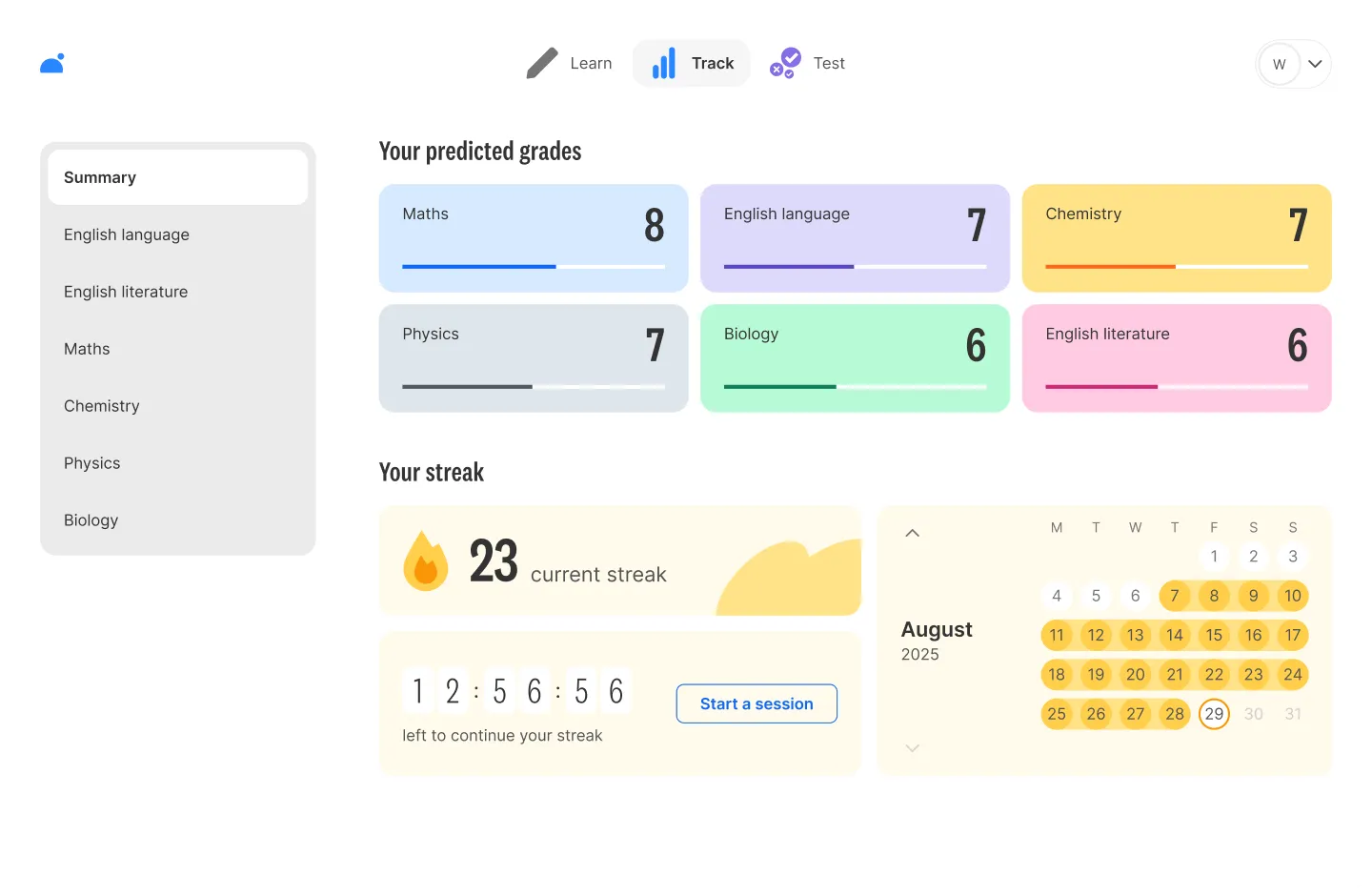
Your teachers may also talk about "predicted grades". These are an estimate from your school of the grade you are on track for. Our guide to GCSE predicted grades explains how they work.
What is the highest GCSE grade?
The highest GCSE grade is 9. The Department for Education says grade 9 is awarded to fewer students than the old A* was. The scale has more steps at the top so that exam boards can tell apart students who are doing very well.
Grades 7, 8 and 9 together are equivalent to the old grades A and A*. A 7 is a strong result, and an 8 or a 9 is a rarer one.
How do 9 to 1 grades compare with A* to G?
The two scales are not directly equivalent, but they line up at three points. Here is how they match:
| New grade | How it lines up with the old scale |
|---|---|
| 9, 8 | Together with 7, equivalent to the old A and A* |
| 7 | The bottom of grade 7 lines up with the bottom of the old grade A |
| 4 | The bottom of grade 4 lines up with the bottom of the old grade C |
| 1 | The bottom of grade 1 lines up with the bottom of the old grade G |
| U | Ungraded |
The scales have different numbers of grades, so you cannot swap each number for a letter. If an older document asks for a grade C, a grade 4 is the grade that fills the same role today.
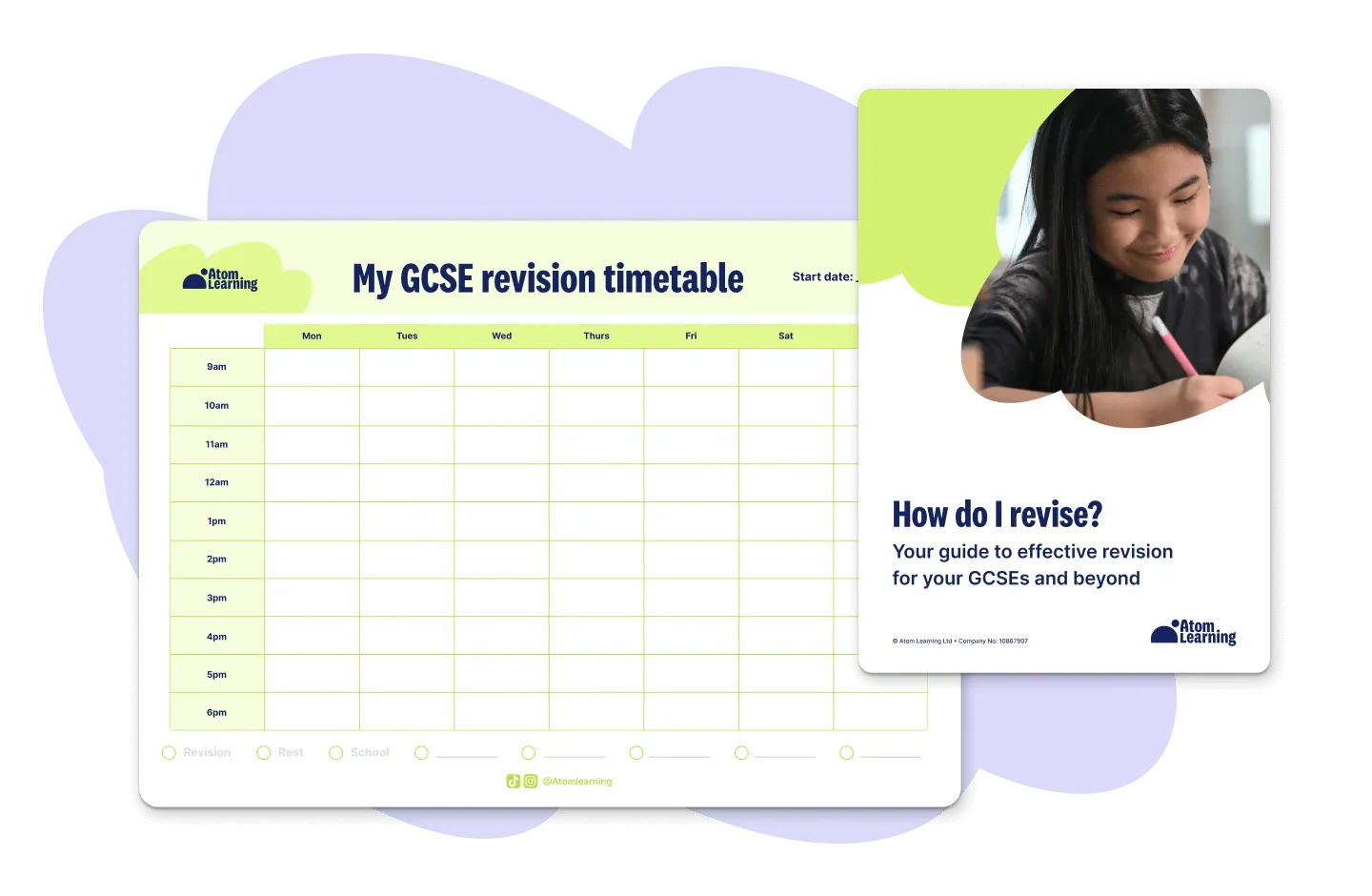
Download your free GCSE revision planner
Less stress, more success! Get your free GCSE revision planner and our handy guide to effective revision today.

What is a pass at GCSE: grade 4 or 5?
Grade 4 is a standard pass, and grade 5 is a strong pass. Both terms come from the Department for Education (DfE).
The DfE recognises grade 4 and above as a standard pass in all subjects. It recognises grade 5 and above in English or maths as a strong pass, and uses this in its headline school performance measure. So these are labels the government uses. They are not extra grades.
If you want the full picture on grade 4 and what it means for sixth form, college and work, read our guide to whether a grade 4 is a pass at GCSE.
A grade below 4 means you have not reached that point on the scale yet. There are clear next steps, which we cover below.
What grades do you need for sixth form and college?
Each sixth form and college sets its own entry grades, so there is no single answer. Course pages list what each one asks for, and some ask for a particular grade in the subject you want to study.
English and maths have a rule that applies nationally. If you get a grade 4 or above, the requirement is met. If you get a grade 3, full-time students must keep studying towards a GCSE in that subject. If you get a grade 2 or lower, you can work towards a GCSE or a Functional Skills level 2 qualification. Colleges decide whether to enter students for a resit.
How are grade boundaries set?
Grade boundaries are set after the exams, once marking is nearly finished. They are the mark totals that separate one grade from the next.
Exam boards set them. Senior examiners look at student work near each boundary and compare it with work from earlier years. This is to make sure a grade means the same thing from one year to the next.
Boundaries change each year because papers vary slightly in difficulty. A higher boundary means the paper was easier, and a lower boundary means it was harder. It does not mean the grade became harder to get. There are no quotas for how many students get each grade.
For more on how this works, see how GCSEs are graded and how GCSE grade boundaries are decided.
How to improve your grades
Small habits add up across a year. Here are four that work for most subjects:
- Start with the mark scheme. It shows what an examiner is looking for in each answer, so you can see what earns marks.
- Practice real questions. Past papers help you get used to the wording and timing. Our guide to using GCSE past papers shows how.
- Plan your time. A realistic timetable beats a perfect one you cannot keep. Try our GCSE revision timetable guide.
- Ask about gaps. If a topic keeps tripping you up, tell your teacher early.
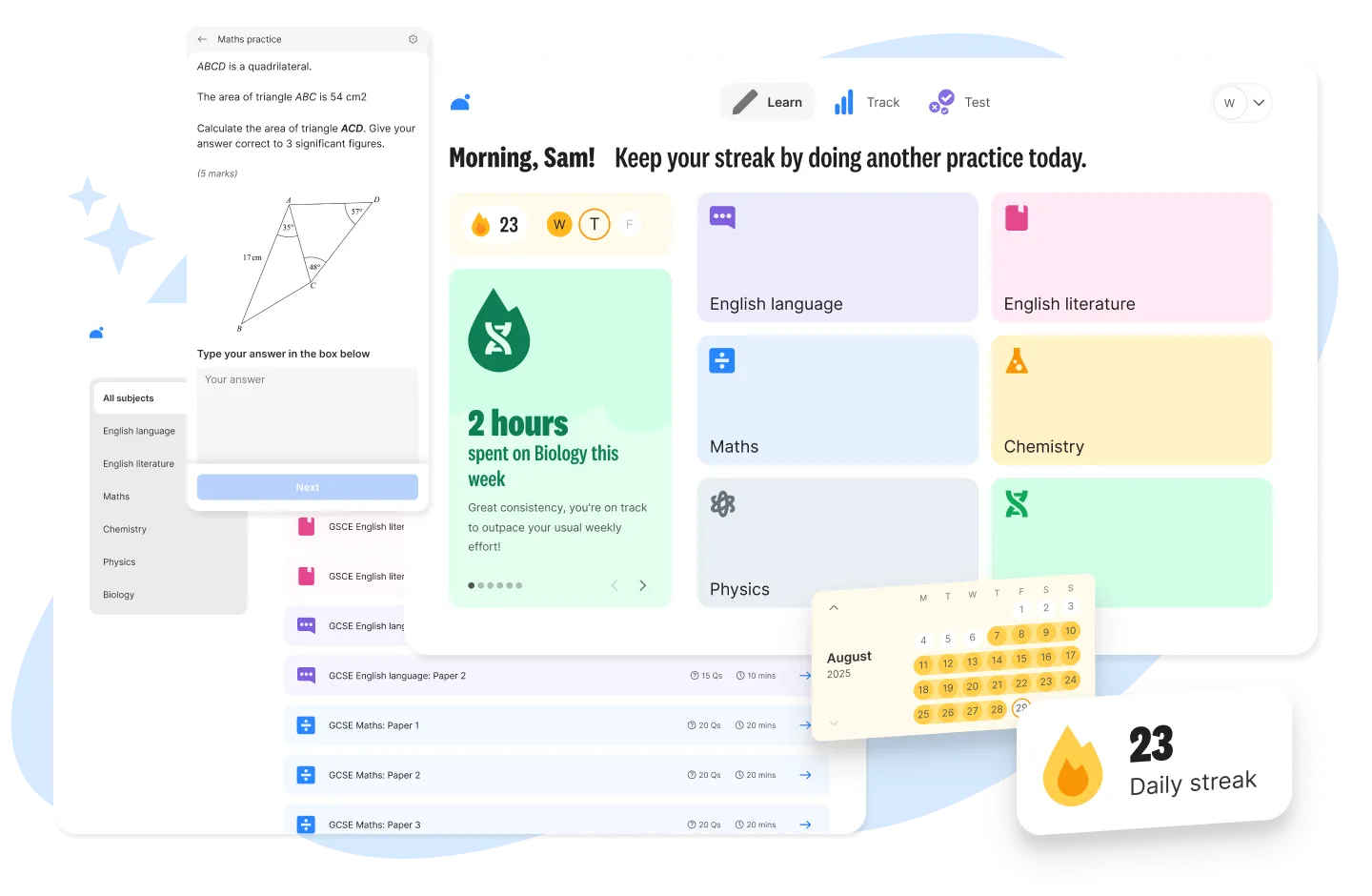
Top tip: Atom’s GCSE platform has past and practice papers for your exam board, guided courses and instant examiner-style feedback, with your progress tracked across every topic. That makes it easier to see which topics to work on next.
A grade only reflects how one set of exams went on the day, and what you do next matters far more.
Take control of your GCSE revision

Everything you need for GCSE success, in one place.
Feeling confident about your GCSEs comes from knowing what to revise, how to improve, and where to focus next.
🔮 GCSE practice papers based on our team's 2026 exam predictions
🎓 Guided courses that cover all the topics on your exams
✍️ Instant feedback that tells you where you’ve gained and lost marks
📈 Predicted GCSE grades and topic-by-topic tracking
Create your free account and start making real progress today.